Iqaluit is the capital of Nunavut, Canada's largest territory by area, situated at the head of Frobisher Bay on Baffin Island. A city of approximately 8,000 people, it is the smallest territorial or provincial capital in Canada and one of the most remote — there are no roads connecting Iqaluit to the rest of the country, and all goods, including food, arrive by air or by sea barge in the summer shipping season. The cost of living is among the highest in Canada as a result, and a visit here requires planning, expense, and a genuine desire to understand the territory rather than a casual tourist impulse.
What Iqaluit offers that no other Canadian city can provide is immediacy of the Arctic: the tundra begins at the edge of the city, the sea ice fills Frobisher Bay for eight months of the year, the Inuit cultural presence is pervasive and active rather than historical, and the night sky in fall and winter produces aurora borealis on a comparable scale to Yellowknife. The art produced in Iqaluit and across Nunavut — printmaking, sculpture, textiles — is some of the most significant in the country.
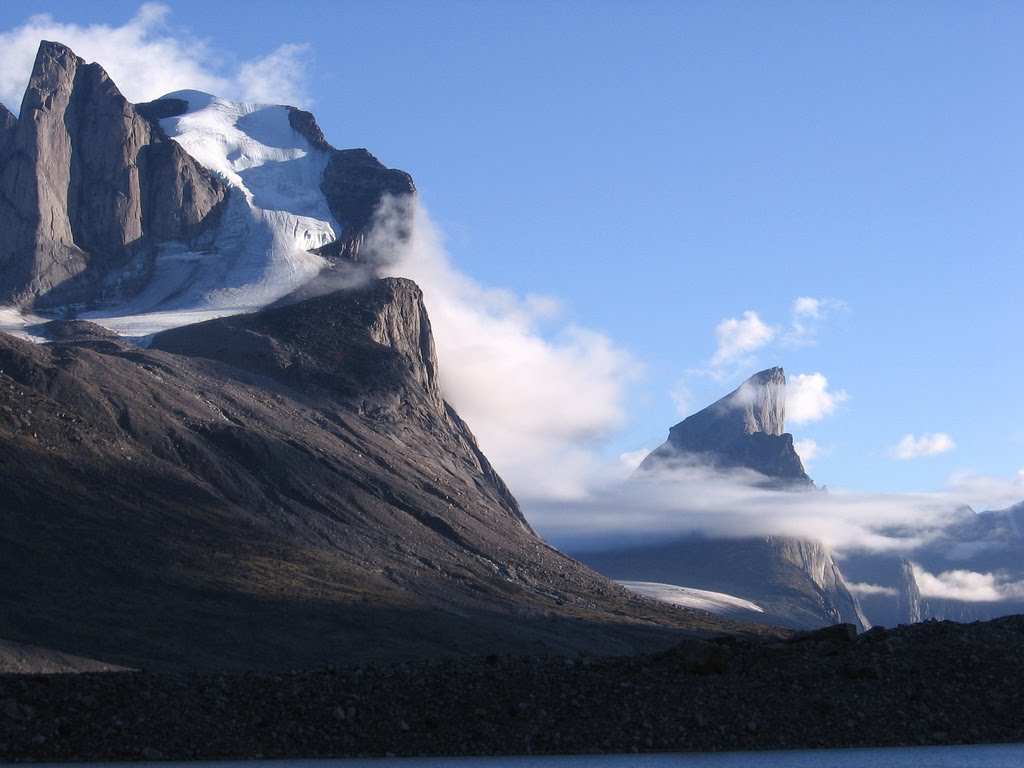
Sylvia Grinnell Territorial Park
Sylvia Grinnell Territorial Park is a tundra park within walking distance of Iqaluit's downtown, traversed by the Sylvia Grinnell River as it reaches Frobisher Bay. The park provides immediate access to the Arctic tundra landscape without requiring an expedition — the vegetation, the exposed bedrock, the river valley, and the Arctic wildlife (Arctic hares, ptarmigan, caribou in migration season) are all accessible within a few kilometres of the city centre. The river runs clear and fast from snowmelt through to freeze-up, and Arctic char fishing is permitted with a Nunavut fishing licence.
The park is accessible on foot from the city and there are no maintained trails — routes follow the river valley and the ridgelines above. The tundra surface is wet in summer (permafrost prevents drainage) and requires waterproof footwear. The views from the ridgelines above the park look across Frobisher Bay toward the Meta Incognita Peninsula — expansive, horizontal tundra and sea ice in a landscape that makes the concept of wilderness legible.
Unikkaarvik Visitor Centre
The Unikkaarvik Visitor Centre (the name means 'a place to tell stories' in Inuktitut) is the primary visitor information facility for Iqaluit and Nunavut, and it houses introductory exhibits on Inuit culture and the territory's geography and history. The centre is staffed by Inuit guides who can provide context for what visitors are likely to encounter and answer questions about the community, the land, and the cultural protocols that apply to visitors in Nunavut. It's the most important first stop for any visitor to Iqaluit.
The centre can also help connect visitors with local guide services, cultural demonstrations, and community events. Iqaluit's Inuit cultural events — drum dances, throat singing performances, community feasts — are not scheduled tourist performances but community events that are sometimes open to respectful visitors. The centre staff can advise on what's currently appropriate for outsiders to attend.
Inuit Art in Iqaluit
Iqaluit has several commercial galleries and studios where Inuit art is sold, and the quality and range of work reflects the living artistic tradition of Nunavut's communities. The Nunatta Sunakkutaangit Museum holds a collection of historical and contemporary Inuit art and artifacts including tools, clothing, and works on paper. The Northern Store and several independent galleries handle artwork from carvers across Baffin Island whose stone, bone, and antler sculpture represents one of the most distinct artistic traditions in Canada.
Purchasing directly from artists or through Inuit-owned cooperative galleries ensures the economic benefit reaches the community. The Cape Dorset (Kinngait) printmaking tradition — producing prints since 1959 through the West Baffin Eskimo Co-operative — is the most internationally recognised Nunavut art form; original annual collection prints are sold through authorised dealers including several Iqaluit galleries.
Frobisher Bay Sea Ice
Frobisher Bay freezes completely from approximately November through late June, creating a vast flat surface of sea ice that serves as travel surface, hunting ground, and recreational space for Iqaluit residents. The ice road to Apex, the adjacent community, operates across the bay in winter. The experience of standing on the bay ice — with pressure ridges, seal breathing holes, and the Arctic sky overhead — is fundamental to understanding the Inuit relationship with the sea. Visitors can access the ice from the shoreline below the city during the winter season.
Floe edge tours — expeditions to the open water at the edge of the sea ice, where marine mammals and sea birds concentrate — operate from Iqaluit in May and early June and represent the most dramatic wildlife viewing available in the eastern Arctic. Polar bears, narwhal, beluga, and walrus are all possible at the floe edge. These tours require significant expense and advance booking with licensed outfitters.
Getting to Iqaluit
Iqaluit Airport (YFB) is served daily by Air Canada and Canadian North from Ottawa and Montreal. Flights from southern Canada typically route through Ottawa. There are no roads to Iqaluit — all access is by air or summer sea barge. Accommodation in Iqaluit is limited and expensive; book well ahead. A visit to Nunavut requires logistical planning beyond a typical Canadian trip.
Share your Iqaluit experience
Powered by TravelGuide Comments — share your thoughts on each attraction above.