Top Attractions
4 Must-See Places Must-See Places
Aurora Borealis, Yellowknife
Yellowknife sits directly under the auroral oval, making it one of the most reliable aurora-viewing locations on Earth. From mid-August through mid-April, the northern lights appear on the majority of clear nights. Professional aurora tours run nightly from October through March with heated viewing facilities and photography guidance.
Nahanni National Park Reserve
One of the most remote and spectacular wilderness parks in Canada — the South Nahanni River cuts through limestone canyons deeper than the Grand Canyon, ending at Virginia Falls, nearly twice the height of Niagara Falls. Access is by floatplane from Fort Simpson or Fort Liard. A rafting journey through Nahanni is among the great wilderness adventures in North America.
Great Slave Lake & Ice Roads
Great Slave Lake is the deepest lake in North America at 614 metres, and in winter the ice road that crosses it from Yellowknife to Dettah provides access to the lake surface and spectacular views of the aurora reflected in the snow. The Prince of Wales Northern Heritage Centre in Yellowknife interprets 25,000 years of NWT history and Dene culture.
Mackenzie River Delta
The Mackenzie River delta on the Beaufort Sea coast is one of the largest river deltas in the world and a critical habitat for millions of migratory waterfowl. The Delta and the area around Inuvik are at the end of the Dempster Highway — one of Canada's most remarkable drives, crossing the Arctic Circle through subarctic tundra.
Northwest Territories Travel Guides
Chasing the Northern Lights in Yellowknife
When to go, where to watch, how to photograph the aurora, and what else to do in Canada's diamond capital.
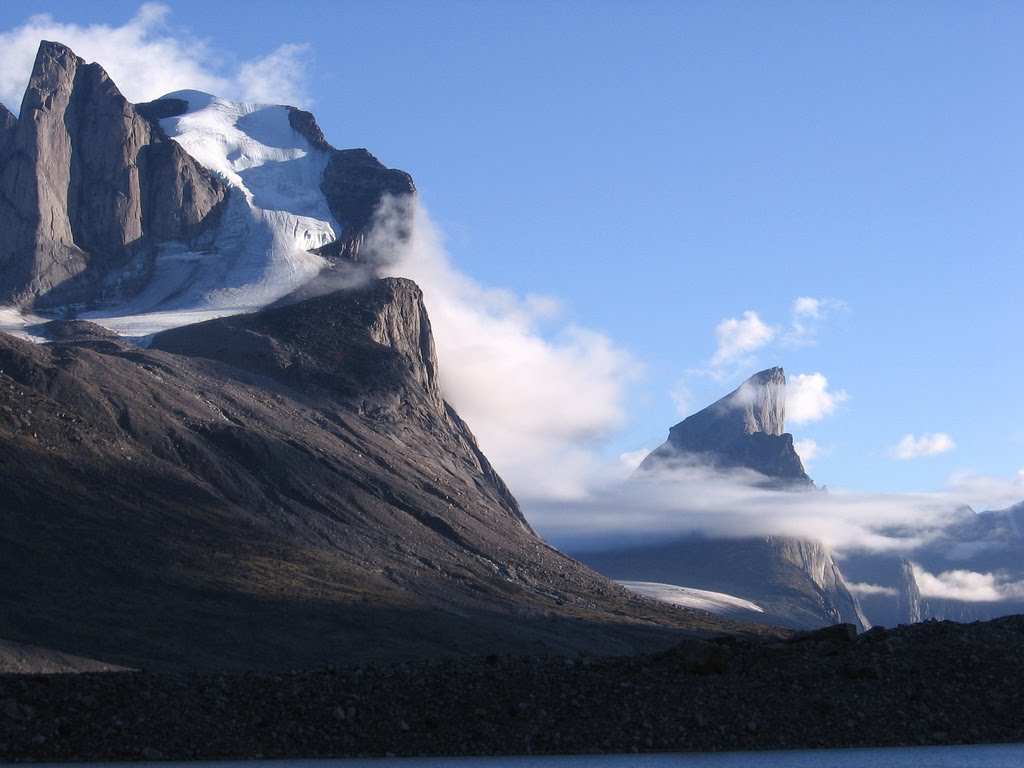
Baffin Island: Planning an Arctic Adventure
Auyuittuq National Park, polar bears, midnight sun — one of Canada's last true wildernesses.
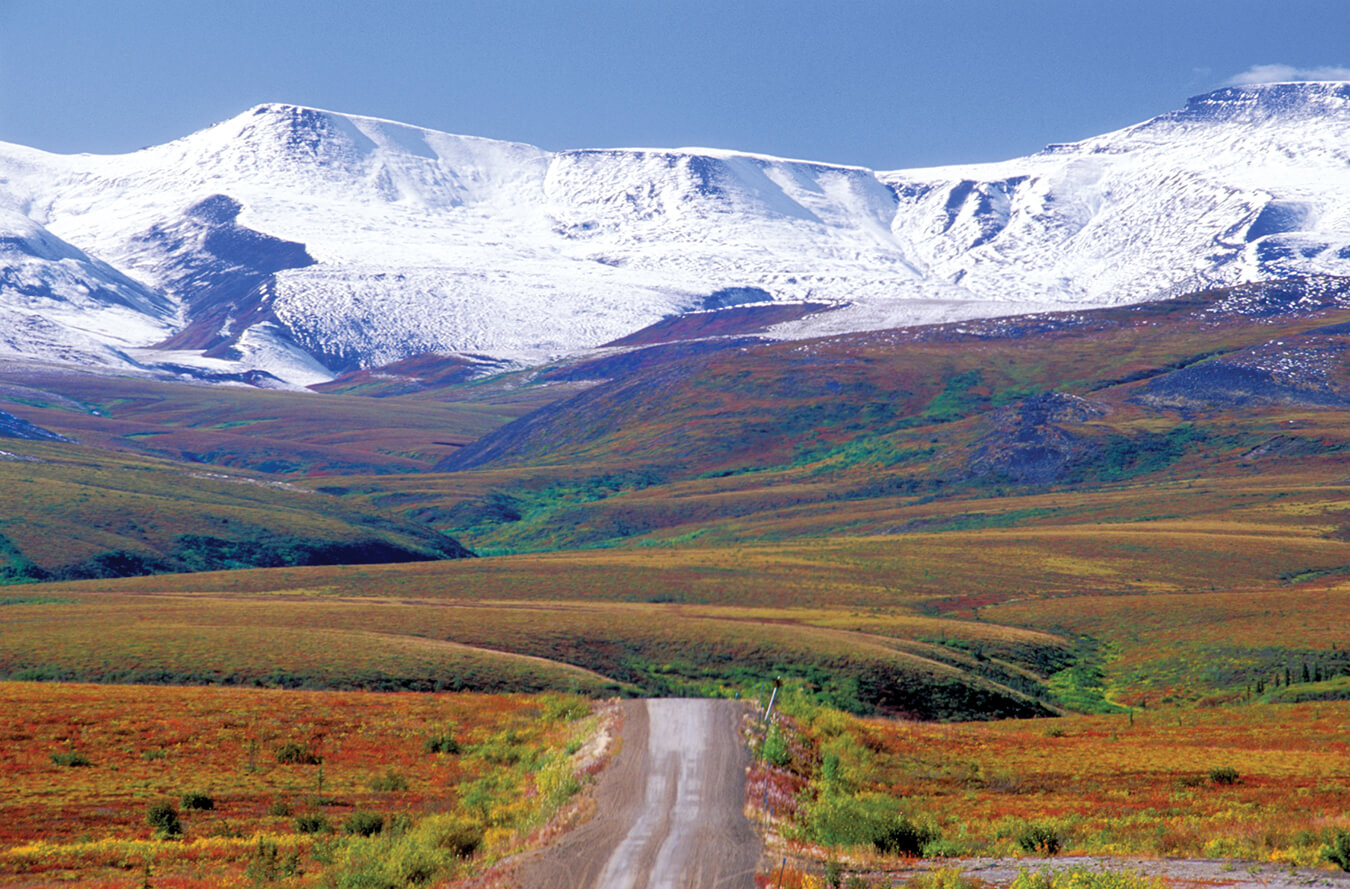
The Yukon Gold Rush and Dawson City
The Klondike Gold Rush shaped Canada. The Chilkoot Trail is one of the most historically immersive hikes on the continent.
Share Your Northwest Territories Experience