Top Attractions
4 Must-See Places Must-See Places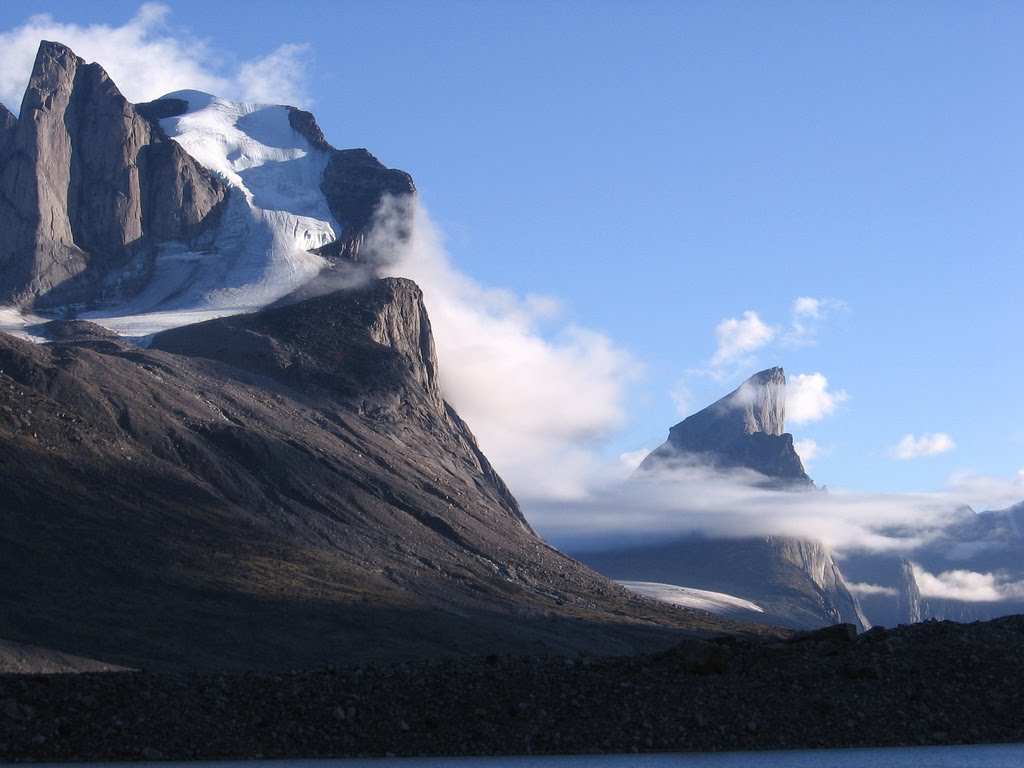
Auyuittuq National Park
One of the most remote parks in the world — the Akshayuk Pass trail runs 97 kilometres through an Arctic valley between 2,000-metre granite walls, past glaciers flowing from the Penny Ice Cap, to reach Mount Thor, site of the world's greatest vertical cliff drop at 1,250 metres. Access is via Pangnirtung, a Inuit community at the base of the park fiord.
Iqaluit
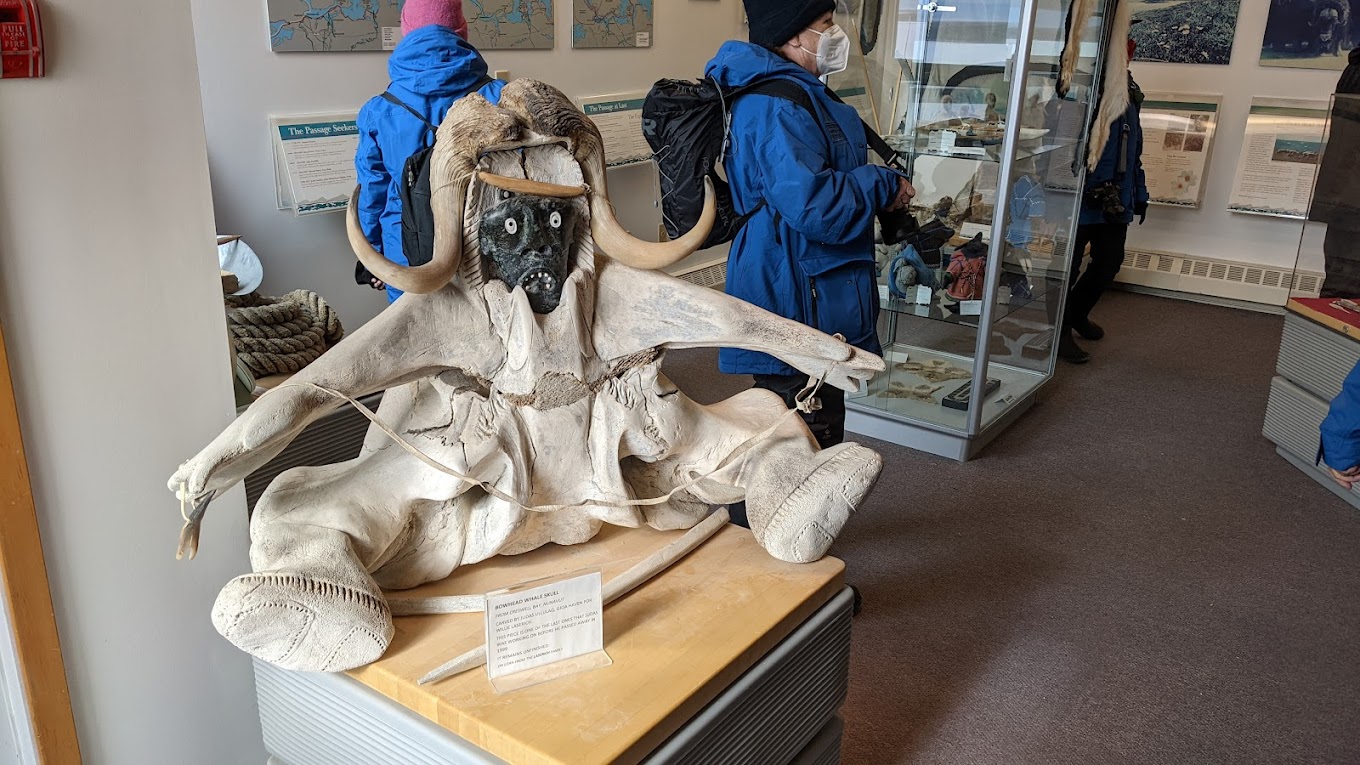
Canada's newest capital city (Nunavut became a territory in 1999) sits on Frobisher Bay on Baffin Island's southern coast, with a small but growing service infrastructure for Arctic visitors. The Nunatta Sunakkutaangit Museum has the finest collection of contemporary Inuit art accessible to general visitors in the territory.
Sirmilik National Park
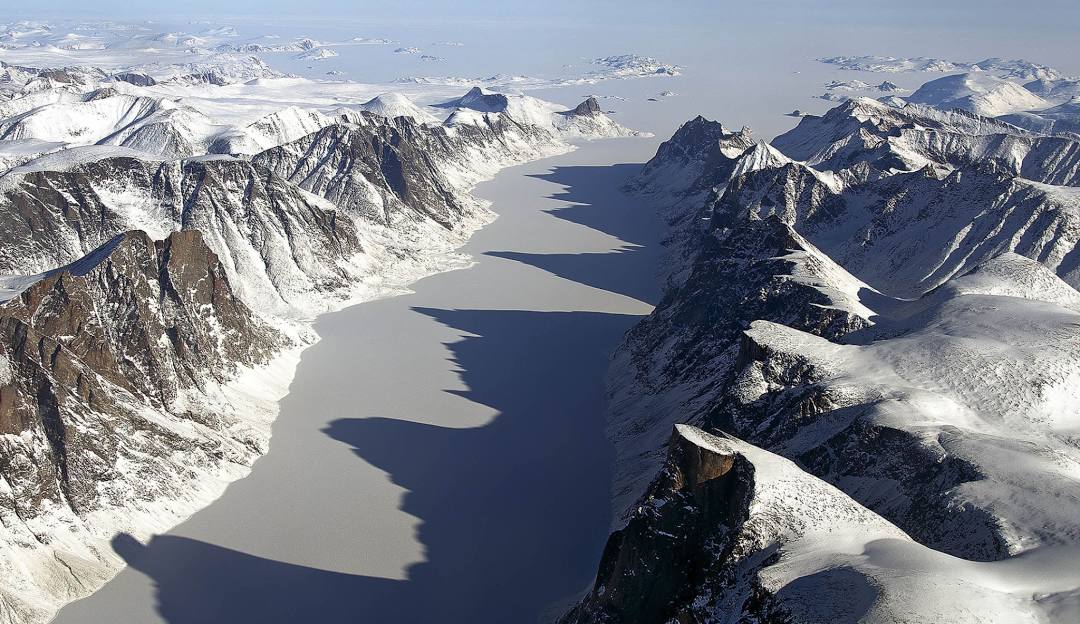
On the northern tip of Baffin Island, Sirmilik protects Bylot Island — one of the most significant seabird nesting areas in North America, with hundreds of thousands of thick-billed murres, northern fulmars, and black-legged kittiwakes on the coastal cliffs. Polar bears, walrus, narwhal and beluga whales are all present in the surrounding waters.
Midnight Sun & Arctic Light
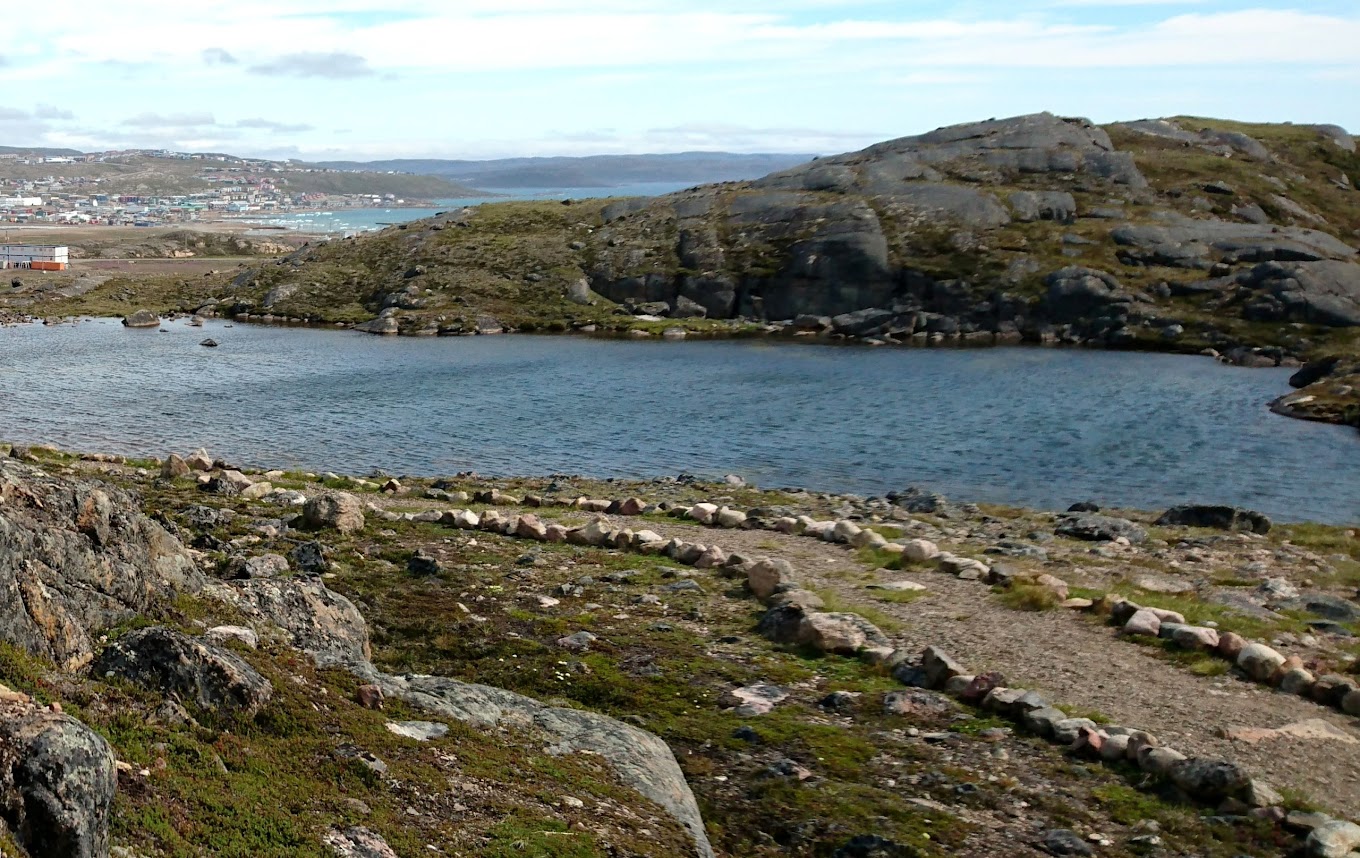
In June and July, the sun does not set at Nunavut's latitudes — the midnight sun creates a 24-hour day that, once experienced, profoundly alters your sense of time. The quality of Arctic light at midnight, with the sun low on the horizon casting long shadows across tundra and ice, is unlike anything available at southern latitudes.
Nunavut Travel Guides
Baffin Island: Planning an Arctic Adventure
One of Canada's last true wildernesses — how to plan the expedition to Auyuittuq and Baffin Island.
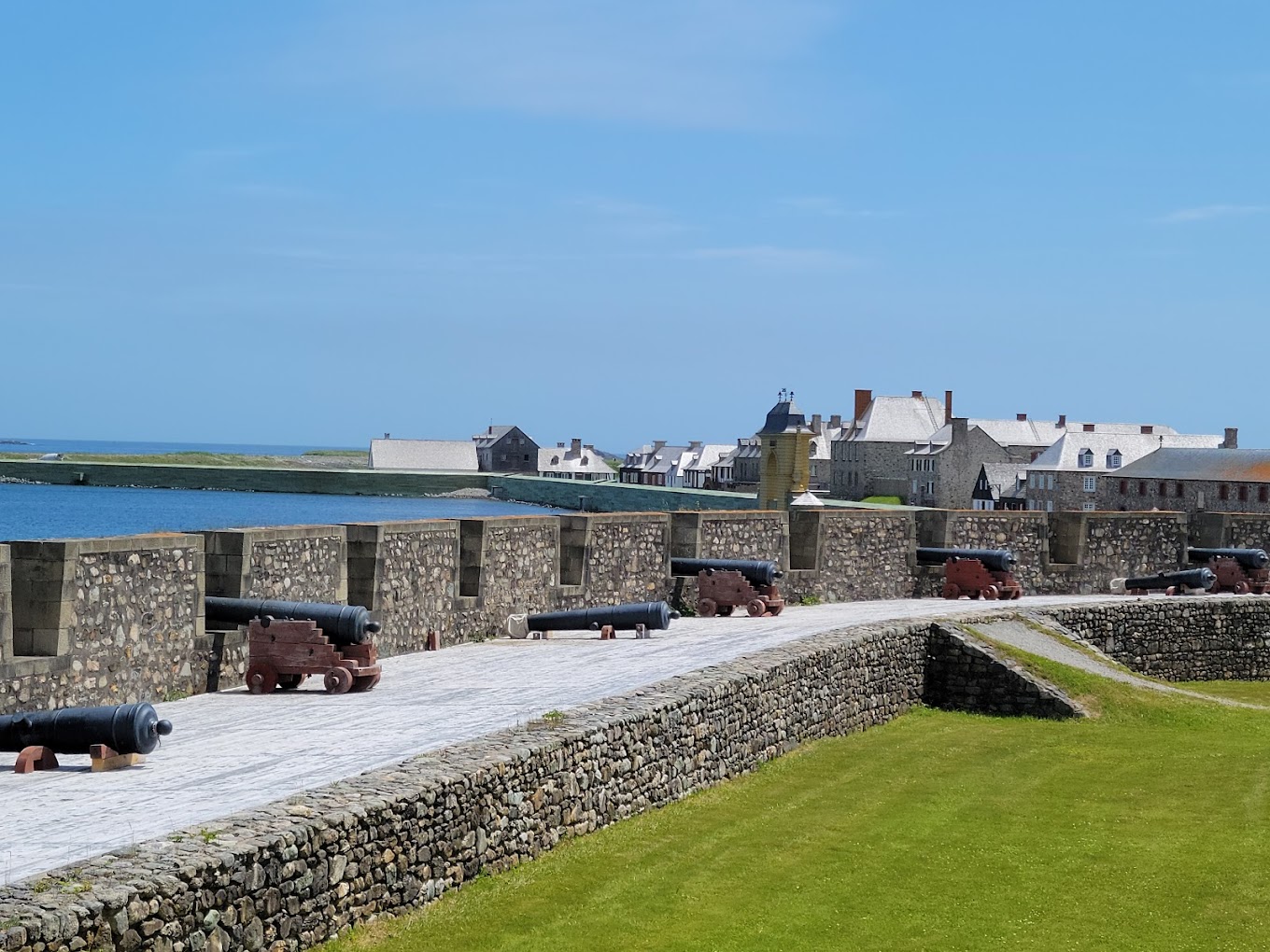
Northern Lights in Yellowknife
For reliable aurora viewing, Yellowknife in the NWT is among the best locations in the world.
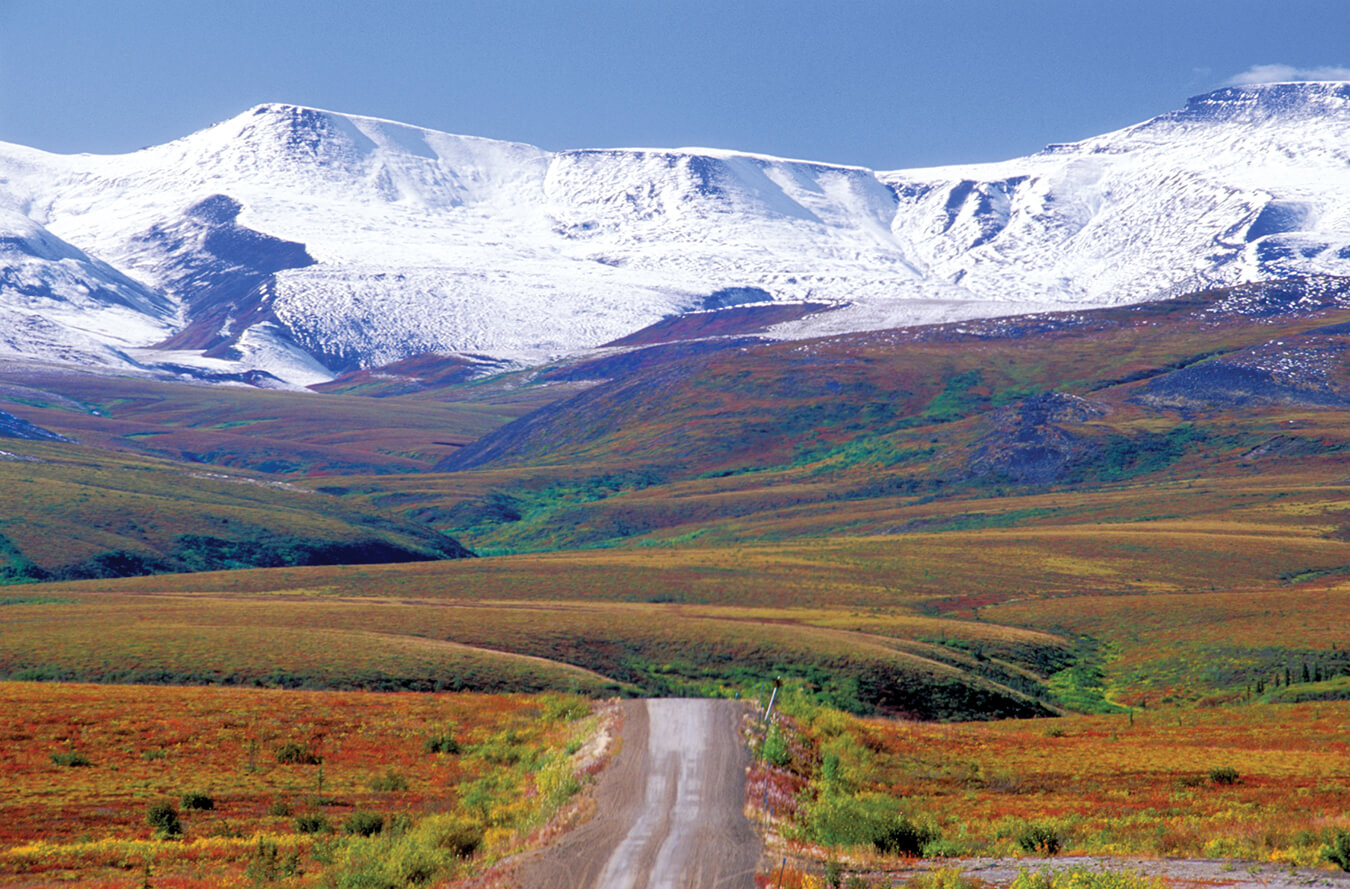
Yukon Gold Rush and Dawson City
The Klondike Gold Rush that built the Yukon — trails, history and Dawson City.
Share Your Nunavut Experience