Kingston sits at the eastern end of Lake Ontario where the lake narrows into the St. Lawrence River, at the point where the Rideau Canal reaches the river from Ottawa. The combination of these waterways made it one of the most strategically significant sites in 19th-century North America, and Kingston's built heritage reflects that military and commercial importance. The downtown core contains one of the highest concentrations of 19th-century limestone architecture in Canada — buildings cut from the same Kingston limestone that appears in the harbour cliffs, giving the city a unified, almost monochrome quality in overcast light.
Queen's University anchors the eastern residential neighbourhoods and gives the city a year-round student population that keeps the restaurant and bar scene active. The Thousand Islands begin just downstream — over 1,800 islands spread across 80 kilometres of the St. Lawrence, ranging from tiny rock outcrops barely above water to islands large enough to contain mansions, castles, and villages.
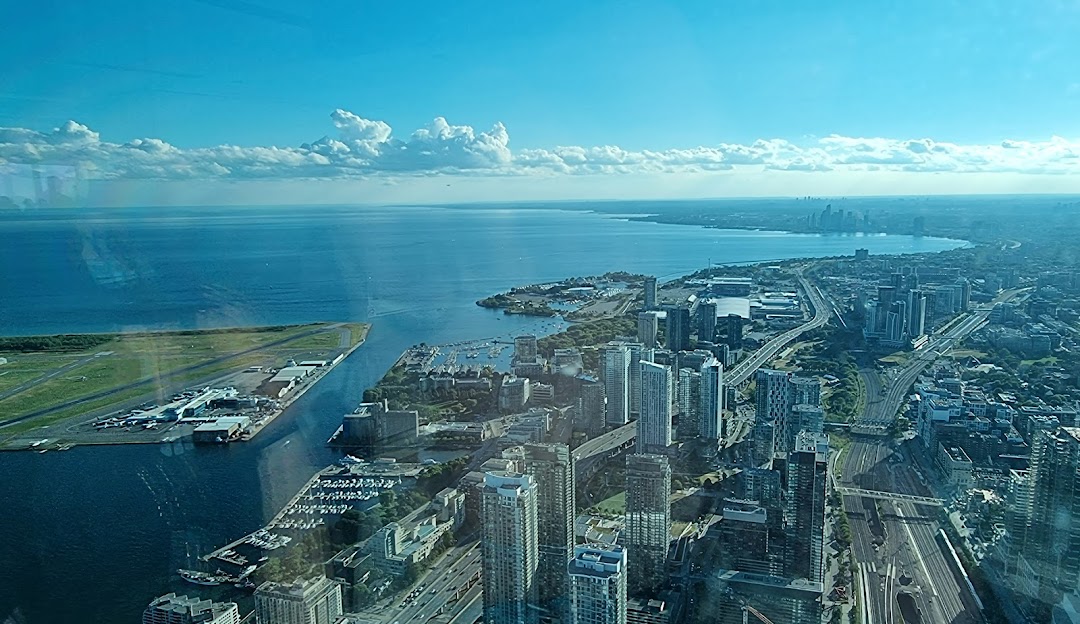
Fort Henry
Fort Henry is a restored British fortification built in the 1830s to defend the Rideau Canal terminus and the Kingston naval base. It's one of the largest and best-preserved 19th-century military installations in Canada. The fort was never attacked and was garrisoned by the British and then the Canadian army intermittently until 1891; the current restoration represents its 1867 Confederation period appearance. The Fort Henry Guard performs drills, rifle demonstrations, and cannon firings in period uniform throughout the summer.
The Sunset Ceremonies on Wednesday and Saturday evenings in July and August are the most theatrical presentation — artillery, a brass band, precision drill, and torch-lit atmosphere in the fort's main square. General admission includes the self-guided interior tour; the guided tours add significant context. The Fort is on a hill east of downtown with views over the city, the Cataraqui River, and the beginning of the Thousand Islands. UNESCO World Heritage designation is shared with the Rideau Canal.
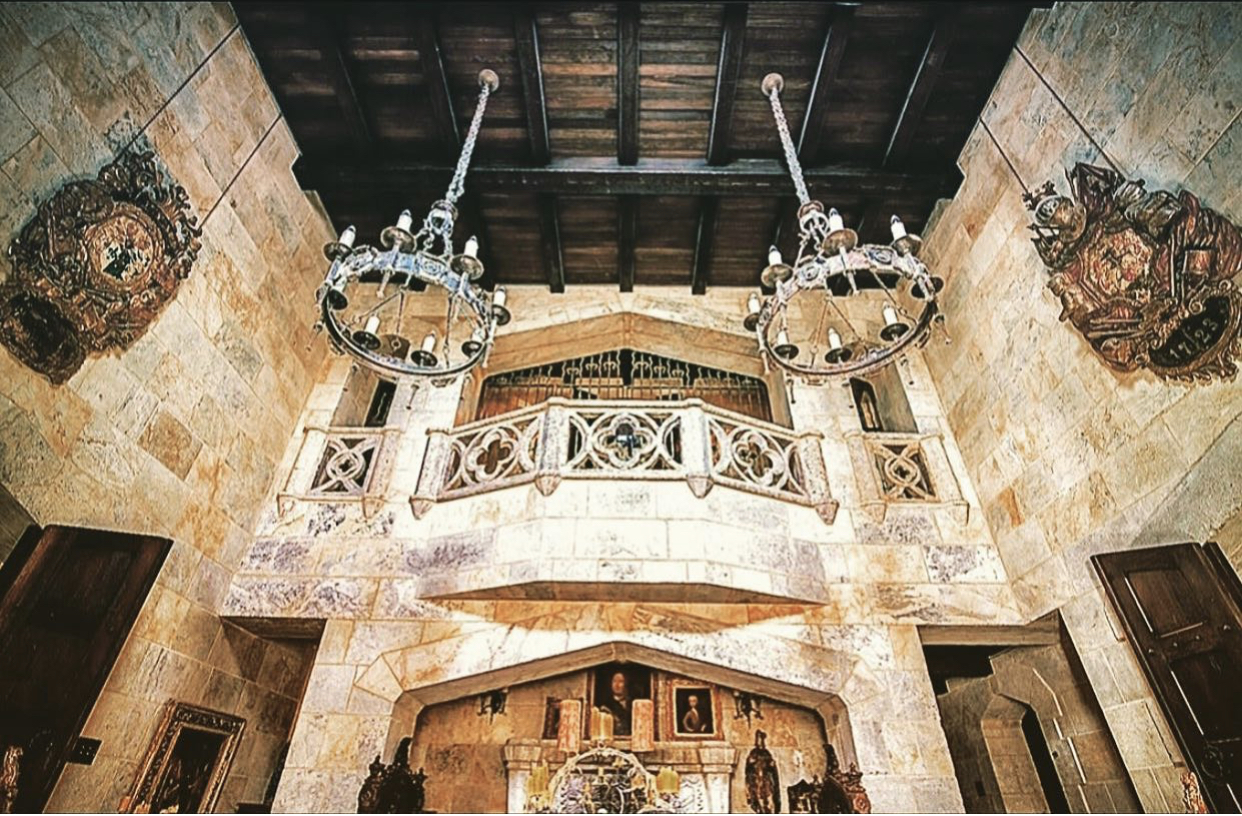
Thousand Islands Boat Tours
The Thousand Islands is an archipelago of 1,864 islands (by the official count, which requires an island to have at least one tree and be above water year-round) stretching from Kingston east through Brockville along the St. Lawrence River. The islands vary from tiny granite outcrops a few metres across to islands several kilometres long, and they're dotted with cottages, Victorian summer homes, and the occasional genuinely grand estate. The most famous structure in the archipelago is Boldt Castle on Heart Island, built by hotel magnate George Boldt as a Valentine's Day gift for his wife — construction was abandoned mid-build when she died in 1904.
Kingston's 1000 Islands Cruises operates several boat tour options from the downtown waterfront. The basic 90-minute tour covers the western end of the archipelago and gives the essential orientation. Longer tours reach Boldt Castle (you can disembark for an additional fee) and the American-side islands. The fall colour on the maple and oak trees of the islands, typically peaking in early October, makes autumn one of the best times for a cruise.
Kingston Penitentiary
Kingston Penitentiary opened in 1835 and operated as a federal maximum-security prison until 2013, making it one of the oldest and longest-operating prisons in Canada. It held some of the country's most notorious criminals and was the site of two significant inmate riots. Since its closure, the Kingston 1000 Islands Boat Cruise company has been operating guided tours of the interior — cell blocks, the dome, segregation units, the yard, and the chapel.
The tours are genuinely compelling in a way that sanitised heritage sites are not. The scale of the cell blocks, the institutional grimness of the segregation unit, and the guide's account of daily prison life over 178 years create a visceral understanding of incarceration that is difficult to achieve through photographs or text. The tours run from May through October and book up well in advance.
Kingston Historic Downtown
Kingston's historic core runs along Princess Street and the blocks between City Hall and the waterfront. The City Hall itself — a Neoclassical limestone building completed in 1844 and designed by the same architect as the Customs House in Saint John — faces the market square where a weekly farmers' market operates on Tuesdays and Saturdays from spring through fall. The surrounding blocks contain the most intact 19th-century commercial streetscape in Ontario outside of older Toronto neighbourhoods.
The Confederation Place hotel occupies a restored historic building on Ontario Street. The Tir nan Og Irish pub and the Merchant Tap House are the most popular evening spots. The Kingston Public Market is one of the oldest continuously operating public markets in Canada. The walking tour offered by Kingston Tourism (self-guided map available at the visitor centre) covers 40 buildings of architectural and historical significance in about two hours.
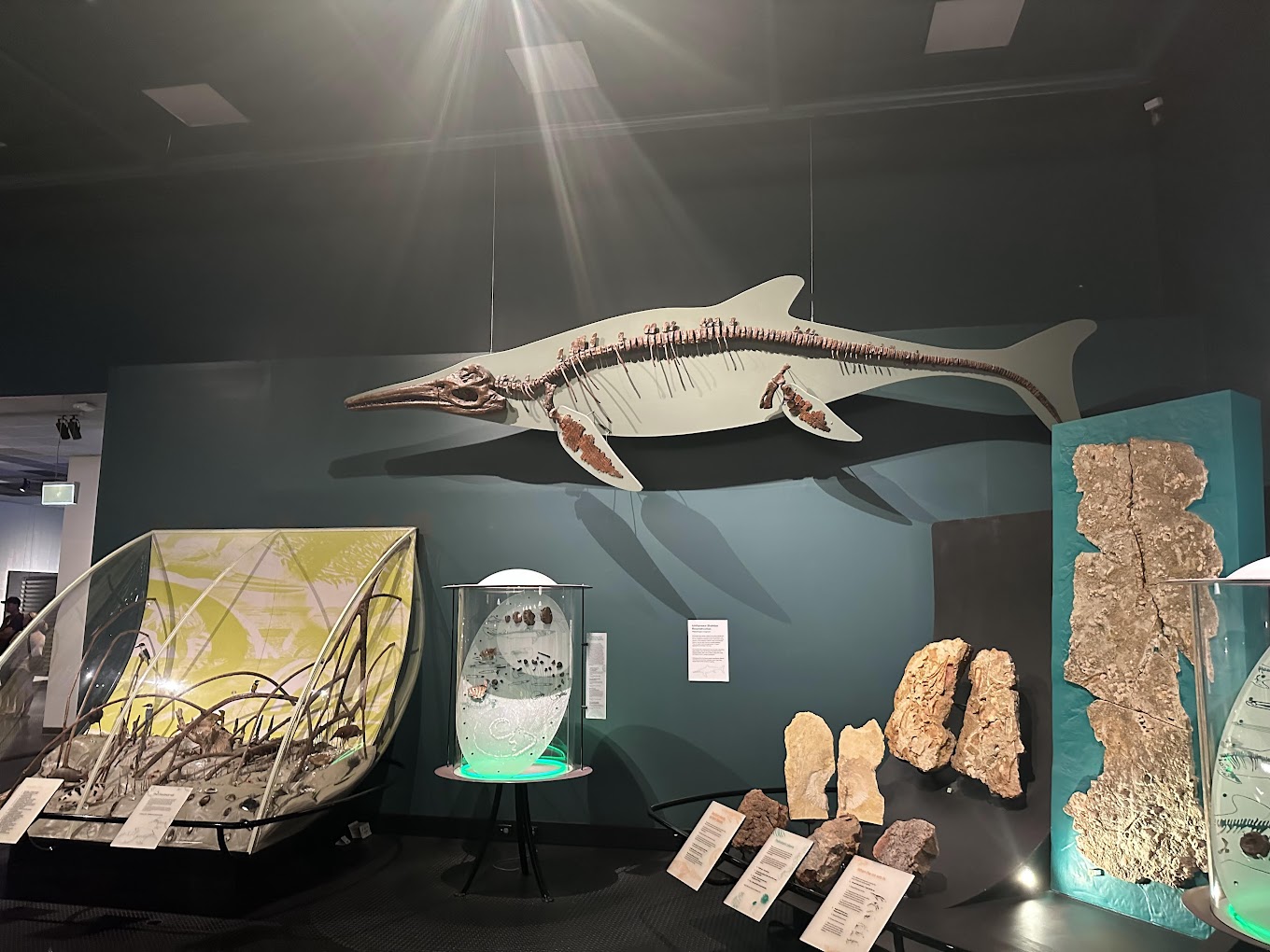
Agnes Etherington Art Centre
The Agnes Etherington Art Centre at Queen's University holds a collection of over 14,000 works with particular strength in European old master paintings (a significant holding acquired through the university over 150 years), African art, and Canadian contemporary work. The collection includes significant paintings by Flemish masters that would be headline works in any national museum. Admission is free, which makes the quality of the collection an ongoing pleasant surprise for visitors who arrive without expectations.
The African art collection includes masks, textiles, and ritual objects from across the continent gathered through research relationships over decades. The contemporary Canadian gallery changes regularly. The gallery is on campus, a short walk east of the downtown core.
Getting to Kingston
Kingston is 265 kilometres from Toronto via the 401 highway, approximately 2.5 hours by car. VIA Rail connects Toronto and Kingston several times daily; the trip takes about 2.5 hours. GO Transit does not currently serve Kingston. Greyhound and other intercity buses run from Toronto and Ottawa. Kingston Transit provides local bus service within the city.
Share your Kingston experience
Powered by TravelGuide Comments — share your thoughts on each attraction above.