Victoria sits at the southern tip of Vancouver Island, 110 kilometres by ferry from Vancouver, and has a character completely different from the mainland city. It's smaller (population 400,000 in the metro area), slower-paced, and heavily influenced by its Victorian British heritage — a heritage that gets performed for tourists in the horse-drawn carriages and afternoon teas of the Inner Harbour area, but which also reflects a genuine architectural and cultural legacy. The Inner Harbour, with the Empress Hotel and the Legislative Buildings reflected in the water at dusk, is one of the most photographed civic spaces in Canada.
The climate is also exceptional by Canadian standards — Victoria has more annual sunshine hours than anywhere else in Canada and rarely freezes in winter. Cycling is practical year-round. The Saanich Peninsula north of the city contains some of the best agricultural land in British Columbia and an active farm direct market culture.
Inner Harbour
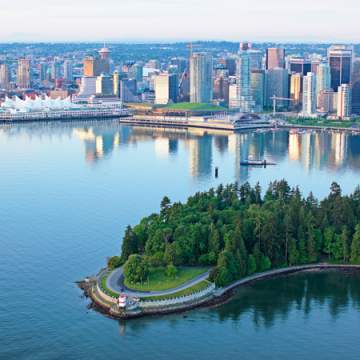
Victoria's Inner Harbour is the focal point of the city — a working harbour surrounded by the most significant heritage buildings in the city. The Fairmont Empress Hotel (1908) faces the harbour from the north; the BC Legislature Buildings (1897) anchor the south end; the Royal BC Museum sits between them. Float planes depart from the harbour for Vancouver and the Gulf Islands every 30 minutes, and whale watching tours operate from the inner and outer harbour throughout the season.
The causeway in front of the Empress is the main promenade and hosts street performers, buskers, and summer evening activity. The harbour seal population that lives in the inner basin is habituated to human presence and visible from the causeway year-round. Water taxis cross the harbour to Fisherman's Wharf and the Songhees neighbourhood on the west side. The evening views — the Legislature Buildings illuminated by their own lights, the harbour traffic, the mountain backdrop visible on clear days — justify the hotel rates of the Empress at least as a dinner destination.
Butchart Gardens
Butchart Gardens occupies a 22-hectare former limestone quarry 22 kilometres north of Victoria on the Saanich Peninsula, developed by Jenny Butchart beginning in 1904 when she planted the floor of her husband's exhausted quarry with English ivy, roses, and flowers. The Sunken Garden in the original quarry is the centerpiece — a deep bowl of formally arranged flowerbeds visible from the rim above and accessible by stairs to the floor. The surrounding property contains Japanese, Italian, and Rose gardens, each with distinct design vocabularies.
The gardens are managed by the Butchart family trust and maintained to obsessive standard — over a million annuals are replanted each year. Evening illuminations in summer (the gardens are open until midnight) add a theatrical element. Saturday evening fireworks in summer are spectacular. The busiest season is July through September; spring and early summer (late April through June) have the most varied floral display. Book in advance for summer evenings.
Royal BC Museum
The Royal BC Museum holds the provincial natural history and human history collections in a building adjacent to the Inner Harbour. The First Peoples Gallery, presenting the cultures and histories of BC's 200+ First Nations, is one of the most thoughtfully developed Indigenous cultural presentations in Canada — the collections include ceremonial objects, everyday items, and archival material, and the interpretation emphasises active cultural continuity rather than treating Indigenous cultures as historical artifacts.
The Modern History Gallery includes a recreated Victorian era street, an authentic working salmon cannery, and a reconstruction of a natural old-growth forest interior. The Natural History Gallery covers BC's remarkable biological diversity. IMAX theatre is adjacent. The museum underwent significant expansion planning; check current hours and exhibition status before visiting as renovation work may affect access to some galleries.
Craigdarroch Castle
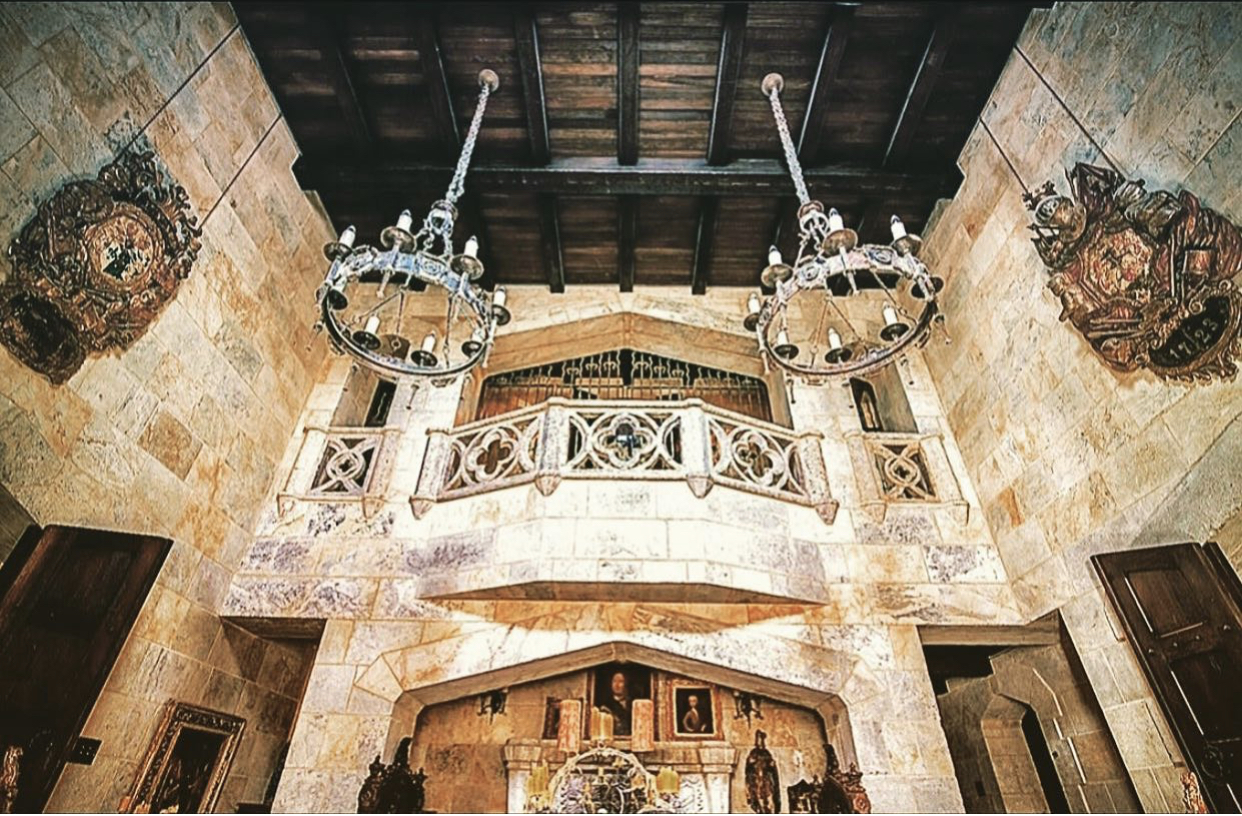
Craigdarroch Castle is a stone Richardson Romanesque mansion built between 1887 and 1890 by coal baron Robert Dunsmuir as a demonstration of his wealth and position in colonial Victoria society. Dunsmuir died before the house was completed, and it passed through numerous owners and uses — a military hospital, a college, a music conservatory, a government office — before becoming a museum. The four-storey house contains 39 rooms of Victorian furnishings, stained glass, and carved woodwork in near-original condition.
The tower gives views over the city to the Olympic Mountains in Washington and the Strait of Juan de Fuca. The house is architecturally significant in its own right — the combination of turrets, rough stone, and intricate interior woodwork reflects the height of Victorian decorative excess. The guided tour is thorough and the guides know the family history in detail. Open year-round.
Fisherman's Wharf
Fisherman's Wharf is a working float home community and tourist harbour in the Inner Harbour basin, reached by water taxi from the causeway (5 minutes) or on foot via the Inner Harbour walkway. The wharf is home to about 20 colourfully painted float homes and a cluster of food kiosks selling local seafood — fresh halibut and chips, fish tacos, prawns. The resident harbour seal colony includes animals that have become comfortable accepting hand-fed fish from vendors.
The float home community is a working residential neighbourhood, not a theme park — the contrast between tourist-facing food kiosks and people hanging laundry outside their floating homes gives the place an authenticity that the Inner Harbour lacks. Sunset is particularly good here: the light on the harbour and the float homes, with the harbour traffic of float planes and water taxis continuing, makes for excellent photography.
Beacon Hill Park
Beacon Hill Park covers 75 hectares between the Inner Harbour and the southern shoreline of Vancouver Island, and includes formal gardens, naturalized Garry oak meadows, a petting farm, and views south across the Strait of Juan de Fuca to the Olympic Mountains in Washington. The Mile Zero marker at the southern edge of the park marks the start of the Trans-Canada Highway, which runs 7,820 kilometres east to St. John's, Newfoundland. The totem pole collection — some of the tallest in the world — stands along the park's main path.
The Garry oak ecosystem is one of the most endangered habitats in Canada, found naturally only in this corner of BC and the adjacent Washington State. The park's oak meadow sections support plant species found nowhere else in Canada. Spring wildflower season (April through May) in the Garry oak areas is exceptional — camas, shooting stars, and white fawn lilies bloom among the gnarled old oaks.
Getting to Victoria
BC Ferries runs from Tsawwassen, south of Vancouver, to Swartz Bay north of Victoria (1.5 hours). BC Ferries also connects from Horseshoe Bay, west of Vancouver, to Departure Bay in Nanaimo (1.5 hours). Victoria International Airport (YYJ) is 25 kilometres north of downtown. Harbour Air float planes connect Victoria Inner Harbour to Vancouver Harbour in 35 minutes.
Share your Victoria experience
Powered by TravelGuide Comments — share your thoughts on each attraction above.