Winnipeg sits at the geographical centre of North America — the confluence of the Red and Assiniboine Rivers, which has been a meeting place for Indigenous trading networks for thousands of years before European contact. The city of 780,000 is the largest on the Canadian prairies after Calgary and Edmonton, and it has a cultural vitality disproportionate to its reputation in the rest of Canada. The Canadian Museum for Human Rights alone would justify a visit; the Exchange District is one of the most intact turn-of-the-century commercial warehouse districts in North America; and the Indigenous arts and cultural scene centred on the North End and Spence Street is one of the most active in the country.
The winter is genuinely extreme — Winnipeg regularly records temperatures below minus 30°C and ranks among the coldest cities in the world with populations over 500,000. This has produced a culture of interior life: elaborate indoor walkways, exceptional restaurants, and a theatre scene that operates year-round. Summer compensates with long days, outdoor festivals, and the humidity-free prairie heat of July.
The Forks
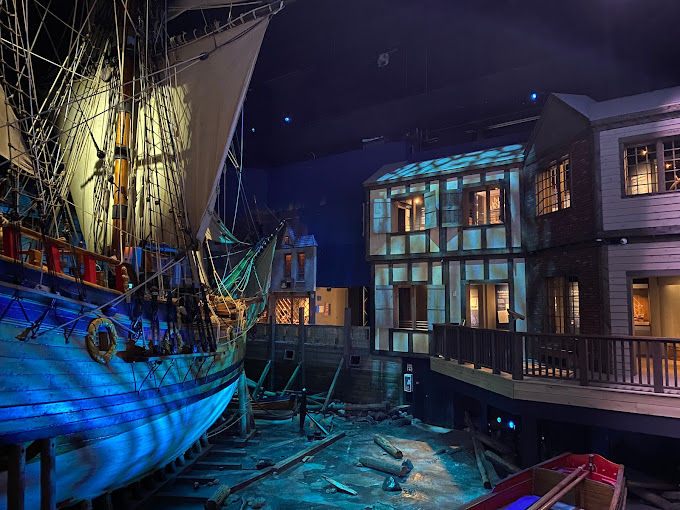
The Forks is a 56-acre public park and marketplace at the confluence of the Red and Assiniboine Rivers, on the site of a trading ground used continuously for over 6,000 years. The current development includes a public market building with food vendors and shops, a theatre complex (MTC Warehouse and the Centennial Concert Hall nearby), skating rinks on the rivers in winter, walking paths, and a significant Indigenous public art installation — the Oodena Celebration Circle — that marks the site's pre-contact history. The skating trails on the Red and Assiniboine Rivers (the longest naturally frozen skating surface in the world at over 8 kilometres) operate when winter ice conditions allow.
The market building is busiest on weekends and contains food vendors representing the remarkable ethnic diversity of Winnipeg's immigrant communities. The Johnston Terminal building houses boutique shops and restaurants. The Esplanade Riel footbridge connects The Forks to the Saint-Boniface neighbourhood across the Red River — the historic centre of French and Métis Manitoba, with the ruins of the Saint-Boniface Cathedral (burned 1968) and Louis Riel's grave.
Canadian Museum for Human Rights
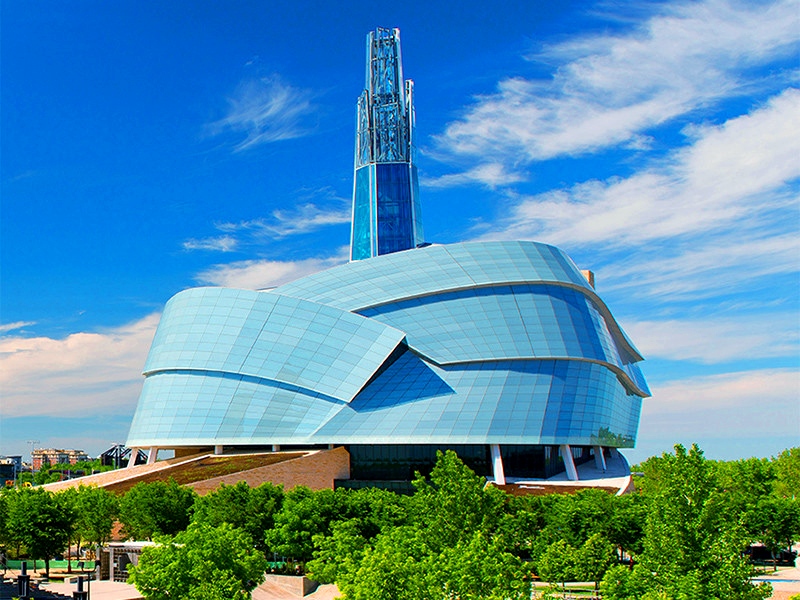
The Canadian Museum for Human Rights is the first museum in the world dedicated solely to human rights and the first national museum established outside Ottawa. Antoine Predock's building, completed in 2014, is a remarkable architectural object — layers of geological strata in glass and alabaster rising to a glass tower above the Forks. The interior ramps visitors upward through escalating physical brightness, from the lower galleries lit in amber tones through to the Tower of Hope at the top that looks out over the prairies.
The galleries address human rights through thematic and case-specific presentations: Indigenous rights and the residential school system, the Holocaust, the Ukrainian famine, LGBTQ2S+ rights, and a range of international cases. The residential schools gallery is one of the most emotionally significant spaces in any Canadian museum. The museum's approach is analytical rather than declarative — it asks visitors to engage with the complexity of rights rather than simply affirming agreed-upon values. Allow three hours minimum.
Assiniboine Park and Zoo
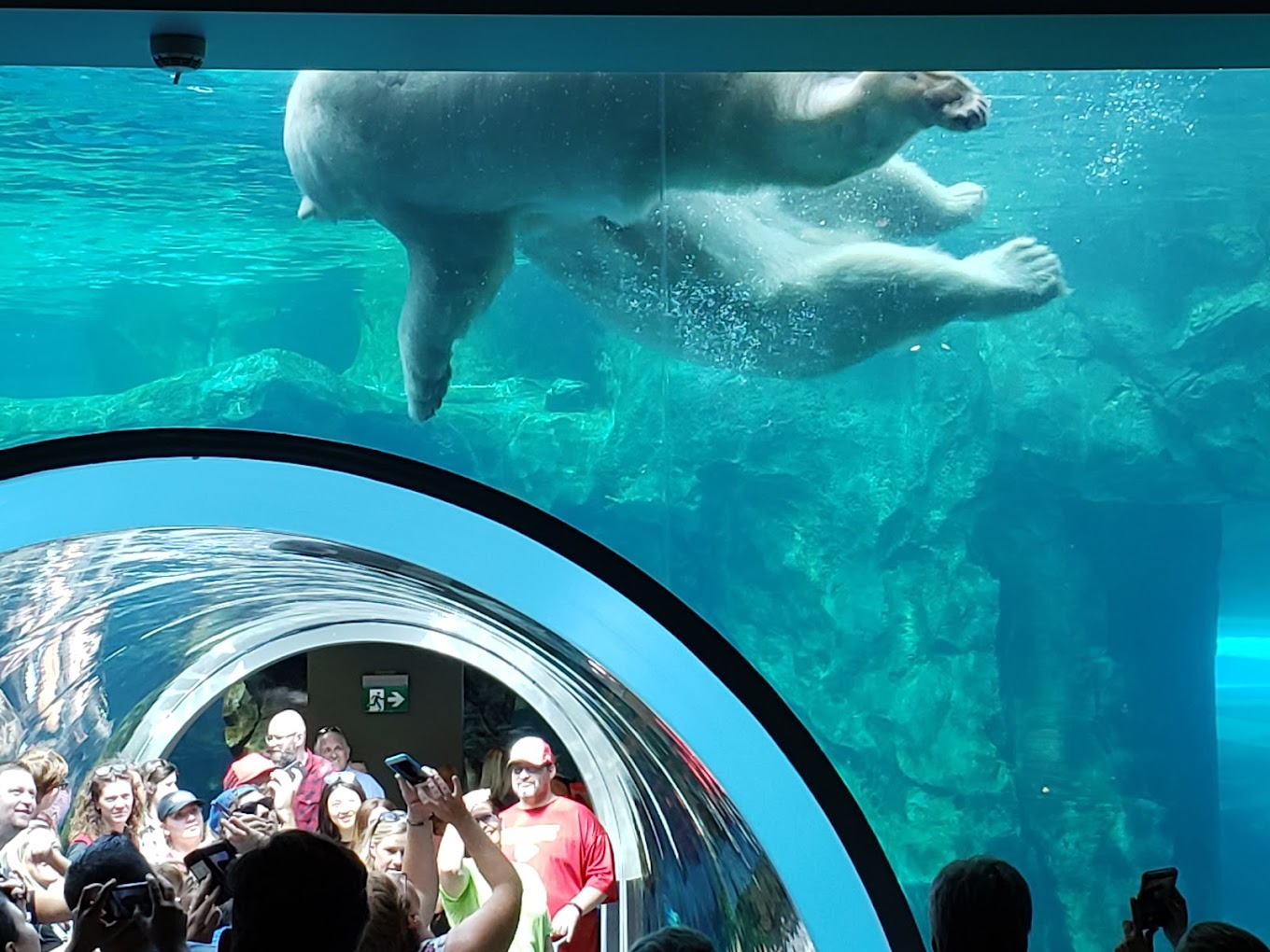
Assiniboine Park covers 445 hectares in the western residential area of Winnipeg, with formal English gardens, a conservatory, pavilions, a duck pond, and the Assiniboine Park Zoo. The zoo is one of the better public zoos in Canada, with particular strength in Arctic and subarctic species — polar bears, Arctic foxes, snowy owls — reflecting the zoo's geographic proximity to the habitats. The Journey to Churchill exhibit, focusing on the Churchill, Manitoba polar bear population, is the zoo's signature attraction.
The Lyric Theatre in the park hosts summer concerts including the Winnipeg Folk Festival's Sunday afternoon finale. The Pavilion Gallery has rotating art exhibitions. The park's Leo Mol Sculpture Garden contains a major collection of bronze sculpture by the Ukrainian-Canadian artist. Open year-round; the zoo has separate admission.
Exchange District
The Exchange District is a National Historic Site covering 13 city blocks of Winnipeg's downtown, containing the most intact concentration of early 20th-century commercial warehouse architecture in North America. The buildings — mostly five to ten storey brick and terracotta commercial structures built between 1880 and 1920 during Winnipeg's prairie boom years — were largely abandoned after the city's economic decline in the 1920s and have been gradually repopulated with restaurants, galleries, studios, film production companies, and boutique businesses since the 1980s. The architectural preservation that resulted from decades of economic stagnation is now the neighbourhood's greatest asset.
Old Market Square in the centre of the Exchange hosts the Fringe Festival in July (Winnipeg Fringe is the second-largest fringe festival in North America after Edmonton) and a weekly farmers' market. The Cube Gallery, the Winnipeg Art Gallery annex, and the Cinematheque are the cultural anchors. King Street and McDermot Avenue have the best concentration of independent restaurants and bars.
Winnipeg Art Gallery — Qaumajuq
The Winnipeg Art Gallery holds the world's largest public collection of Inuit art — over 14,000 works of sculpture, drawing, printmaking, and textile art. The Qaumajuq (pronounced KOW-mah-you) addition opened in 2021 provides a dramatically increased gallery space for the collection, including a visible vault where thousands of Inuit sculptures are visible through glass walls — an extraordinary display of density and variety. The vault arrangement allows visitors to see the full breadth of the collection rather than the small percentage that was previously displayable.
The legacy WAG building holds significant collections of Canadian art including Manitoba artists and historical collections. The Inuit collection alone makes Winnipeg an important destination for anyone interested in Indigenous art — the range of artistic traditions across Nunavut, the Northwest Territories, and northern Quebec represented in the collection is unmatched anywhere in the world.
Louis Riel's Grave and Saint-Boniface
Saint-Boniface, across the Red River from The Forks, is the historic centre of Francophone and Métis Manitoba. Louis Riel — the Métis leader who led the Red River Resistance of 1869 and the North-West Resistance of 1885, was tried for treason and executed — is buried in the grounds of the Saint-Boniface Cathedral. The cathedral burned in 1968 and only the facade survived; the ruin has been preserved as a memorial with a new church built behind the original stone front. Riel's grave is a pilgrimage site for Métis communities and for Canadians who regard the Métis nation's history as central to understanding Canada.
The Saint-Boniface neighbourhood has French-language schools, restaurants, and the Saint-Boniface Museum (in the oldest surviving building in Winnipeg, the Grey Nuns' convent of 1846). The Promenade des Artistes along the Provencher Boulevard is lined with murals depicting Métis and French-Canadian history.
Getting to Winnipeg
Winnipeg James Armstrong Richardson International Airport (YWG) serves all major Canadian cities and select US destinations. The city has a bus rapid transit system (Southwest Transitway) and local transit network. Driving from Regina takes about 6 hours on the Trans-Canada; from Thunder Bay about 7 hours. VIA Rail's Canadian (Toronto-Vancouver) passes through Winnipeg three times per week.
Share your Winnipeg experience
Powered by TravelGuide Comments — share your thoughts on each attraction above.