Dawson City sits at the confluence of the Klondike and Yukon Rivers, 530 kilometres north of Whitehorse on the Klondike Highway, and was the epicentre of the Klondike Gold Rush of 1897-99 — one of the most consequential mass migrations in North American history. At its peak in 1898, Dawson had a population of over 40,000 and was the largest city in Canada west of Winnipeg and north of Seattle. The goldfields in the creek valleys surrounding the city produced over 3 billion dollars worth of gold (in current value) in the first decade of the rush. By 1903 the rush had subsided and the population had begun its long decline; today the town has about 1,300 permanent residents.
What makes Dawson unique is that it looks like the gold rush era with an honesty that is architectural rather than recreated. The buildings weren't demolished after the rush; they were simply abandoned and then gradually rehabilitated. Parks Canada has restored and maintains dozens of gold rush era buildings, and the combination of authentic historic structures, the active interpretive programming, and the physical landscape of the goldfields creeks makes this one of the most genuinely immersive historic sites in Canada.
Klondike Gold Rush National Historic Site
The Klondike National Historic Sites designation covers numerous properties throughout Dawson City and the surrounding goldfields, managed by Parks Canada. The key sites in town include the Palace Grand Theatre (1899, restored), the Commissioner's Residence (1901), the Post Office, and the Bank of Commerce building. Parks Canada offers tours of several buildings and maintains interpretive programmes throughout the summer season that cover both the mechanics of placer gold mining and the social history of the rush — the role of Indigenous peoples (particularly the Han nation), the immigrant experience, the labour conditions, and the social stratification of the rush-era town.
The Palace Grand Theatre, designed and built by Arizona Charley Meadows in 1899, has been restored to working condition and hosts nightly performances in summer by the Parks Canada-funded Gaslight Follies company — vaudeville-style shows appropriate to the era. The quality is consistently high; it's one of the best living heritage theatre experiences in Canada.
Diamond Tooth Gerties Gambling Hall
Diamond Tooth Gerties is Canada's oldest licensed gambling casino, operating continuously since 1971 in a recreation of the Dawson of 1898. The hall features slot machines, blackjack, and poker tables in a Victorian saloon setting, alongside three nightly cancan shows performed by costumed dancers on an elevated stage. The performances capture the combination of genuine entertainment and mild scandal that characterized the dance hall business of the gold rush era. Gerties operates May through September, with proceeds supporting Dawson City community and heritage projects.
The atmosphere is cheerfully theatrical rather than high-stakes — the clientele is mostly visitors, and the entertainment is the primary draw. The Sourtoe Cocktail is Dawson's most notorious tradition: a cocktail served with a preserved human toe, which must touch your lips before you finish the drink. This is not a recreation; the toes are donated and preserved in salt, and the tradition has continued since 1973 with multiple toes donated when predecessors were swallowed or otherwise lost.
Dredge No. 4 National Historic Site
Gold Dredge No. 4 on Bonanza Creek, 15 kilometres south of Dawson on the Bonanza Creek road, is the largest wooden-hulled gold dredge in North America and the centrepiece of the industrial gold mining era that followed the individual placer miners. Dredge No. 4 was built in 1912 by the Yukon Gold Company and operated until 1960, floating on its own pond as it chewed through the gravel of Bonanza Creek systematically, separating gold from the overburden. The tailings piles left by decades of dredging are visible for kilometres along the creek valley.
Parks Canada offers guided tours of the dredge from the restored pilothouse through the machinery decks, explaining the operating procedure that could process 18,000 cubic yards of gravel per day. The scale of the machinery and the industrial archaeology of the surrounding dredge ponds and tailings make this one of the most interesting industrial heritage sites in the Yukon.
Midnight Dome
The Midnight Dome is a prominent hill northeast of Dawson City that overlooks the confluence of the Klondike and Yukon Rivers and the surrounding valley system. The road to the summit (accessible by car in summer) gives the most complete orientation to the Dawson landscape — the two rivers converging below, the gold rush dredge tailings visible in the creek valleys, and the boreal forest extending to the horizon. The Dome is the traditional viewing point for the summer solstice, when the sun barely sets at Dawson's latitude of 64°N and local residents gather to watch the midnight sun hover just above the horizon.
The summer solstice celebration on June 21 is one of the year's most atmospheric Dawson events. The 8-kilometre hiking trail from the dome summit connects back to Dawson via the ridge and the Crocus Bluffs. The view at any clear time of day is exceptional.
Dänojà Zho Cultural Centre
The Dänojà Zho Cultural Centre is the cultural facility of the Tr'ondëk Hwëch'in First Nation — the Han people whose traditional territory encompasses the Dawson City area and who were here long before the gold rush transformed their homeland. The centre presents the history and living culture of the Tr'ondëk Hwëch'in through exhibits, multimedia, and cultural programming developed and controlled by the nation. The gold rush from the Han perspective — the displacement, the rapid transformation of their territory, and the relationship between Han people and the stampede — is the essential counter-narrative to the gold rush story told in Parks Canada facilities.
Cultural events, traditional food tastings, and guided walks on traditional lands are offered through the centre in summer. The traditional fish camp at Moosehide, a Han village site 5 kilometres downstream from Dawson, is accessible by river boat from the centre.
Getting to Dawson City
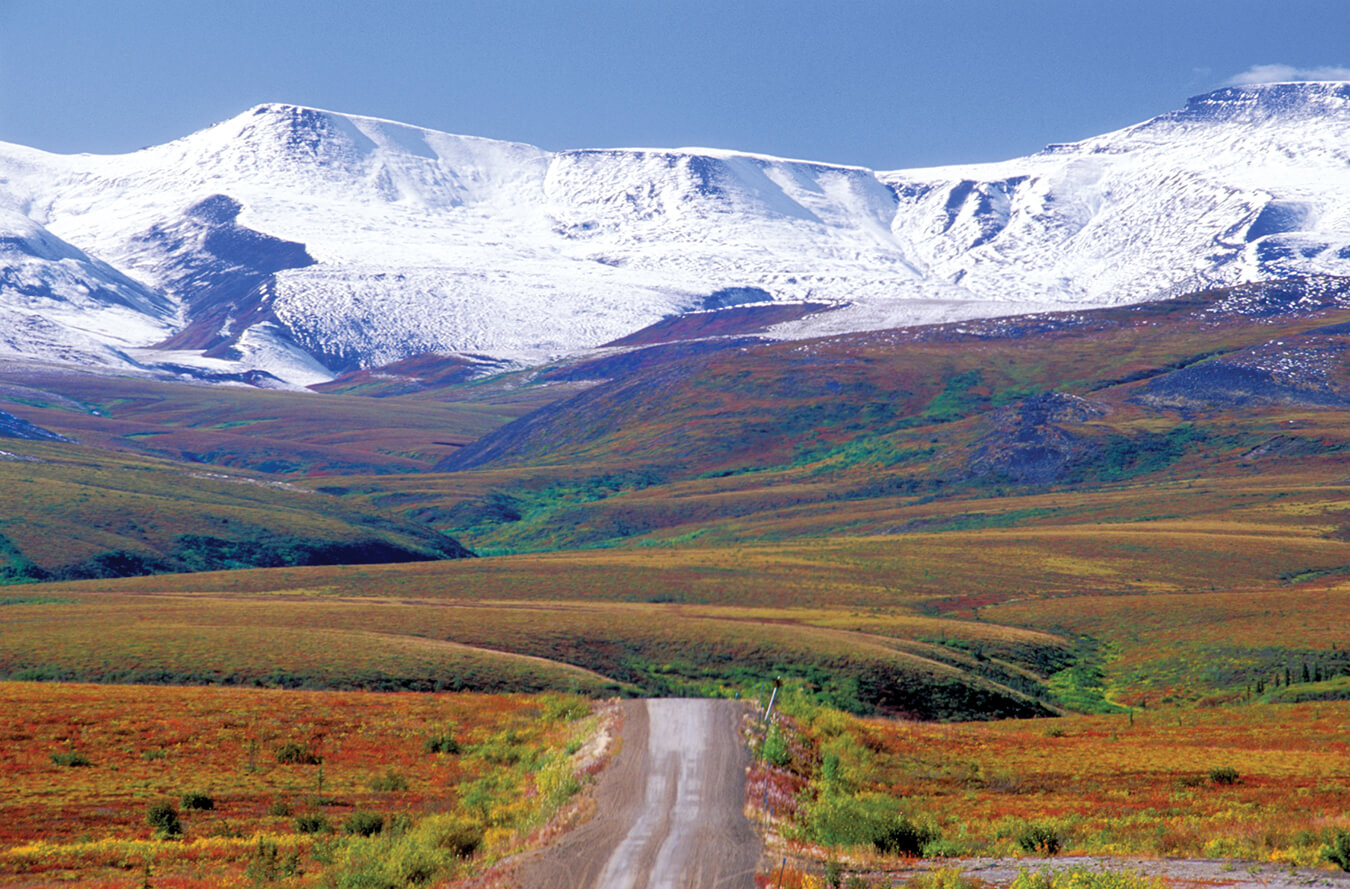
Dawson City Airport (YDA) has scheduled service from Whitehorse on Air North. Driving from Whitehorse takes about 5 hours on the Klondike Highway (Hwy 2). The Dempster Highway (Hwy 5) begins 40 kilometres east of Dawson and runs 736 kilometres north to Inuvik, NWT — one of the world's great highway drives. The Alaska border at Little Gold is 105 km west of Dawson.
Share your Dawson City experience
Powered by TravelGuide Comments — share your thoughts on each attraction above.