Top Attractions
10 Must-See Places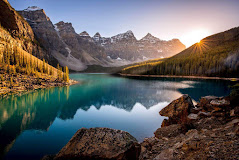
Banff National Park
Canada's most visited national park offers glacier-carved valleys, turquoise lakes, and alpine hiking trails across 6,641 square kilometres of the Rockies. The park has excellent infrastructure but rewards visitors who explore beyond the town of Banff — the quieter trails away from the main corridors reveal an enormous wilderness that the car-based visitor barely scratches.
View full guide →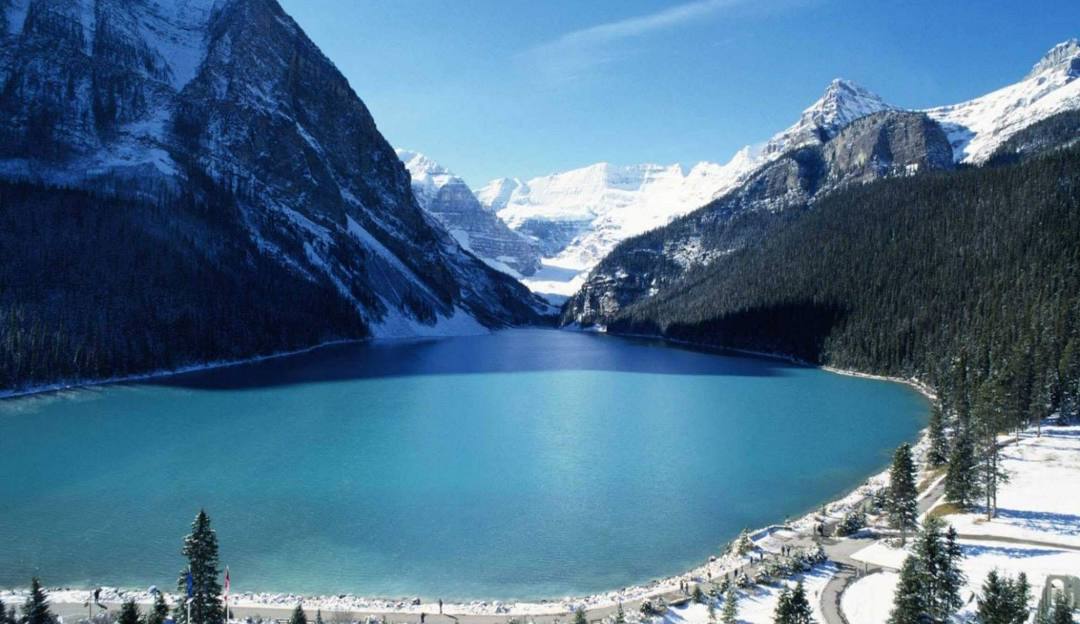
Lake Louise
The most recognisable lake in the Canadian Rockies — a glacial body of milky turquoise water at the foot of the Victoria Glacier, with the Fairmont Chateau Lake Louise providing scale on the western shore. The colour comes from glacial rock flour suspended in the meltwater, and it is exactly as vivid as every photograph suggests. The Plain of Six Glaciers hike above the lake is outstanding.
View full guide →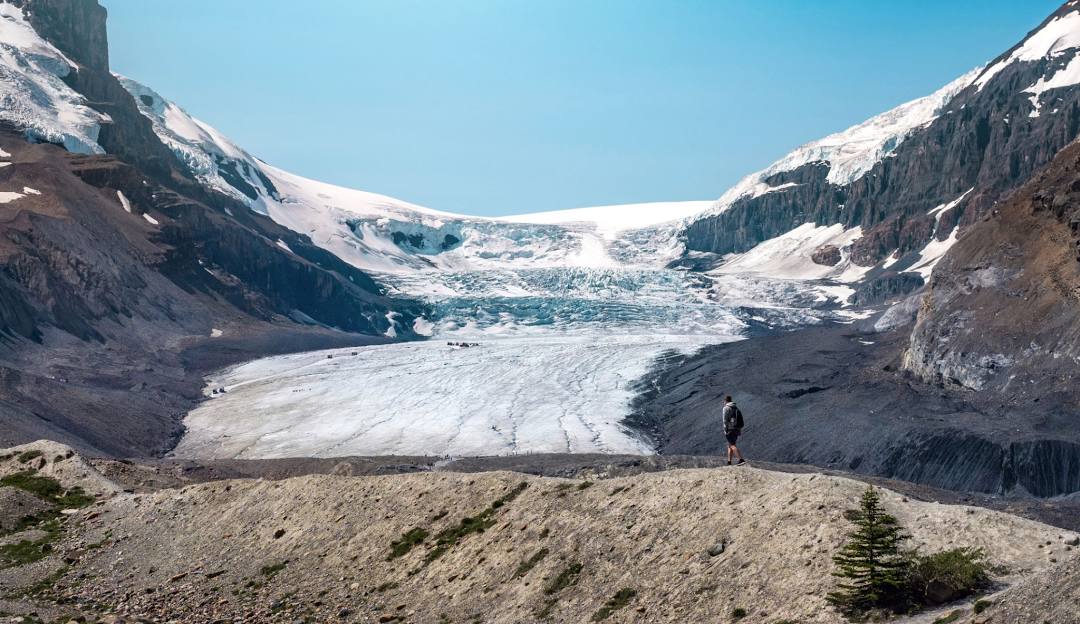
Icefields Parkway
The 230-kilometre highway between Banff and Jasper is consistently ranked among the most scenic drives in the world, passing glaciers, waterfalls, and mountain lakes that appear around every corner. The Columbia Icefield, midway along the route, feeds six glaciers including the accessible Athabasca Glacier where ice walk tours operate in summer.
View full guide →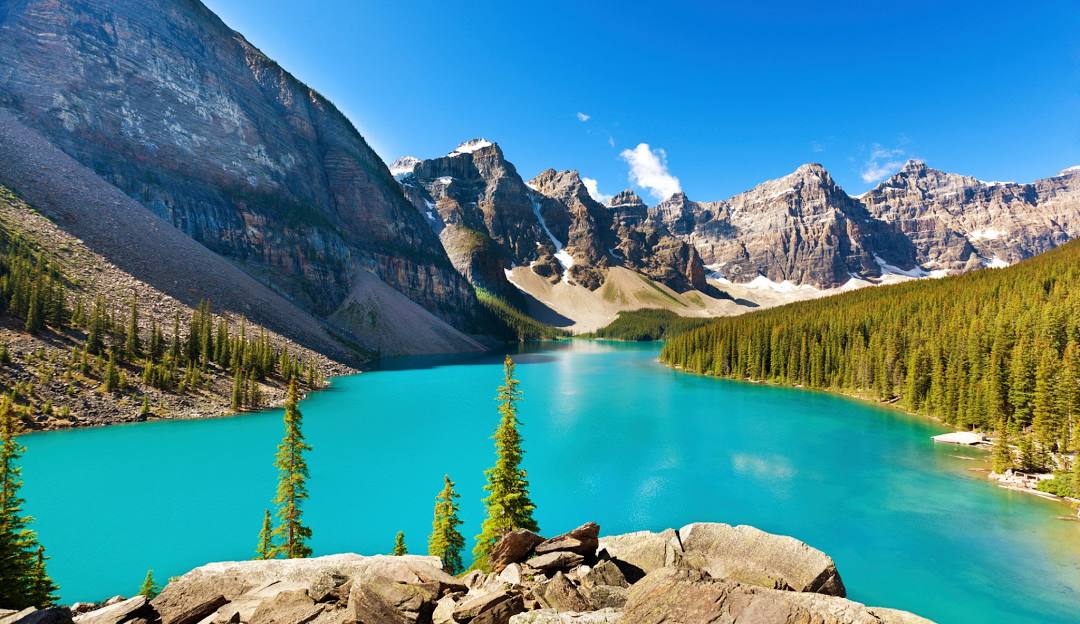
Moraine Lake
Ten kilometres beyond Lake Louise, Moraine Lake sits in the Valley of the Ten Peaks — a setting so dramatic it once appeared on the Canadian $20 bill. The Rockpile viewpoint above the lake takes 15 minutes to reach and delivers one of the great mountain panoramas in Canada. Arrive early or take the Parks Canada shuttle — the parking lot fills before 7 a.m. in peak season.
View full guide →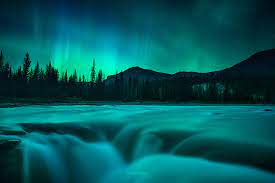
Jasper National Park
Larger and less crowded than Banff, Jasper National Park preserves over 10,800 square kilometres of boreal forest and mountain wilderness. The Athabasca Falls are among the most powerful in the Rockies. Wildlife is more frequently seen here than almost anywhere else in Canada — bears, elk, wolves, moose and caribou all inhabit the park.
View full guide →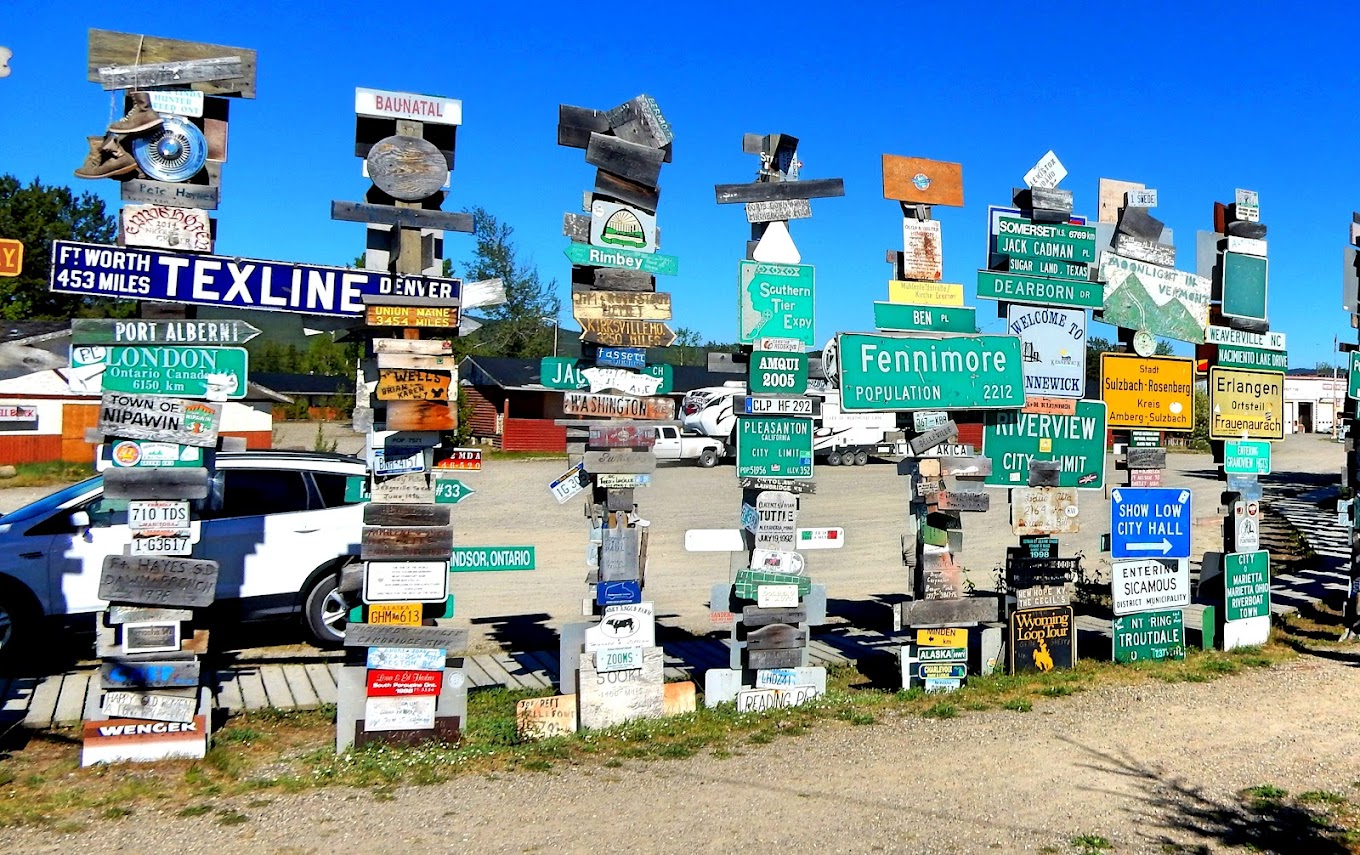
Head-Smashed-In Buffalo Jump
One of the oldest, largest and best-preserved buffalo jumps in North America — a UNESCO World Heritage Site where Plains Indigenous peoples drove bison over sandstone cliffs for nearly 6,000 years. The interpretive centre, built into the cliff face, presents the history with exceptional depth and Indigenous authority.
View full guide →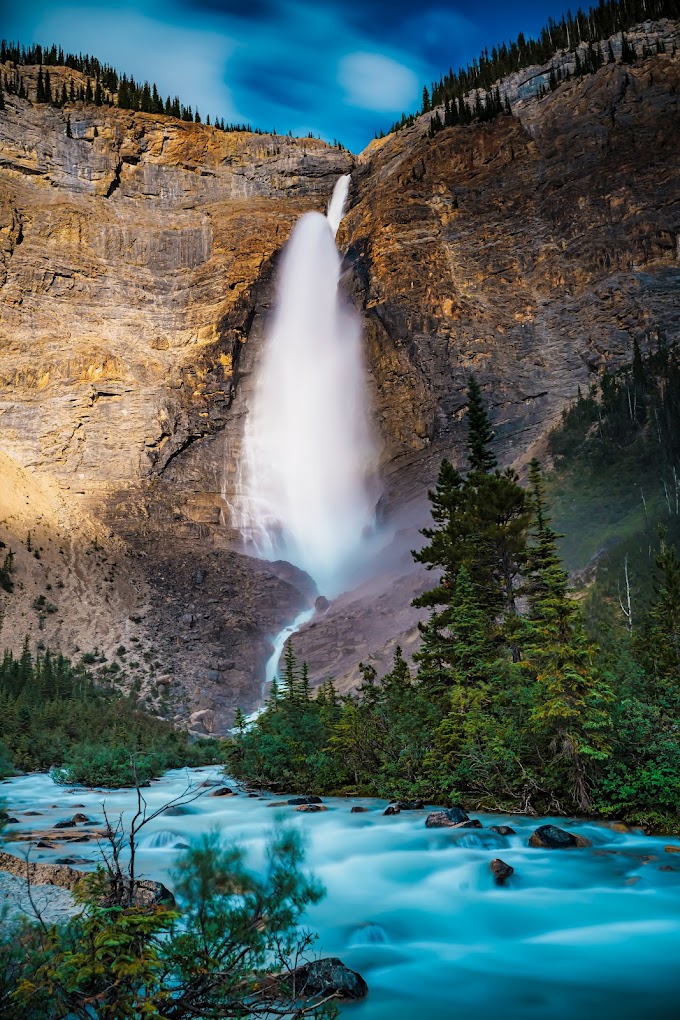
Peyto Lake
Peyto Lake is the classic viewpoint that every photographer working in the Canadian Rockies eventually finds on their memory card. The lake's impossible turquoise colour comes from glacial rock flour suspended in the meltwater — the same mineral particles that make Moraine Lake and Louise famous, but at Peyto the perspective from the Bow Summit viewpoint (the highest drivable point on the Icefields Parkway) gives you the full wolf-head shape of the lake stretched through the valley below. Sunrise and sunset produce the most intense colour saturation. The viewpoint is accessible from the Icefields Parkway; an extended trail leads to even better angles for those willing to hike.
View full guide →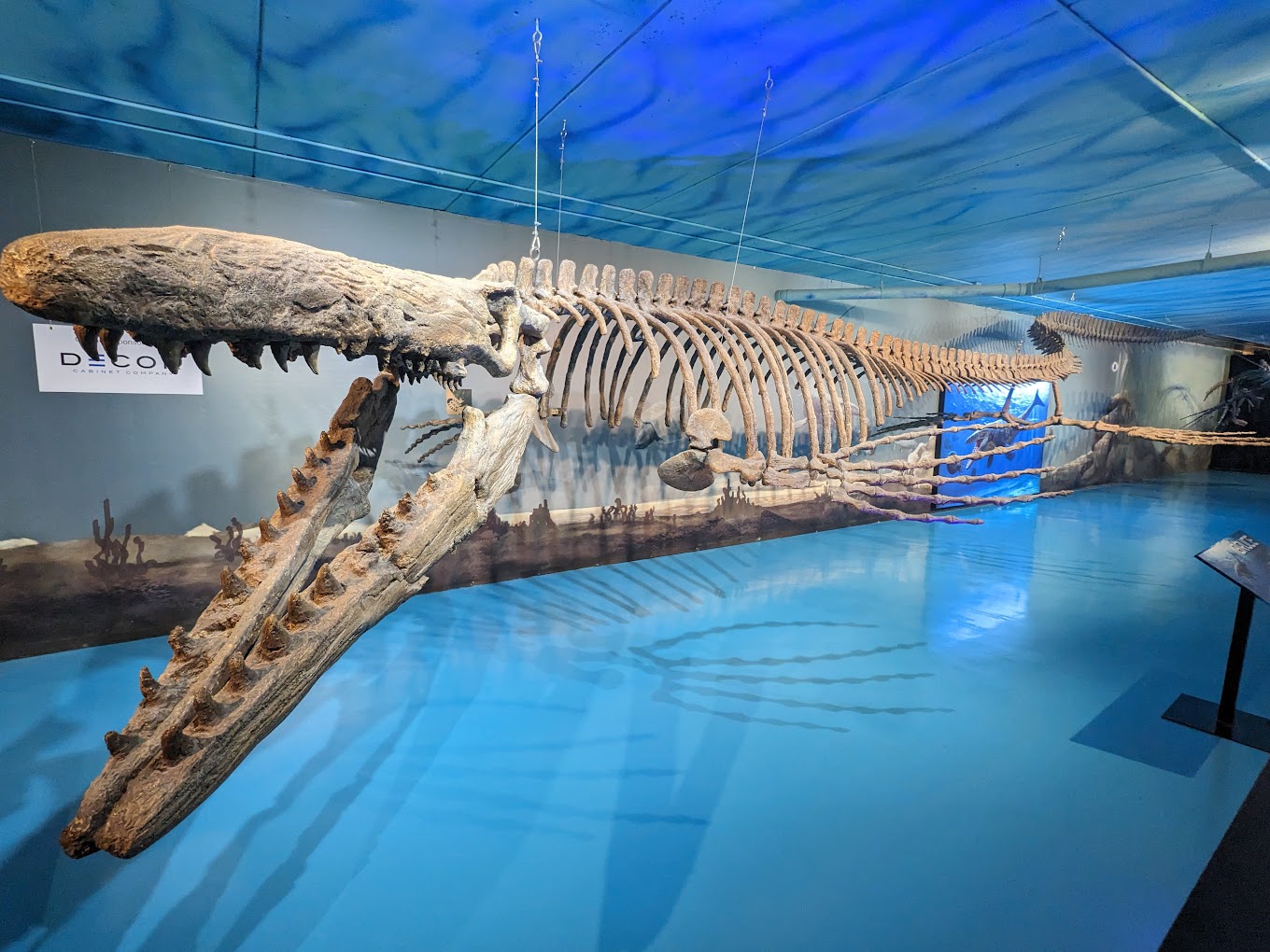
Royal Tyrrell Museum, Drumheller
The Badlands around Drumheller are one of the most productive dinosaur fossil sites on Earth, and the Royal Tyrrell Museum is built directly into this landscape. The collection includes over 40 mounted dinosaur skeletons — one of the largest displays of its kind in the world — as well as an active preparation laboratory where visitors watch technicians extract fossils from surrounding rock in real time. The hoodoos, river canyons, and eroded coulees of the surrounding Badlands are worth exploring independently; the short hike into the Horseshoe Canyon is free and requires no equipment.
View full guide →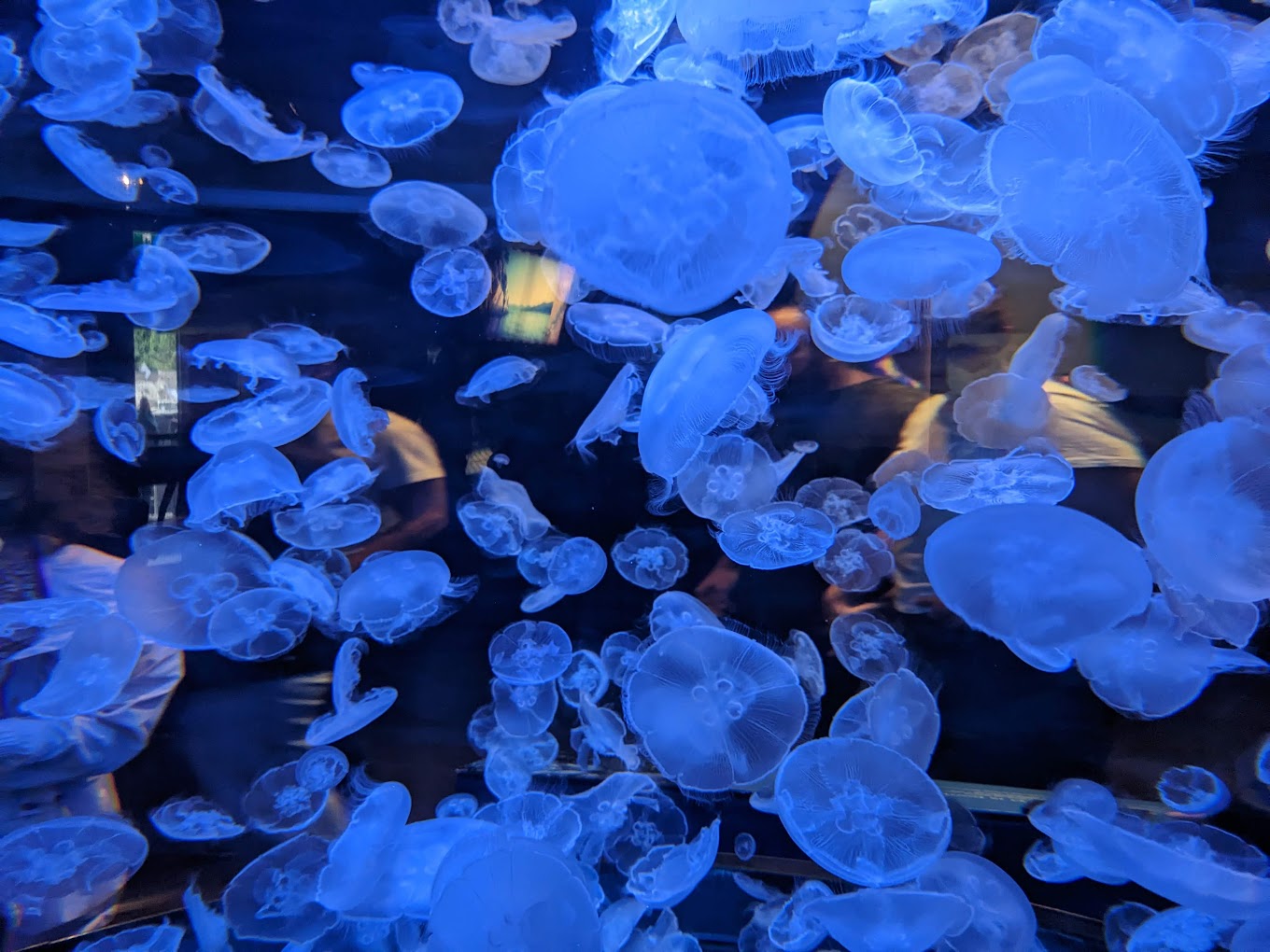
Waterton Lakes National Park
Waterton Lakes sits in the extreme southwest corner of Alberta where the Great Plains collide abruptly with the Rocky Mountains — there is no foothills transition zone here, just flat prairie and then suddenly thousand-metre peaks. Together with Glacier National Park across the US border, it forms the Waterton-Glacier International Peace Park, a UNESCO World Heritage Site. Cameron Lake, Prince of Wales Hotel, Red Rock Canyon, and the town of Waterton itself are all within minutes of each other. Wildflower season in June and July is extraordinary. The park is smaller and less crowded than Banff, which makes it more rewarding in many respects.
View full guide →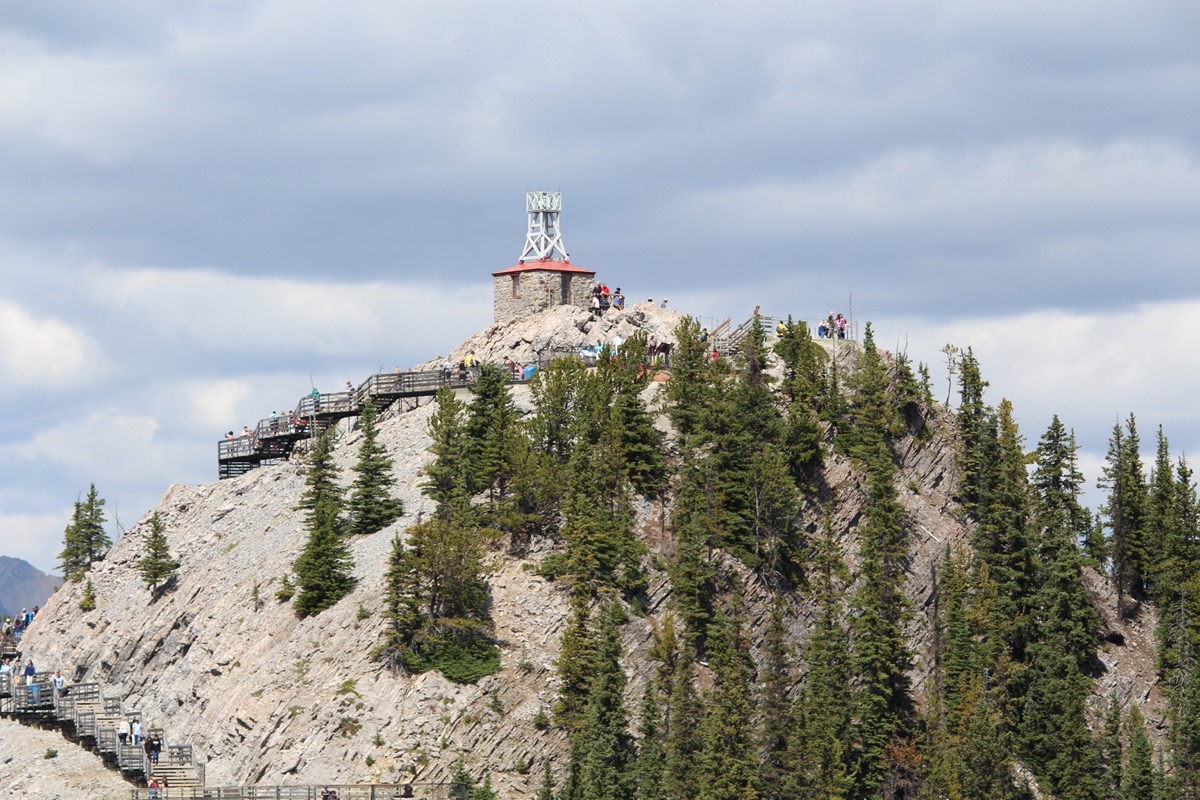
Sulphur Mountain Gondola, Banff
The Banff Gondola climbs 698 vertical metres to the summit ridge of Sulphur Mountain in under eight minutes, depositing visitors at 2,281 metres above sea level with a 360-degree panorama of six mountain ranges. On a clear day you can see the Bow Valley, the Spray Valley, and peaks stretching south toward the US border. The summit boardwalk leads to the restored Sanson's Peak meteorological station, which operated continuously from 1903 to 1931. Sunrise and sunset rides are spectacular. A restaurant and interpretive centre occupy the upper terminal. Allow two to three hours for the full experience, and book ahead in July and August when gondola queues can stretch to 90 minutes.
View full guide →Alberta Travel Guides
Banff: First-Timer's Complete Guide
Where to stay, what to hike, how to avoid crowds and the best viewpoints in Canada's most visited park.
Lake Louise in Every Season
The famous turquoise lake is beautiful in summer — but fall larches and winter ice offer something even better.
Wildlife Watching in Jasper
Best spots, best times, and practical safety advice for seeing bears, elk and wolves in the wild.
Share Your Alberta Experience