Top Attractions
9 Must-See Places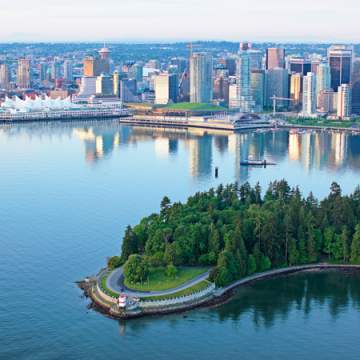
Stanley Park, Vancouver
One of the finest urban parks in the world — 405 hectares of old-growth forest, coastal Douglas firs, and seawall path encircling the park along the waterfront. The 9-kilometre Seawall is famous, but the interior forest trails through 500-year-old cedars are the park's real treasure.
View full guide →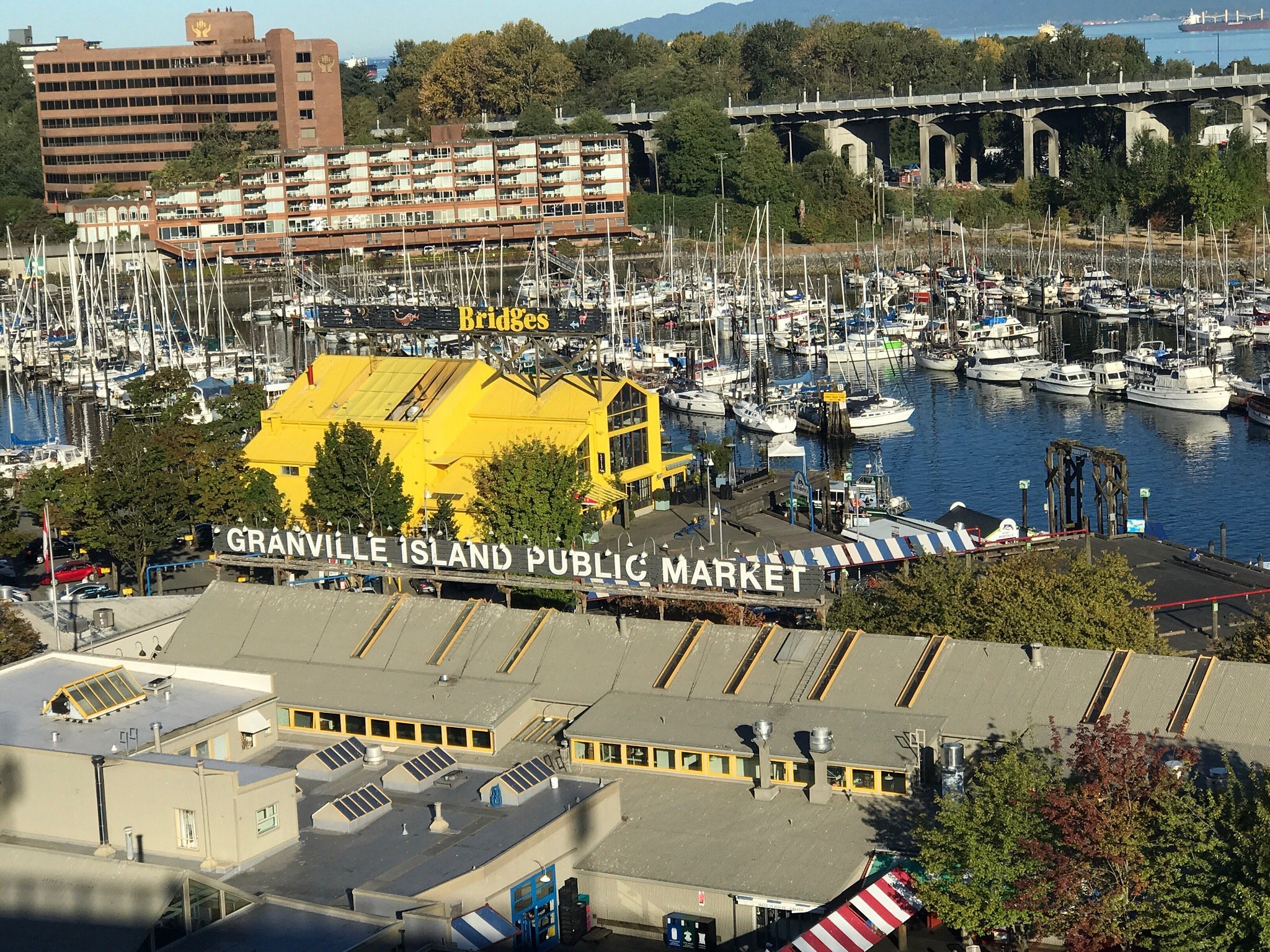
Granville Island
A former industrial site transformed into Vancouver's most vital public market — dozens of vendors selling local produce, fresh seafood, artisan cheese and prepared food, surrounded by artist studios, craft breweries, and the Emily Carr University of Art and Design. Come on a weekday morning for the best experience.
View full guide →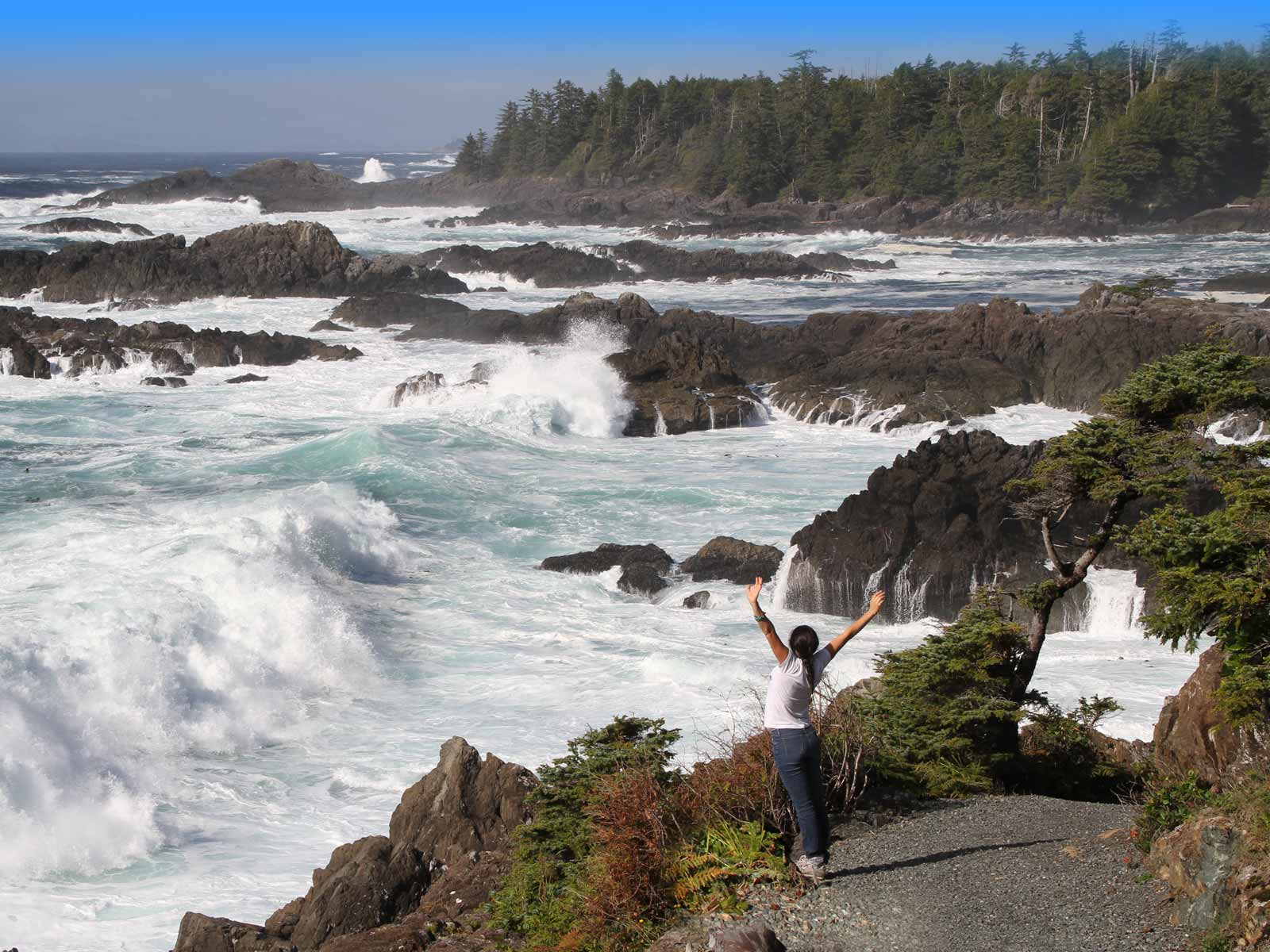
Whistler
North America's largest ski resort by terrain is equally compelling in summer — the Peak 2 Peak gondola connecting Whistler and Blackcomb mountains is a world record in itself, and the summer mountain bike park, hiking trails and glacier walks replace the powder runs from November to April.
View full guide →
Butchart Gardens, Victoria
A former limestone quarry transformed over the past century into 22 hectares of world-renowned formal gardens — the Sunken Garden, Rose Garden, Japanese Garden and Italian Garden change character through the seasons. The Saturday night fireworks display in summer is a long-standing Victoria tradition.
View full guide →
Sea-to-Sky Highway
The 125-kilometre drive from Vancouver to Whistler along Highway 99 is one of the most dramatic scenic highways in Canada — following the shore of Howe Sound through Squamish, past the Shannon Falls and the Stawamus Chief, and climbing into the Coast Mountain resort town. The Chief is the largest granite monolith in Canada and one of the premier traditional rock climbs in North America.
View full guide →
Tofino and Pacific Rim
On the wild west coast of Vancouver Island, Tofino is Canada's surfing capital — the exposed Pacific beaches at Long Beach in Pacific Rim National Park receive consistent swell from the open ocean. The ancient temperate rainforest of old-growth Sitka spruce and cedar, the grey whale migration in spring, and the storm-watching season in winter make it a four-season destination.
View full guide →
Capilano Suspension Bridge Park
The Capilano Suspension Bridge stretches 137 metres across and 70 metres above the Capilano River canyon — long enough that it sways noticeably in the middle, even on calm days. The park has expanded well beyond the original bridge to include the Cliffwalk (a narrow cantilevered walkway along the granite cliff face), Treetops Adventure (seven suspension bridges between old-growth Douglas-firs up to 30 metres high), and the Canyon Floor experience. The surrounding old-growth forest is stunning in all seasons; fall colour and winter snow both transform the canyon. Budget time for the canyon floor trails that most visitors skip in favour of the main attractions.
View full guide →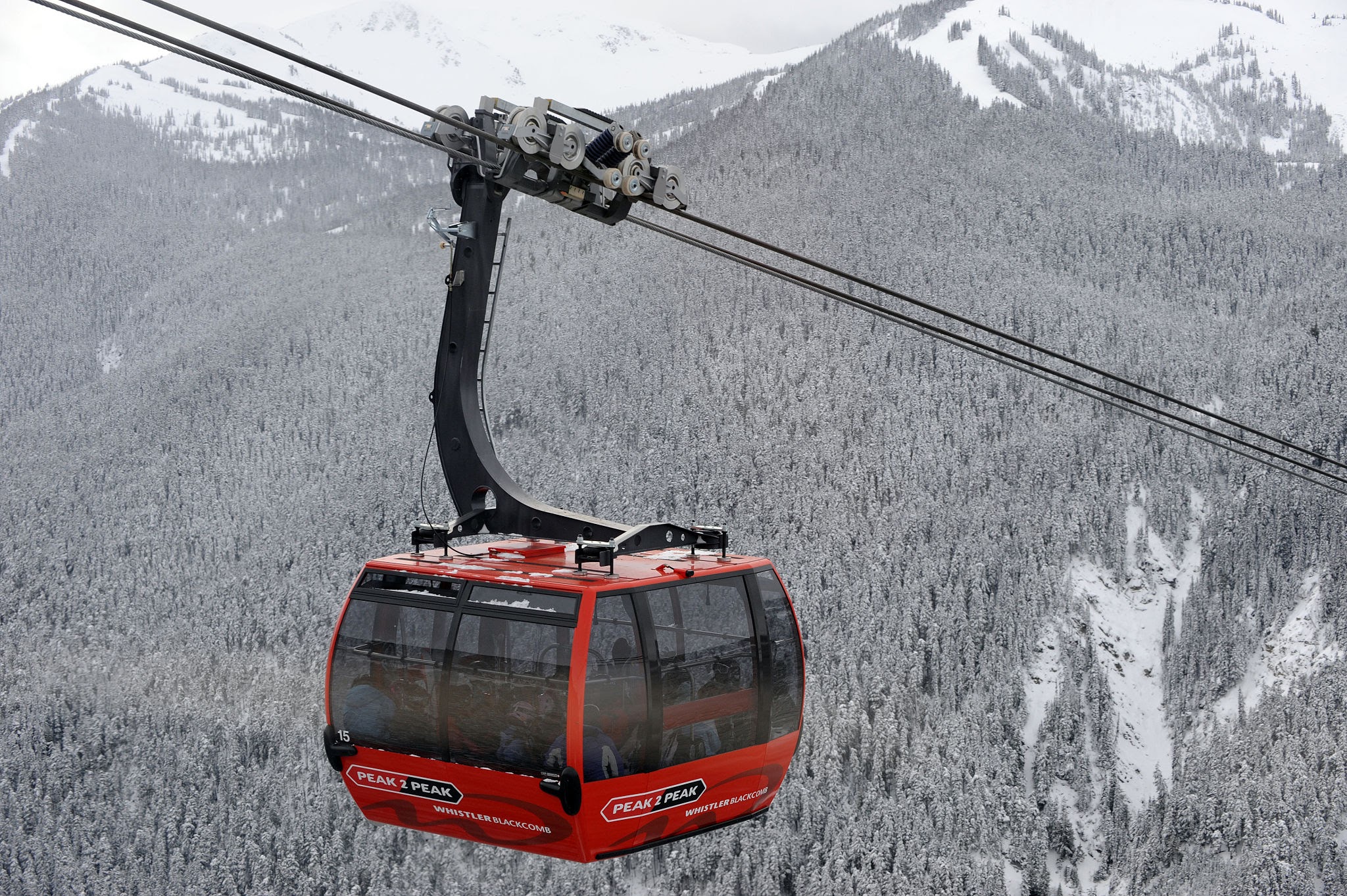
Kelowna & the Okanagan Valley
The Okanagan Valley produces some of Canada's best wine and sits in a desert microclimate that feels genuinely Mediterranean by BC standards. Okanagan Lake stretches 135 km through the valley and the sandy beaches at Kelowna and Penticton are legitimate summer destinations in their own right. The Naramata Bench wine region south of Penticton has over 40 wineries packed into a short stretch of road with views across the lake — excellent for cycling between tastings. The lake also has its own legendary creature, the Ogopogo, which has been entertaining tourists since the 1920s.
View full guide →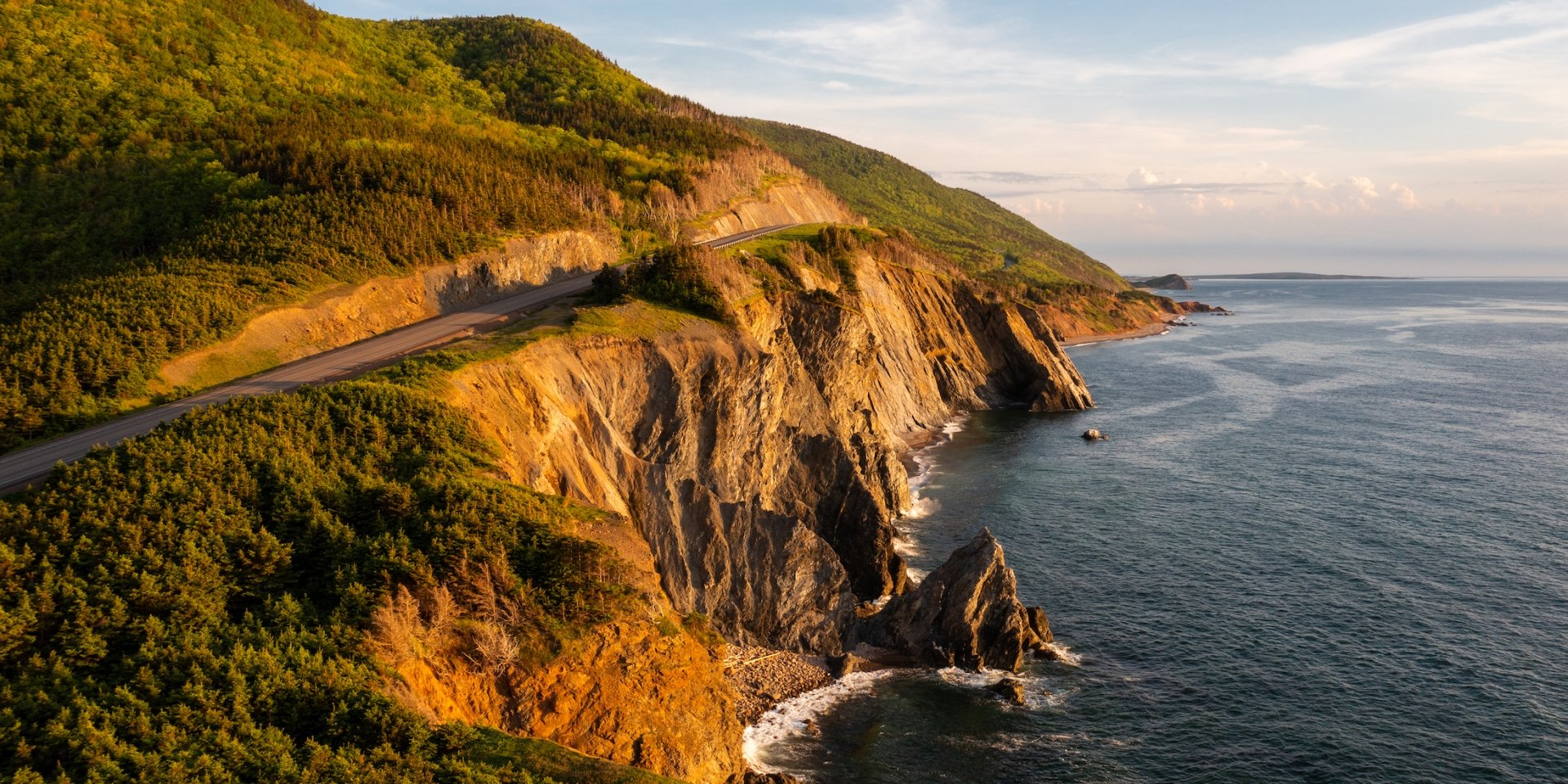
Victoria Inner Harbour
Victoria's Inner Harbour is one of the most photographed viewpoints in British Columbia for good reason. The BC Parliament Buildings and the Empress Hotel face the water directly, and in evening light with float planes landing and whale-watching boats departing, the scene is exactly what people imagine when they picture the Pacific Northwest. The harbour itself is a working waterway — seaplanes to Vancouver depart every 30 minutes, kayak tours launch at dawn, and First Nations cultural performers set up along the causeway in summer. The surrounding neighbourhood of James Bay has good independent restaurants and is worth exploring on foot.
View full guide →British Columbia Travel Guides
Stanley Park's Hidden Gems
Most visitors walk the Seawall and leave. Here's what you find if you head into the old-growth forest.
Granville Island Insider's Guide
The Public Market is just the starting point — studios, breweries and waterfront spots most visitors miss.
Whistler Beyond Ski Season
Hiking, mountain biking, zip-lining and glacier walks replace the powder from June through September.
Share Your British Columbia Experience