Top Attractions
7 Must-See Places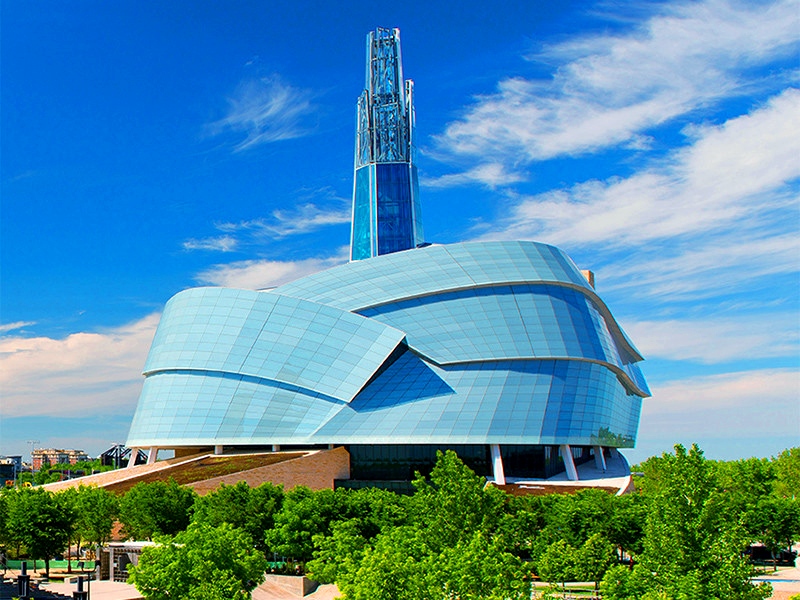
Canadian Museum for Human Rights
One of the most architecturally striking buildings in Canada and one of the most thought-provoking museums in North America — galleries covering the Holocaust, apartheid, Indigenous residential schools, and contemporary human rights arranged around an alabaster ramp designed to enact a literal ascent toward enlightenment.
View full guide →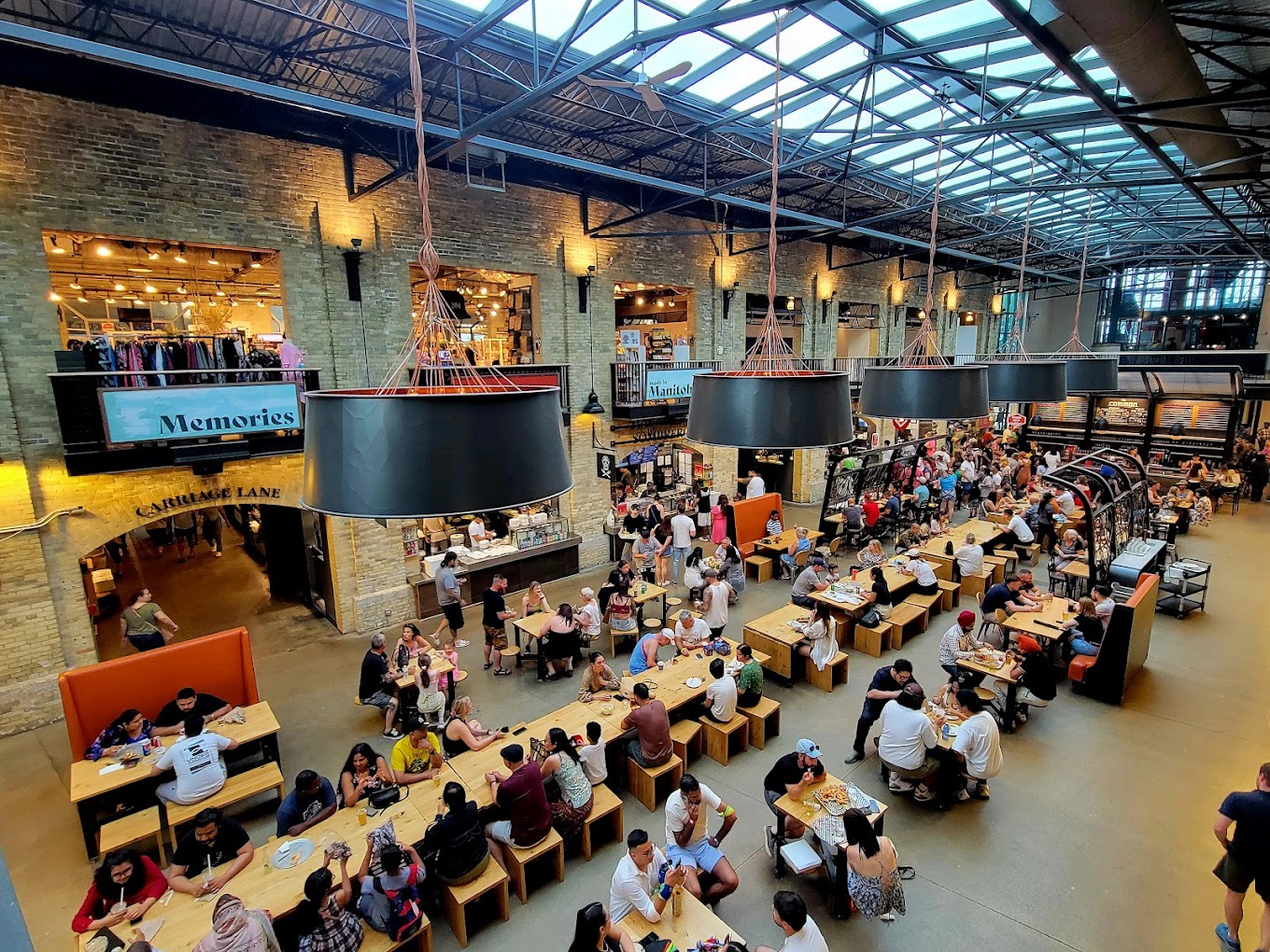
Churchill Polar Bears
The polar bear capital of the world — bears gather on the tundra around Churchill each October while waiting for Hudson Bay ice to form. Tundra Buggy tours provide close-range viewing from elevated vehicles. In July and August, several thousand beluga whales gather in the Churchill River estuary and can be seen from shore, by kayak, or by snorkelling.
View full guide →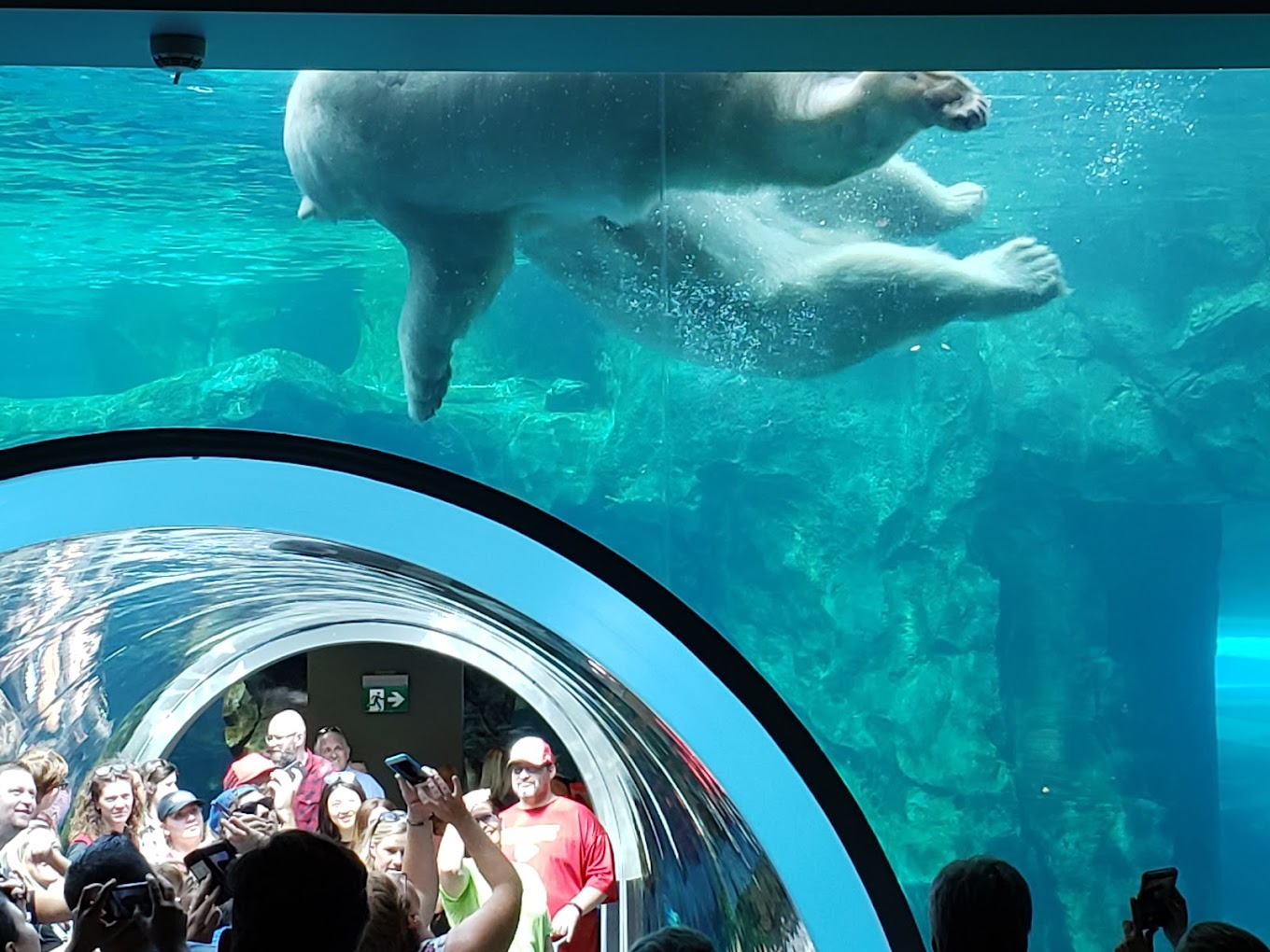
Assiniboine Park & Zoo
Winnipeg's largest park encompasses an English-style formal garden, a concert pavilion, a nature playground and the Assiniboine Park Zoo — home to the Journey to Churchill exhibit, a world-class polar bear habitat and Arctic species complex. The zoo's conservation focus and the polar bear viewing are the primary draws.
View full guide →
Riding Mountain National Park
An elevated plateau of boreal and mixed forest rising from the flat Manitoba prairie, with Clear Lake at its centre and a small resort community called Wasagaming on the shore. The park has excellent elk and black bear viewing, good cycling trails, and a particularly pleasant beach.
View full guide →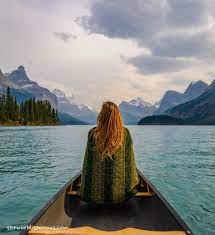
The Forks, Winnipeg
The confluence of the Red and Assiniboine Rivers has been a meeting place for 6,000 years and is now the most successful urban space in Winnipeg — a market, restaurants, river trail (skating in winter), and the remarkable setting for the Canadian Museum for Human Rights. The Red River Mutual Trail, when open, is the longest natural ice skating trail in the world at 9.2 kilometres.
View full guide →
Lake Winnipeg & Grand Beach
Lake Winnipeg is the tenth-largest freshwater lake in the world — larger than Lake Ontario — and its southern beaches at Grand Beach Provincial Park are among the finest in the Canadian interior. The sand dunes behind the beach rise up to 10 metres, and the water in the southern basin warms to genuinely swimmable temperatures by mid-July. The lake also has significant ecological importance as a drainage basin for much of the central continent, and its northern reaches are wilderness that few visitors outside Manitoba ever see. The drive from Winnipeg to Grand Beach takes under 90 minutes.
View full guide →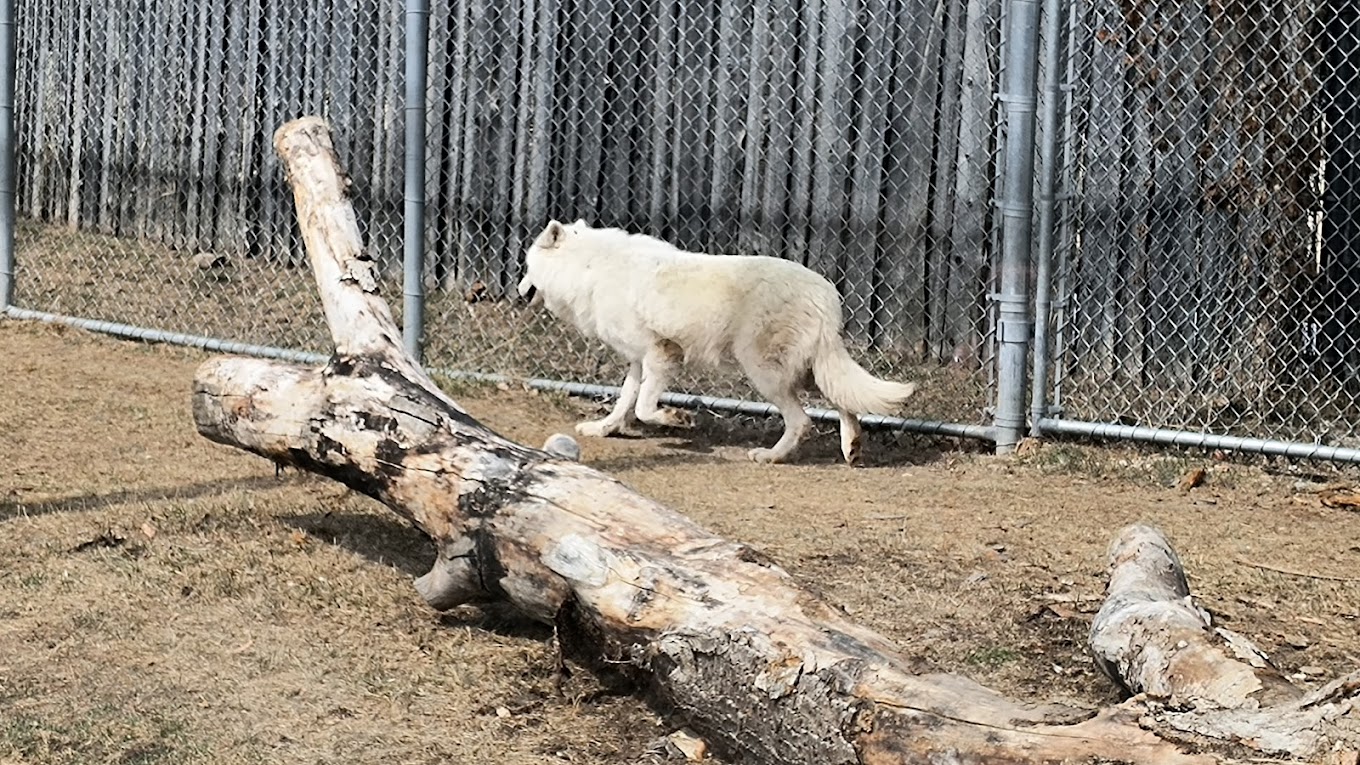
Winnipeg's Exchange District
The Exchange District is the largest collection of turn-of-the-century commercial architecture in Canada — over 150 heritage buildings in the Richardson Romanesque and Beaux-Arts styles that were built during Winnipeg's pre-1914 boom years when the city was the fastest-growing in North America. Today the neighbourhood functions as Winnipeg's arts and culture hub: the Manitoba Museum, Cinematheque, Royal MTC, and dozens of independent galleries and restaurants occupy buildings that were once grain exchanges, warehouses, and bank branches. The area is compact and walkable; a self-guided architecture tour can be done in two hours.
View full guide →Manitoba Travel Guides
Winnipeg's Canadian Museum for Human Rights
The most architecturally striking building in the prairies is also one of the most thought-provoking museums in North America.
Churchill: Polar Bears and Beluga Whales
Remote and expensive — and completely worth it. Here's how to plan the trip.
Prince Albert National Park
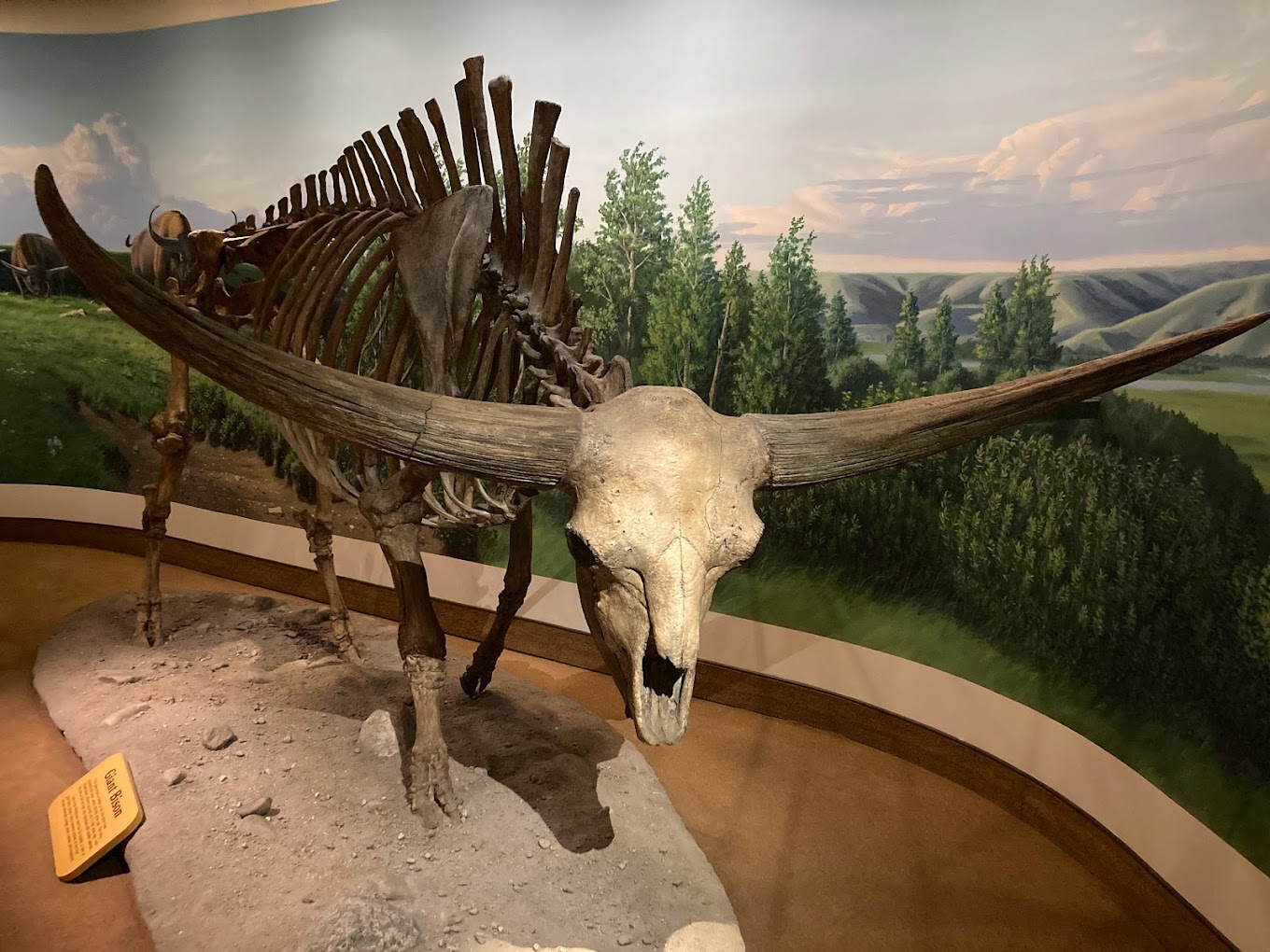
Saskatchewan's boreal wilderness with bison herds, wilderness canoe routes and Waskesiu village.
Share Your Manitoba Experience