Top Attractions
10 Must-See PlacesOntario stretches from the battered windswept shores of Lake Superior all the way to the Ottawa River valley. It is home to more than half of Canada's major tourist draws — from the mist of Niagara Falls to the gothic spires of Parliament Hill. Here are the places that deserve a spot on every itinerary.
Niagara Falls
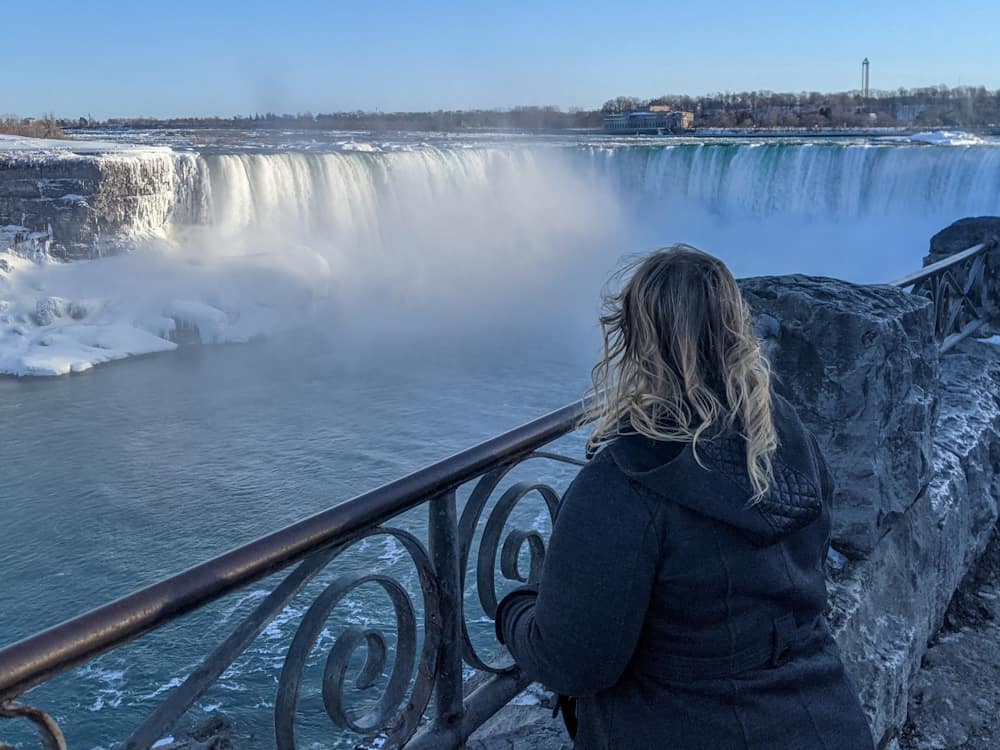
Few natural spectacles match the sheer, overwhelming power of Horseshoe Falls. Standing on the Canadian side you feel the spray on your face even from the observation deck, and on calm evenings the mist glows in the coloured floodlights long after sunset. Take the Hornblower boat cruise to get genuinely soaked right at the base of the falls — it's the one experience everyone says they'll skip and then immediately books a second time. The adjacent parkway is free to walk and stretches for kilometres along the Niagara River, making it one of the best value afternoons you can have in the province.
View full guide →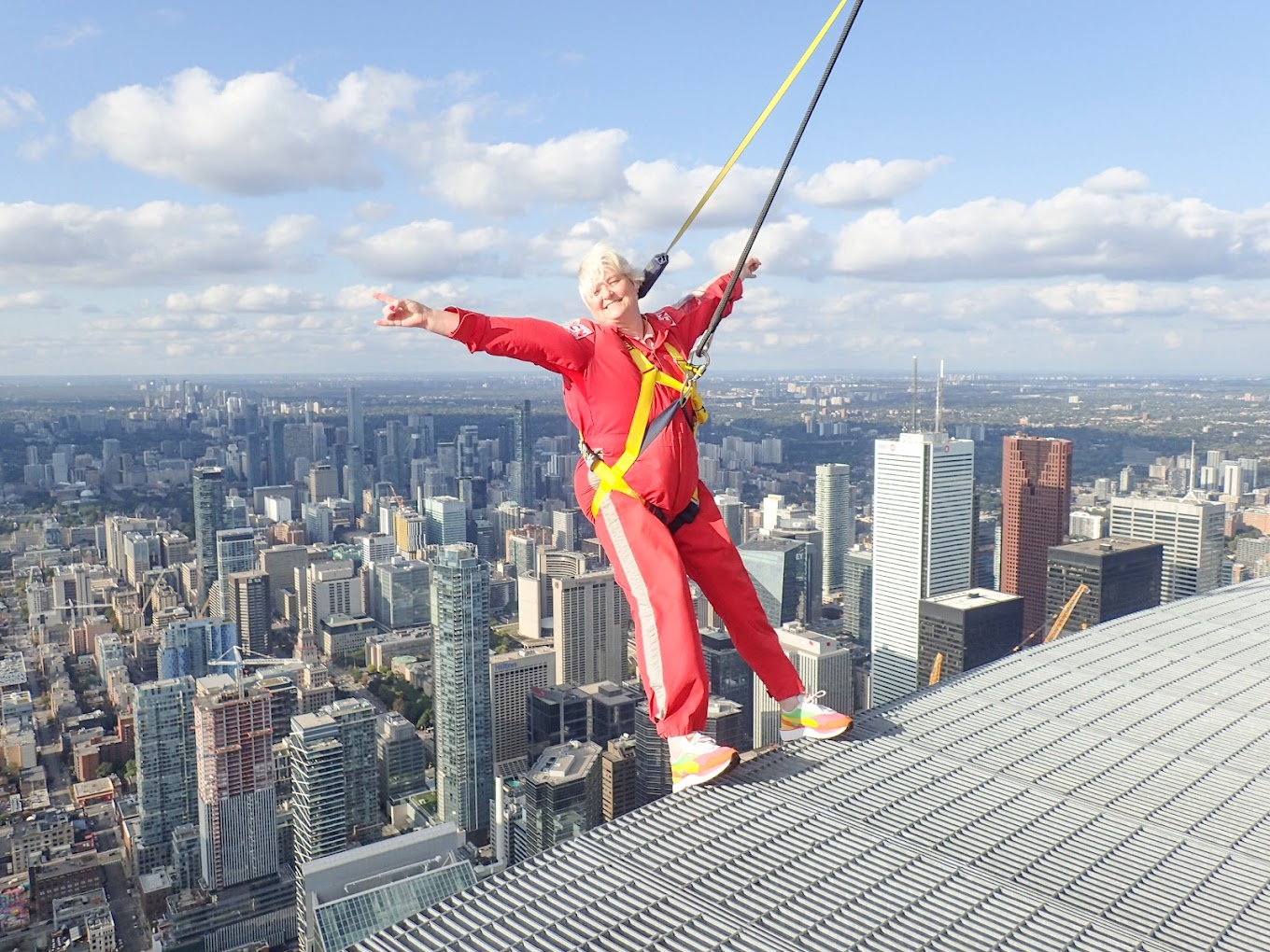
CN Tower EdgeWalk
Toronto's most talked-about adrenaline rush involves strapping into a full-body harness and walking around the outside of the CN Tower at 356 metres above the ground — hands-free, no railing in front of you, just the city and Lake Ontario stretching to the horizon. The experience lasts about 90 minutes including briefing and suiting up, with roughly 30 minutes on the ledge itself. Certified guides lead each group and the safety record is impeccable. If heights don't trouble you, it's genuinely unlike anything else in the country. Book weeks in advance in summer; slots disappear fast.
View full guide →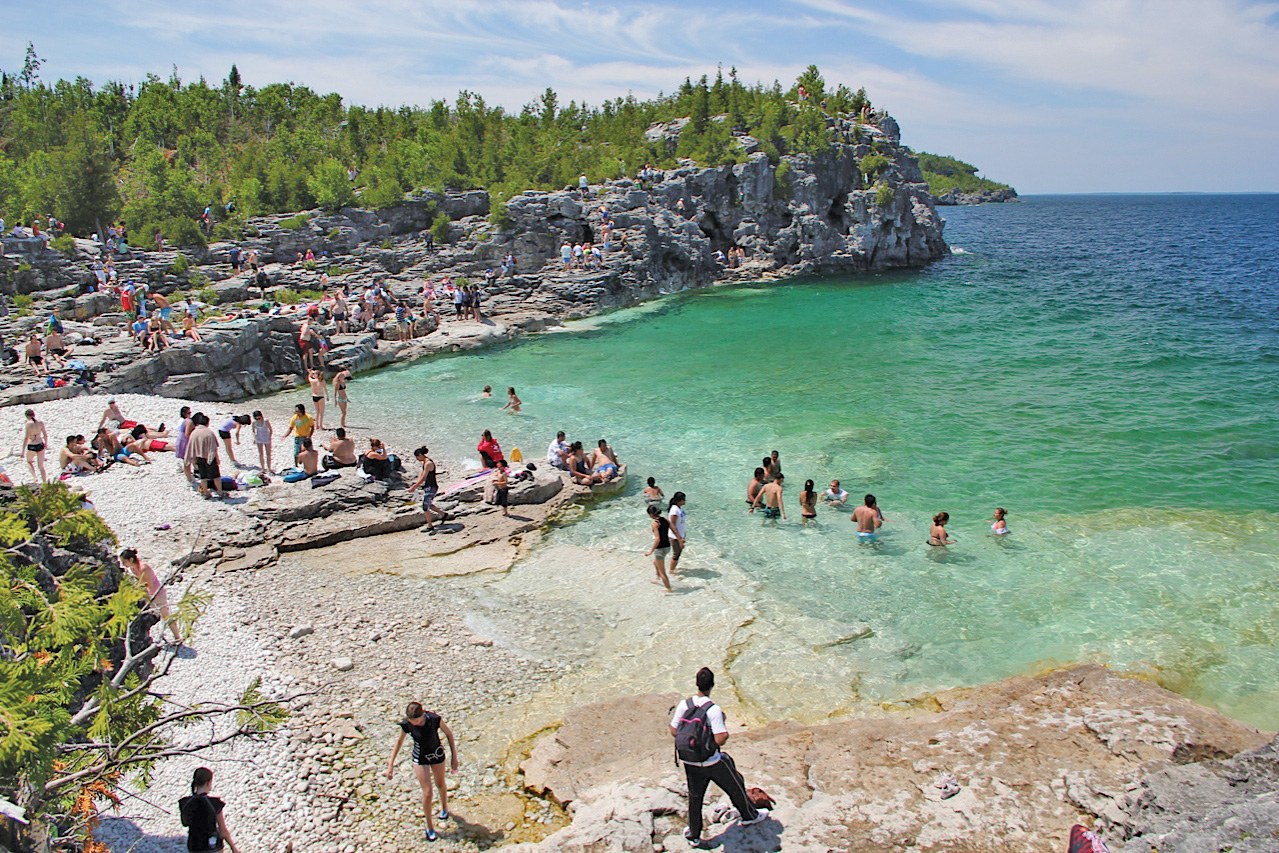
The Grotto, Bruce Peninsula
The Grotto is one of those places that photographers discover and then spend weeks trying to describe to everyone who wasn't there. It's a sea cave carved into the white limestone cliffs of Bruce Peninsula National Park, filled with water so clear and so glacially blue that photos of it look digitally enhanced — they're not. The trail from the parking area winds through cedars and over rock outcrops before arriving at the Georgian Bay shoreline. Summer weekends require a timed-entry reservation through the Parks Canada reservation system; arriving early on a weekday is far more peaceful and the light through the cave mouth is at its best before 10 a.m.
View full guide →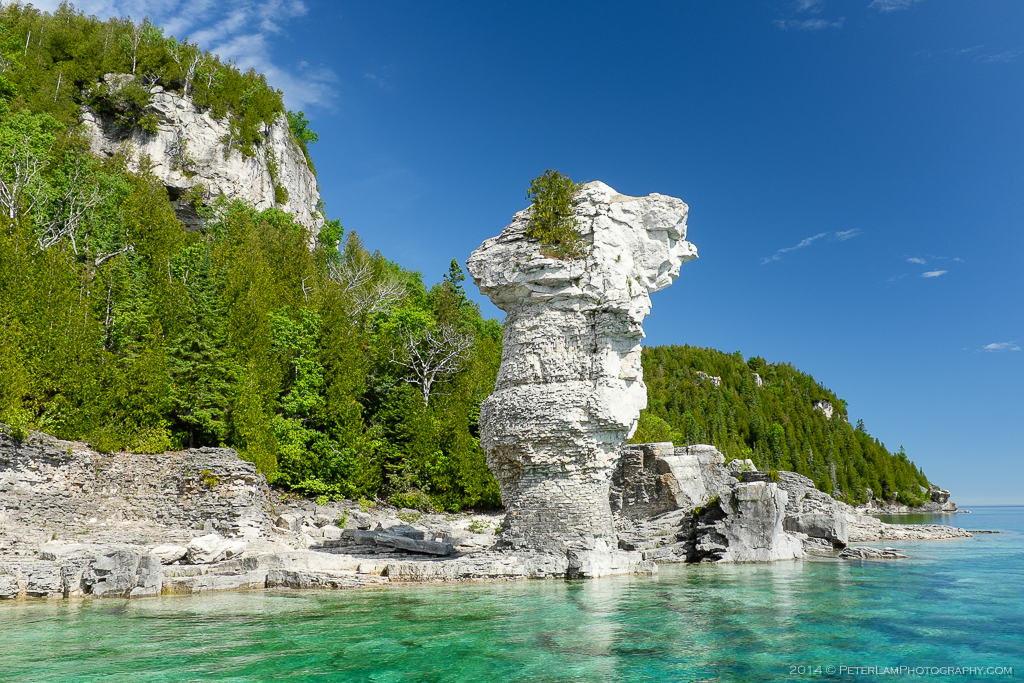
Flowerpot Island
Six and a half kilometres off the tip of the Bruce Peninsula, Flowerpot Island is accessible only by boat — which is part of its appeal. The island is named for its two famous sea stacks, towering pillars of rock left standing after the surrounding limestone was worn away by thousands of years of wave action. Beyond the sea stacks, a network of hiking trails leads to a historic lighthouse, shoreline caves, and a remarkable collection of rare orchid species. It's the only island in Fathom Five National Marine Park with camping facilities, so an overnight stay is absolutely worth considering if the calendar allows.
View full guide →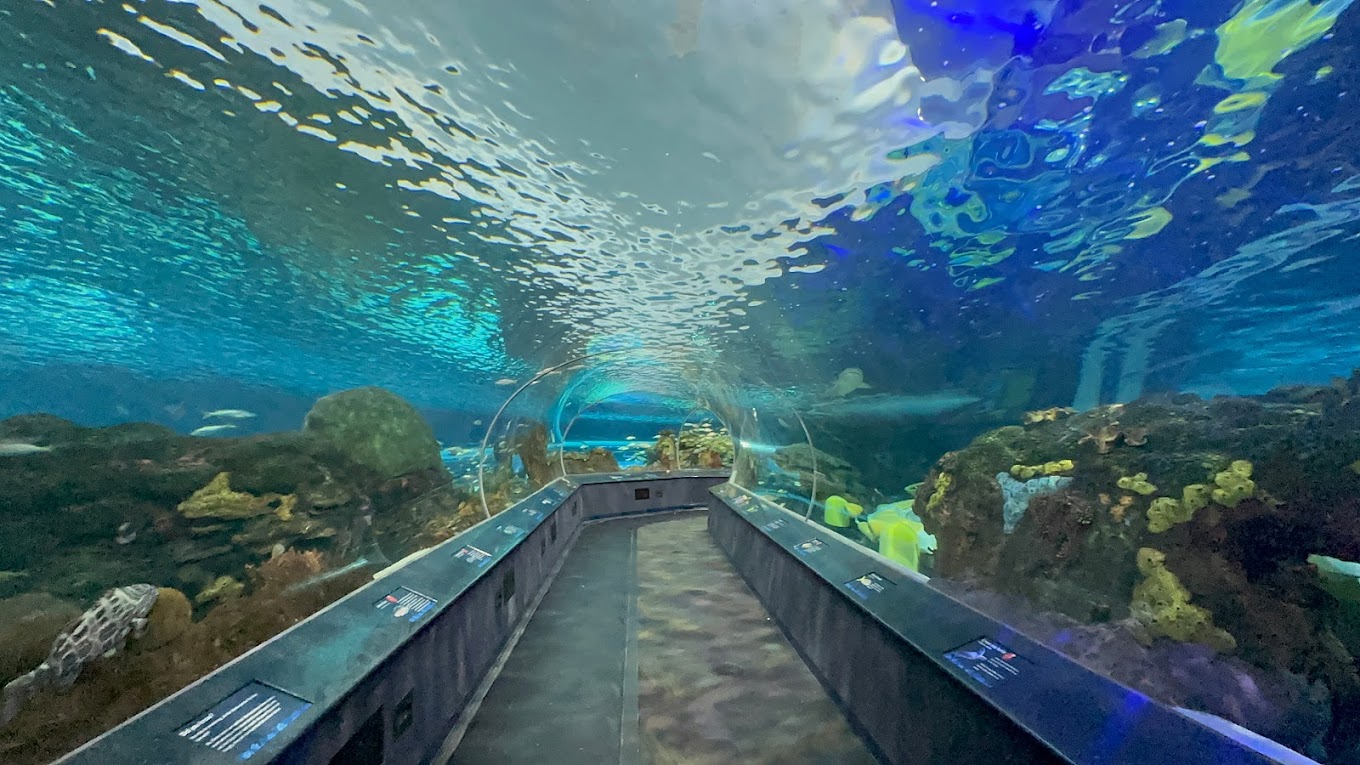
Ripley's Aquarium of Canada
Located in the shadow of the CN Tower, Ripley's Aquarium is consistently one of the top-rated attractions in all of Canada — not just Ontario. The centrepiece is a 97-metre underwater tunnel where sharks, sawfish and green sea turtles glide overhead while you stand on a slow-moving conveyor belt. The jellyfish gallery is hypnotically beautiful, and the touch pools in the Discovery Centre give kids a chance to handle horseshoe crabs and sea stars. Allow at least two hours. It's popular year-round so booking tickets online in advance saves considerable time at the door.
View full guide →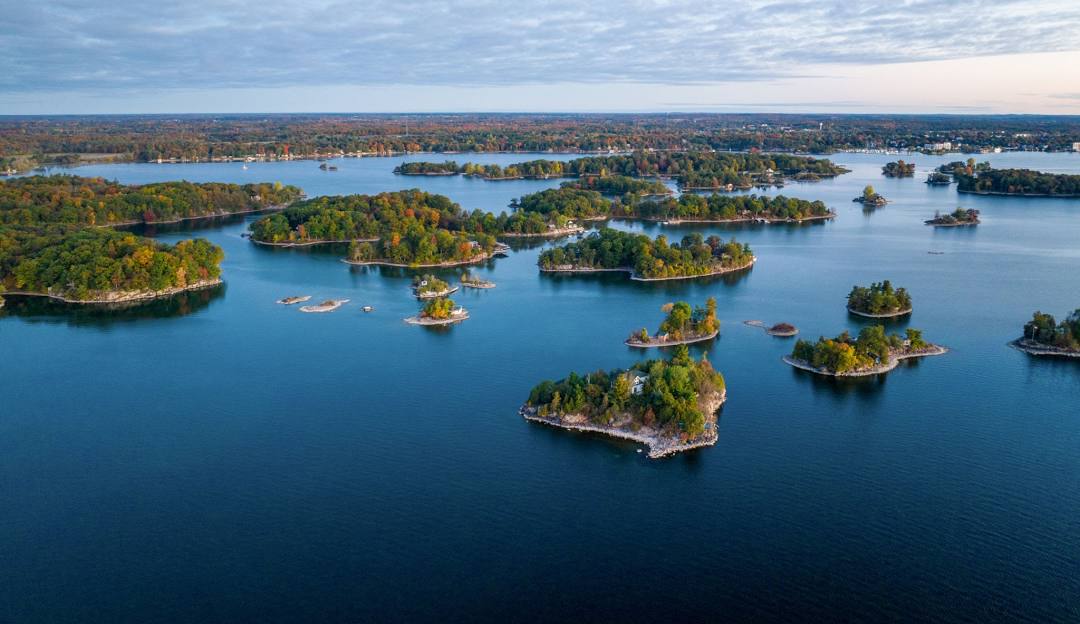
The 1000 Islands
Technically there are 1,864 islands scattered across a 50-kilometre stretch of the St. Lawrence River straddling the Ontario-New York border, but "Thousand Islands" stuck — and the name alone conjures the right image. A boat cruise from Gananoque or Kingston is the best way to see them, passing the elaborate Victorian mansions and fairy-tale castles that wealthy industrialists once built as summer escapes. Boldt Castle on Heart Island is the standout: a massive Rhineland-style palace started in 1900 for an American hotel magnate, left unfinished after his wife died, and now one of the most photographed ruins in North America.
View full guide →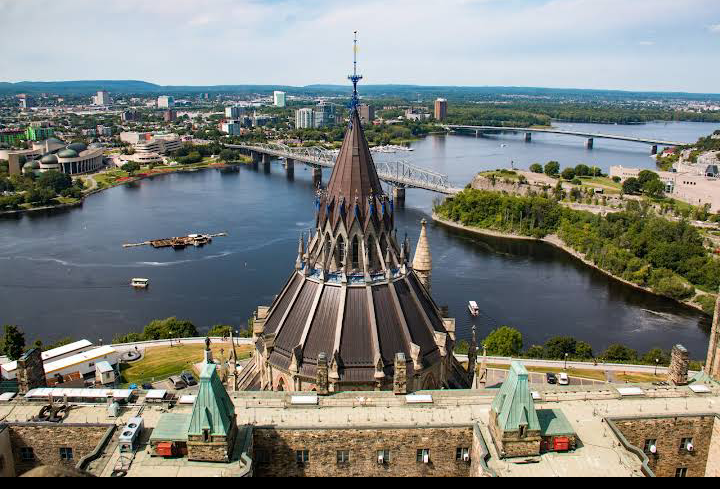
Parliament Hill, Ottawa
Parliament Hill is one of those places that looks exactly as dramatic in person as it does in every photograph — and that's saying something. The three Gothic revival limestone buildings sit on a bluff above the Ottawa River, their copper roofs turned green with age, their towers visible from kilometres away. Free guided tours run daily through the Centre Block during renovation periods via East Block, and the grounds are open year-round. The Changing of the Guard ceremony in summer draws large crowds; the Sound and Light show projected onto the Centre Block facade on summer evenings is free and genuinely impressive.
View full guide →
Niagara White Water Walk
The White Water Walk puts you at the bottom of the Niagara Gorge, right alongside the churning Class VI rapids that run between the falls and the whirlpool. A tunnelled elevator descends through the rock face to a 365-metre boardwalk bolted into the gorge wall. The water here moves at up to 48 km/h and the sound is as overwhelming as the view — it's an entirely different experience from the falls viewpoints above, and far less crowded. The gorge walls on both sides rise steeply in layers of dolostone and shale that tell 430 million years of geological history.
View full guide →
Algonquin Provincial Park
Algonquin is the oldest provincial park in Canada and one of the most ecologically rich. The Highway 60 corridor provides accessible entry points — the Visitor Centre, the Logging Museum, and a dozen maintained hiking trails. But Algonquin's real character is in the interior: over 2,000 km of canoe routes threading through a landscape of spruce bogs, old-growth forest, and Canadian Shield lakes. Moose are reliably spotted along the highway in early morning and at dusk, particularly in May and June. The park is a four-hour drive from Toronto and worth every kilometre.
View full guide →
Royal Ontario Museum
The ROM holds one of the largest natural history and world culture collections in North America. The dinosaur gallery on the third floor is the anchor attraction — the specimens are exceptionally well-lit and the fossil preparation quality is among the best in the country. Beyond the dinosaurs, the gallery of Canada's First Peoples is one of the most thoughtfully curated in any institution, and the bat cave exhibit is memorable for all ages. The building itself is part of the experience: architect Daniel Libeskind's jagged glass-and-aluminium addition jutting over Bloor Street has been argued about since the day it opened.
View full guide →Getting to Ontario
Toronto Pearson (YYZ) is Canada's busiest international airport with direct flights from most major cities worldwide. Billy Bishop Toronto City Airport (YTZ) serves select domestic routes.
The 400-series highways connect Toronto to most of the province. Niagara Falls is 1.5 hours south, Ottawa 4.5 hours east, and Tobermory 3.5 hours north of Toronto.
VIA Rail connects Toronto, Kingston, and Ottawa daily with comfortable corridor service. The train is especially practical for the Toronto–Ottawa route — city centre to city centre.
Book Niagara Falls hotels on the Canadian side for the better view. For the Bruce Peninsula, rent a car — no reliable transit connects the park. Ottawa's transit is excellent within the city.
Ontario on the Map
Ontario Travel Guides
The Complete Niagara Falls Visitor Guide
Everything from boat tours and viewpoints to the best restaurants and where to stay on the Canadian side.
Exploring Bruce Peninsula: Trails, Caves and Georgian Bay
A practical guide to The Grotto, the Bruce Trail, and the best swimming spots on the peninsula.
Parliament Hill and the Best of Ottawa
How to tour Parliament Hill, what to see in the ByWard Market, and why Ottawa deserves more than a day trip.
Share Your Ontario Experience