Top Attractions
7 Must-See Places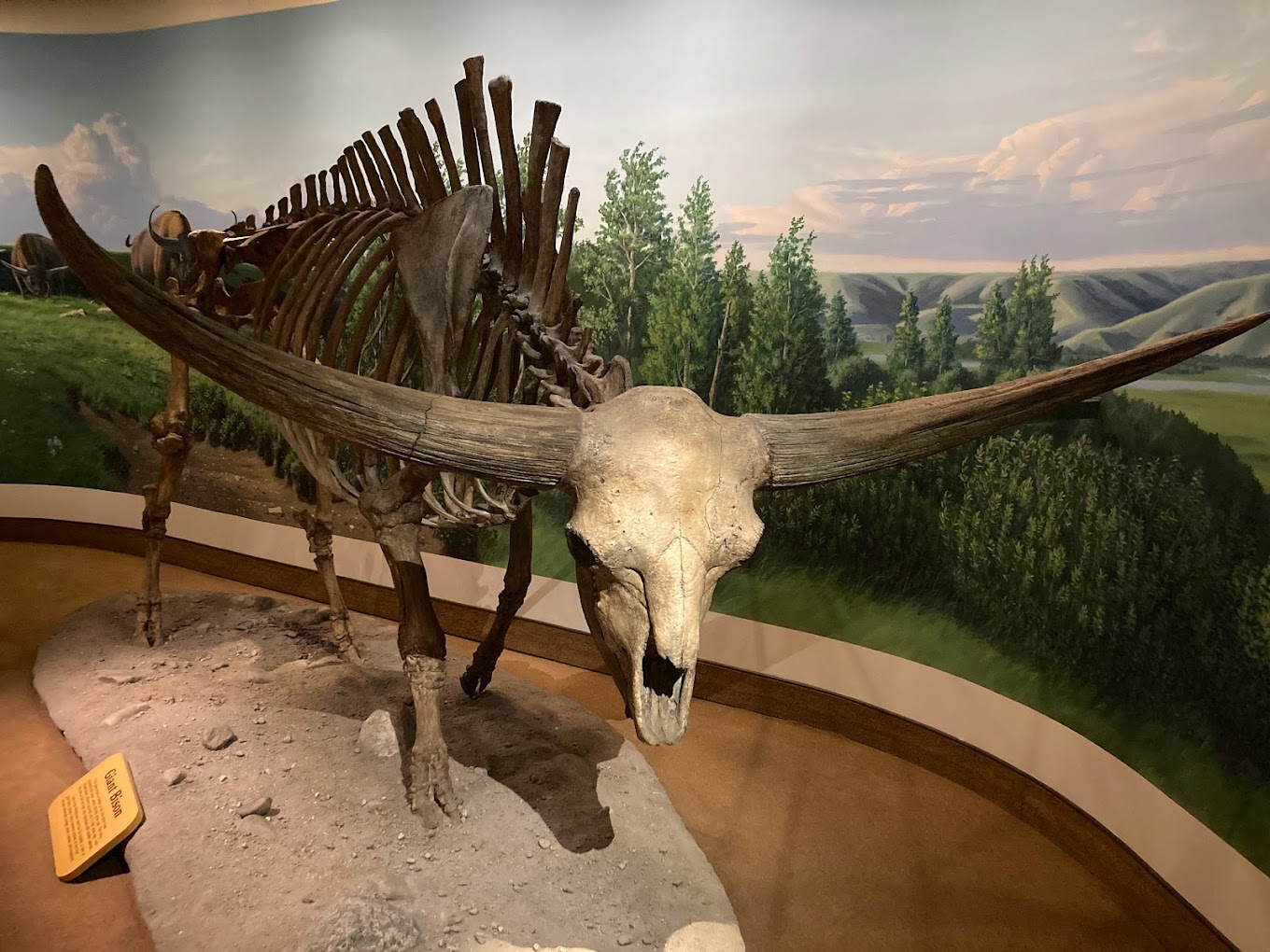
Prince Albert National Park
Saskatchewan's only national park is a 3,875 square kilometre block of boreal forest and lake country with an exceptional wildlife population — plains bison, wolves, elk, osprey and white pelicans. The village of Waskesiu on the lake shore has a sandy beach, golf course, and canoe rental — a pleasantly unhurried base for exploring the park.
View full guide →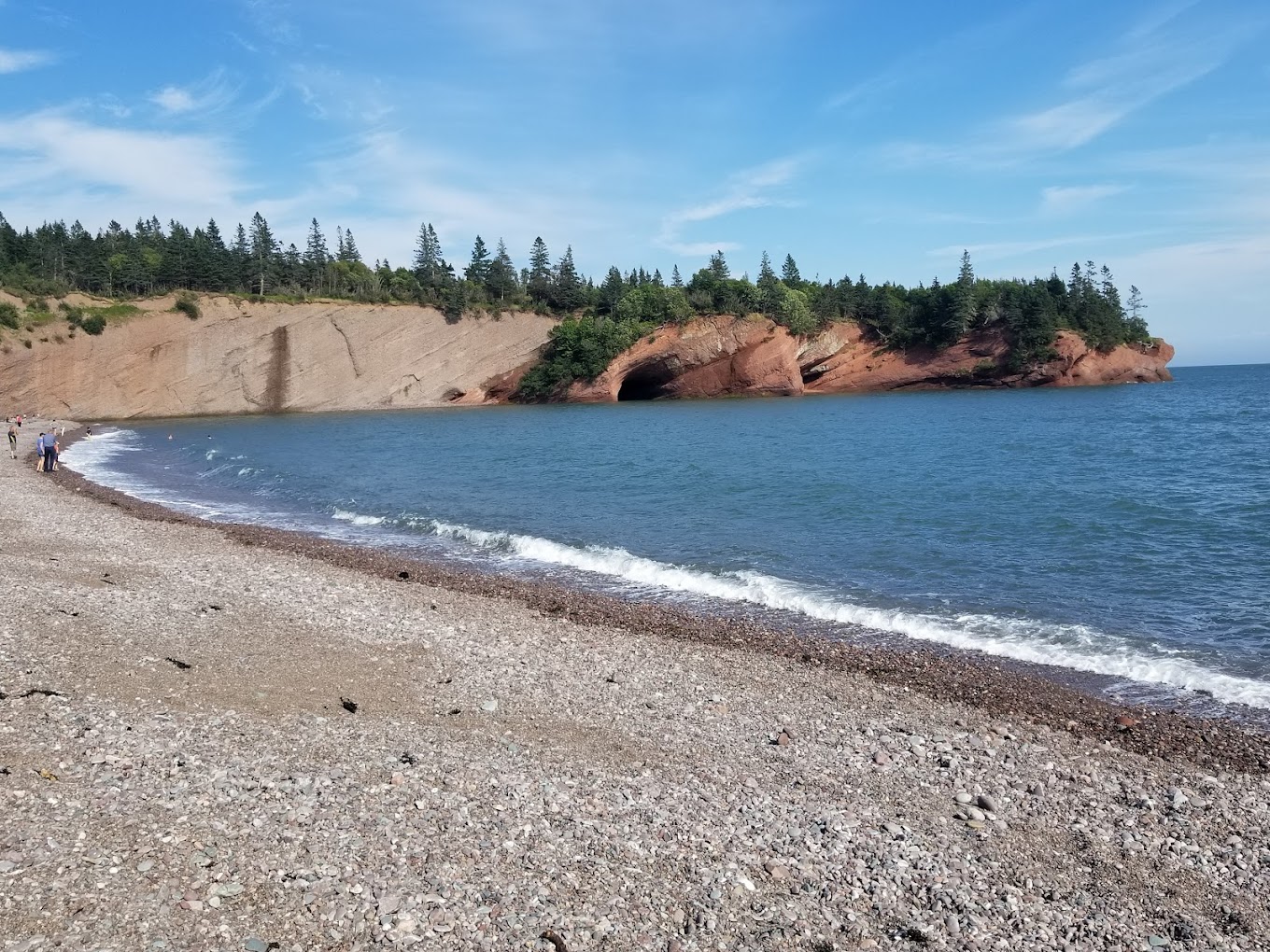
Wascana Centre, Regina
One of the largest urban parks in North America — 930 hectares of lake, gardens and greenspace in the centre of Regina, home to the Gothic Saskatchewan Legislative Building, the Royal Saskatchewan Museum, and an exceptional waterfowl population on the artificial lake. Almost completely unknown outside the province.
View full guide →
Qu'Appelle Valley
A glacially carved valley cutting across the flat prairie landscape, revealing a hidden world of lakes, cottonwood forest, and rolling hills within an otherwise featureless plain. The valley communities of Fort Qu'Appelle and Echo Valley Provincial Park offer swimming, fishing, and camping in a setting that surprises visitors expecting uninterrupted flat.
View full guide →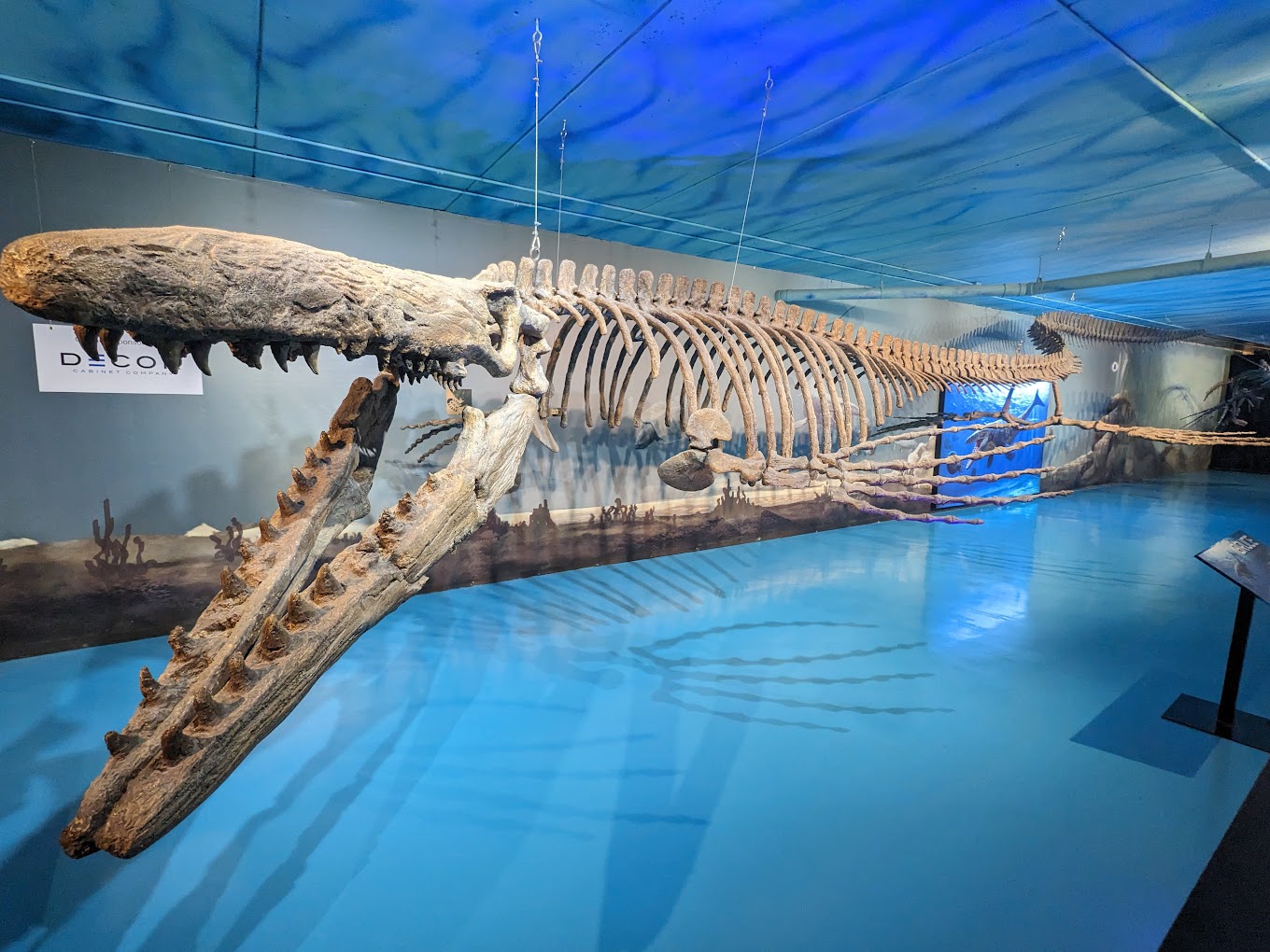
T. rex Discovery Centre, Eastend
Saskatchewan has produced some of North America's most significant dinosaur fossil discoveries, and the small town of Eastend is home to the T. rex Discovery Centre — the museum housing a cast of Scotty, the largest and most complete Tyrannosaurus rex ever found in Canada. The badlands landscape around the town is itself worth seeing.
View full guide →
Tunnels of Moose Jaw
A network of tunnels beneath the downtown of Moose Jaw, Saskatchewan, are the setting for theatrical guided tours covering two distinct historical narratives: the arrival of Chinese immigrant rail workers in the 1880s and a dubious but entertainingly told Al Capone connection. Historically colorful, family-friendly, and genuinely unusual.
View full guide →
Cypress Hills Interprovincial Park
Cypress Hills is the highest point of land between the Rocky Mountains and Labrador — a plateau of mixed forest that survived the last ice age and consequently has plant and animal species found nowhere else on the prairies. The park straddles the Alberta-Saskatchewan border and is one of Canada's designated Dark Sky Preserves, which makes it one of the best stargazing destinations in the country. The cypress trees are actually lodgepole pine (early French explorers confused the two), and the landscape of forested coulees, rangelands, and creek valleys is unlike anything else in the province.
View full guide →
Batoche National Historic Site
Batoche was the site of the final battle of the 1885 Northwest Resistance, where Métis forces under Gabriel Dumont held off a Canadian militia column for four days before running out of ammunition. The site preserves the original rifle pits, the rectory, and the church where many Métis families sheltered during the fighting. The interpretive centre tells the history of the Métis homeland along the South Saskatchewan River — the culture, the land, and the long political struggle for recognition that continued for more than a century after 1885. Batoche is a genuinely moving site that most non-Canadians know nothing about.
View full guide →Saskatchewan Travel Guides
Prince Albert Park and Waskesiu Village
Saskatchewan's national park has bison herds, wilderness canoe routes and one of the friendliest resort villages in Canada.
Regina and Wascana Centre
One of the largest urban parks in North America — most Canadians have never heard of it.
Churchill's Polar Bears and Belugas
Remote and expensive to reach — and completely worth it for one of Canada's great wildlife experiences.
Share Your Saskatchewan Experience