St. John's is the oldest city in North America and the most easterly — a fact that residents will mention early and often, and they're entitled to. The city sits on the edge of the Avalon Peninsula with its back to a deeply indented harbour, its face pointed directly at the North Atlantic, and a personality that has been shaped more by isolation, weather, and the fishery than by anything happening in the rest of Canada. It has about 115,000 people in the city proper and a distinct sense of itself: music pours out of bars on George Street every night of the week, the houses are painted colours that shouldn't work together and somehow do, and the fog that rolls in from the ocean can turn a clear afternoon into something medieval within twenty minutes.
What surprises most first-time visitors is how compact and walkable the core is. Signal Hill, downtown, the harbour, Quidi Vidi, and Jelly Bean Row are all within a short distance of each other. Give yourself at least three full days — two is enough to hit the landmarks but not enough to feel the place. Rent a car if you want Cape Spear and the southern Avalon, but the city itself rewards walking.
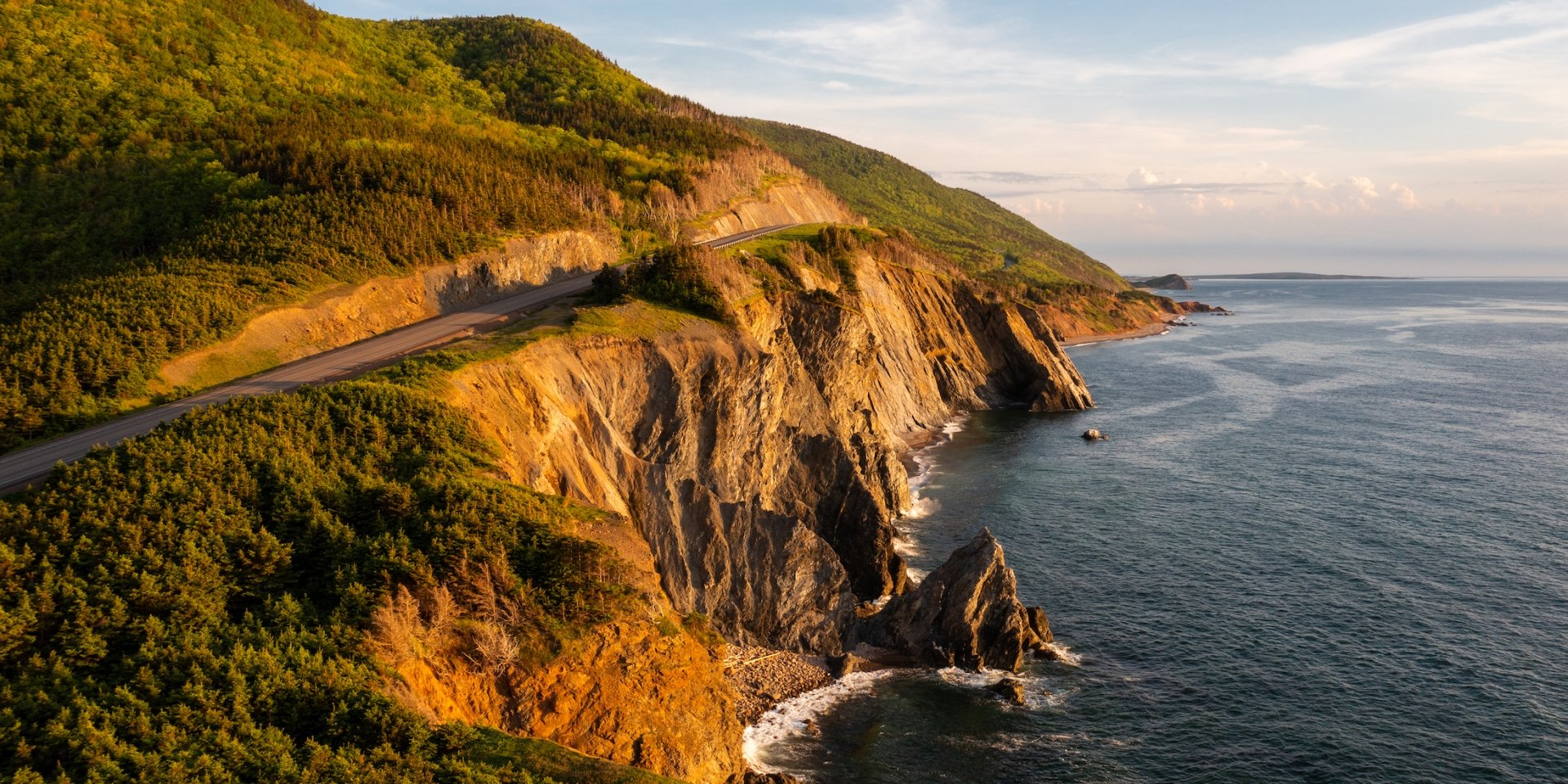
Signal Hill & Cabot Tower
Signal Hill rises 150 metres above the harbour entrance and has commanded this position since the 1700s — it was the site of the last battle of the Seven Years' War in North America in 1762, and the hill remained a military signal station for another century after that. The Cabot Tower at the summit was built in 1897 to commemorate both the 400th anniversary of John Cabot's landing and Queen Victoria's Diamond Jubilee. What makes Signal Hill permanently significant to anyone who cares about communications technology is that in December 1901, Guglielmo Marconi received the first transatlantic wireless telegraph signal here — the letter S in Morse code, transmitted from Cornwall, England. The tower is now a National Historic Site and a small museum inside explains the wireless experiment in satisfying technical detail.
The views from the top justify the climb on their own terms: the harbour entrance below, the open Atlantic stretching east with no land until Ireland, and on clear days the city spread out to the west. The Cuckold's Cove Trail and the North Head Trail run along the cliff edges and are genuinely dramatic walks — the North Head Trail in particular follows the ridge directly above the Narrows and requires reasonable footing. The hill gets wind at any time of year; bring a layer even in August.
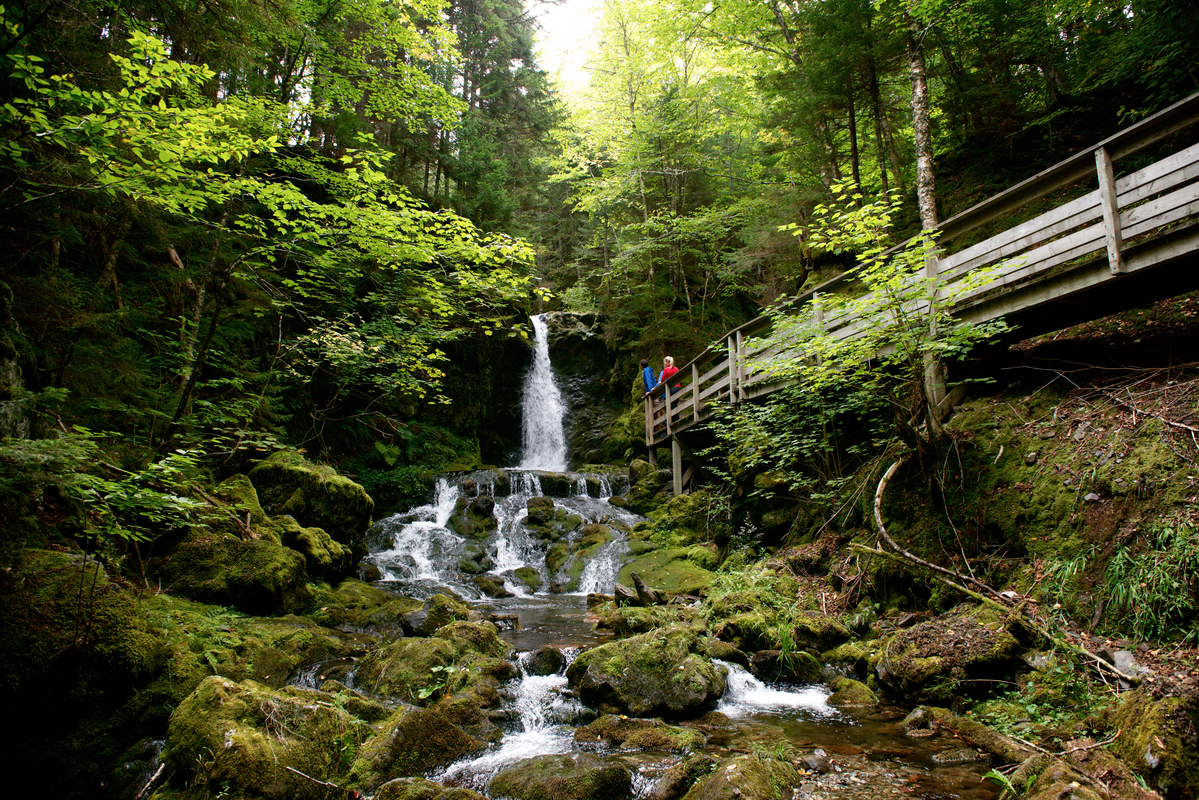
Jelly Bean Row & Downtown
The colourful painted row houses that cover the hillside above downtown St. John's are not a tourism invention — the tradition of painting wooden Victorian houses in intense, contrasting colours is genuinely old here, connected partly to practical identification (before street signs, sailors navigating the harbour used the colours to identify houses) and partly to a local taste that sees no reason to be restrained about it. The steepest concentrations are on Gower Street and the surrounding blocks, where houses painted in deep purple, orange, yellow, and turquoise sit side by side in arrangements that should look chaotic and instead feel completely coherent. These are lived-in houses, not a heritage district frozen in time.
Water Street is the main commercial spine of downtown, running parallel to the harbour and hosting a mix of local businesses, restaurants, and pubs that has survived the usual forces of chain-store homogenisation better than most Canadian city centres. Duckworth Street, one block up the hill, is slightly more arts-and-boutique in character. The connection between the two is a series of steep lanes and stairs that cut directly up the hill — Temperance Street and Bates Hill are the most photogenic. The Murray Premises at the bottom of Becks Cove is a preserved nineteenth-century waterfront complex now housing restaurants and retail.
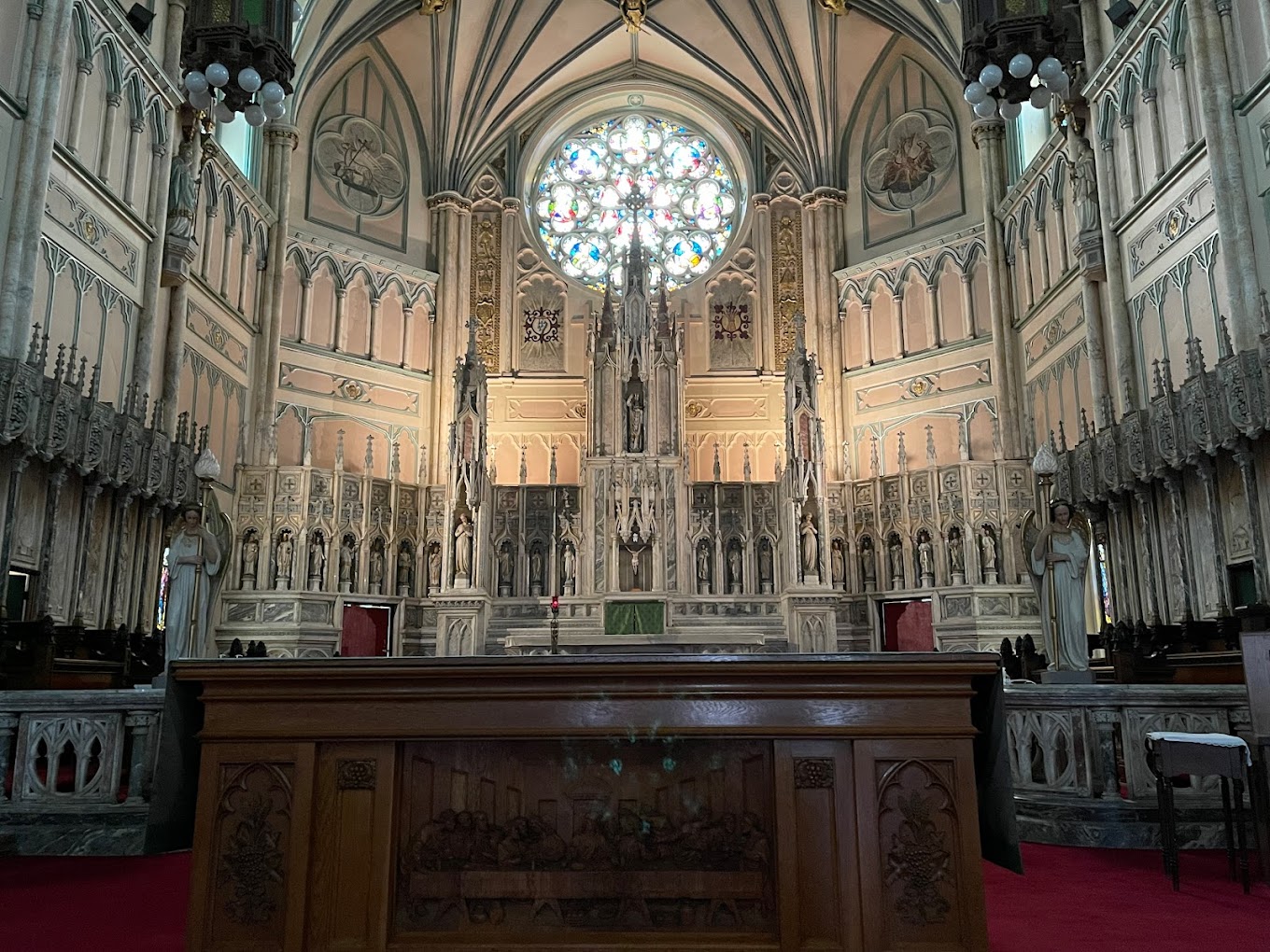
George Street
George Street is a single block-long pedestrian street that holds more bars and pubs per square metre than anywhere else in North America — the claim is verifiable and the density is genuinely remarkable, though what makes it work is less the numbers than the culture. The music is live and traditional, the crowd mixes locals and visitors without too much friction, and the noise level on a Thursday or Friday night is something you have to experience to calibrate properly. LSPU Hall, the Ship Inn, Christian's Pub, and Trapper John's are all legitimate institutions rather than tourist traps, and the sessions — informal traditional music gatherings — happen in several of them throughout the week.
The screech-in ceremony deserves brief explanation: it's an informal initiation ritual for "come-from-aways" (Newfoundland term for anyone not from the province) that involves reciting an oath in a fake Newfoundland accent, drinking a shot of Screech rum, and kissing a cod. It's performed at several bars on George Street and has been done so many times it borders on parody, but it remains good-natured and the rum is real. George Street Festival runs in late July and early August and expands the programming beyond the bars to the street itself.

Cape Spear National Historic Site
Cape Spear is the most easterly point of land in North America — 47°31'N, 52°37'W — and standing on the headland on a clear day with nothing but open Atlantic between you and Portugal puts the geography into immediate physical terms. The site has two lighthouses: the original 1836 stone lighthouse (the oldest surviving lighthouse in Newfoundland, now restored and open to visitors) and the automated 1955 replacement that still operates. The WWII gun batteries dug into the hillside are preserved and accessible, their reinforced concrete emplacements pointing seaward against a submarine threat that never materialised in force but was real enough at the time.
The hike along the headland is short — the main loop is under two kilometres — but the exposure is significant and conditions change fast. In spring, Cape Spear is one of the best vantage points on the Avalon for watching icebergs drift south on the Labrador Current; they can pass within a kilometre of the point. The drive from St. John's is about 20 minutes via Route 11, and the site is operated by Parks Canada with a small admission fee in season.
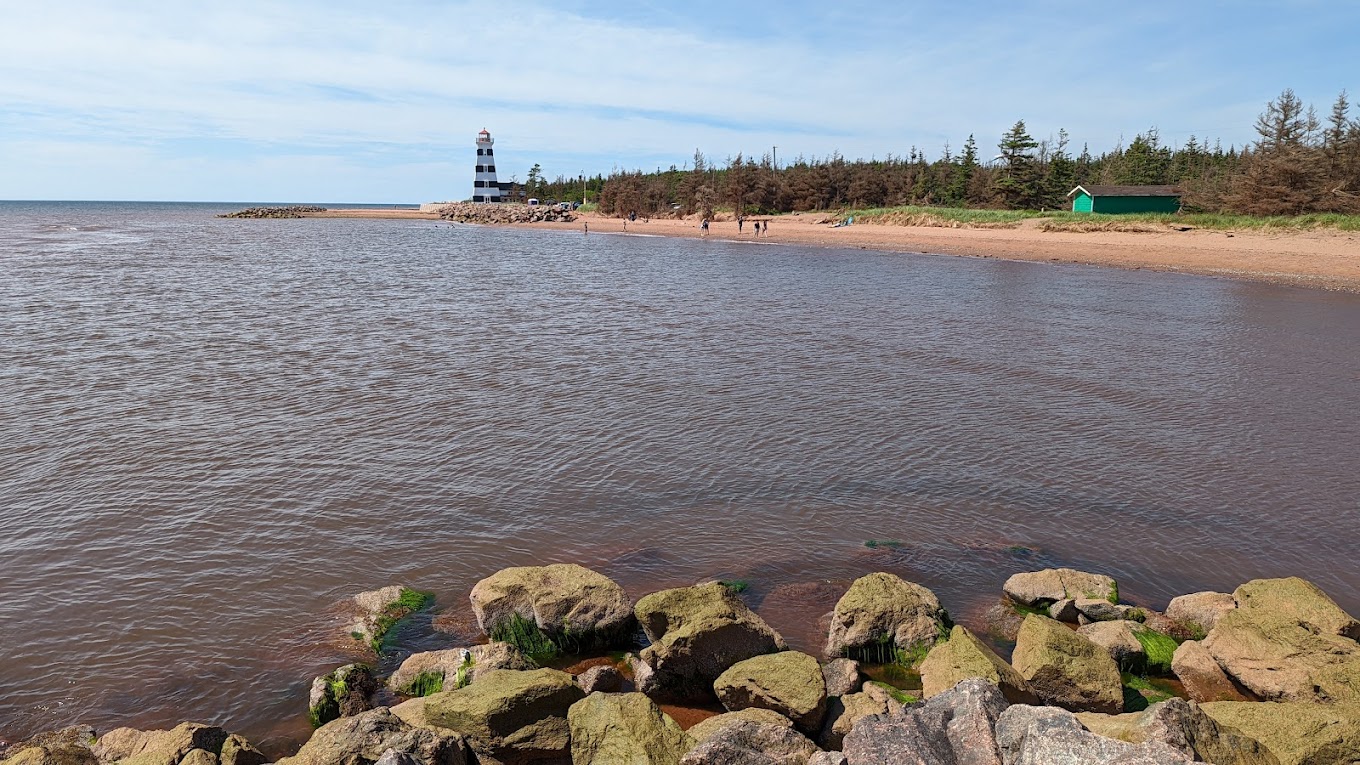
Quidi Vidi Village & Brewery
Quidi Vidi (pronounced "Kiddy Viddy" by locals, never any other way) is a small fishing village tucked into a cove less than two kilometres from downtown St. John's, separated from the city by a low ridge that makes it feel much more isolated than it is. The settlement is one of the oldest in North America and was already established when the first formal surveys of St. John's were being made — a handful of houses, stages (wooden fish-processing platforms), and boats have occupied this cove in some form since the late 1500s. The current village has art studios, a handful of houses, and the Quidi Vidi Brewery, which occupies a converted fish store at the water's edge and produces Iceberg Beer (brewed with actual iceberg water), 1892 Traditional Ale, and a range of seasonal releases.
The Royal St. John's Regatta, held on the first Wednesday in August on Quidi Vidi Lake, is the oldest continuing sporting event in North America — fixed-seat rowing races have been held here since 1826. The lake sits immediately above the village, and on Regatta Day the entire city takes a statutory holiday. Outside of regatta week, the lake path is a pleasant flat walk popular with locals year-round.
The Rooms Provincial Museum
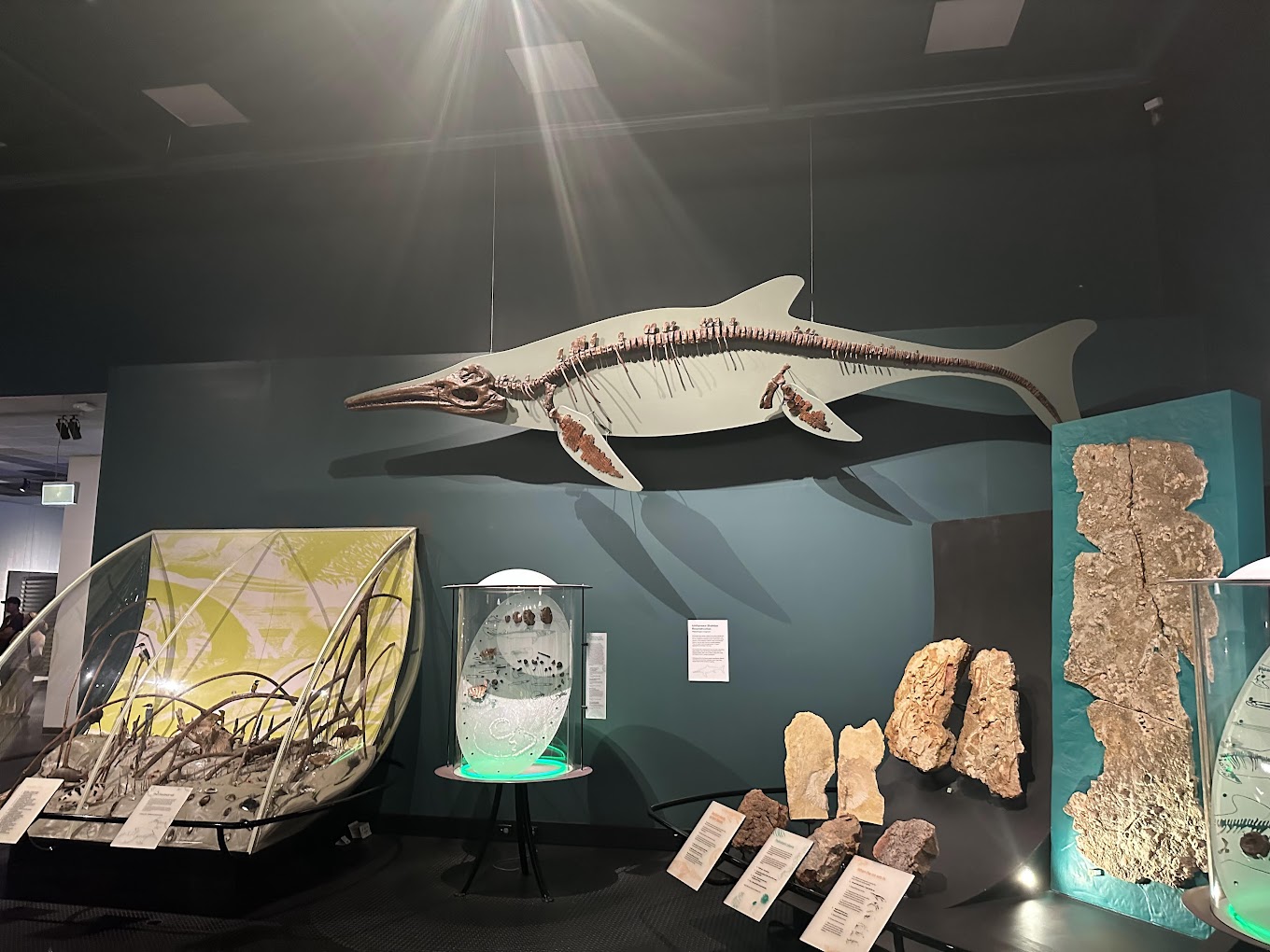
The Rooms opened in 2005 and consolidates under one roof what would elsewhere be three separate institutions: the Provincial Museum of Newfoundland and Labrador, the Provincial Art Gallery, and the Provincial Archives. The building is striking — a modern structure on a cliff above the city designed to evoke the traditional fishing "rooms" (stages and outbuildings) of outport Newfoundland, with large windows that look directly out over St. John's Harbour. The architecture is genuinely successful rather than just gesturally referential. The permanent collection covers Newfoundland and Labrador's natural history, Indigenous peoples (Beothuk, Mi'kmaq, Innu, and Inuit), the European fishery, the two world wars (Newfoundland had its own regiment at Beaumont-Hamel in 1916, before Confederation), and the political history of the province including the 1949 confederation vote.
The art gallery component has the strongest collection of work by Newfoundland artists of any institution, including Christopher Pratt, Mary Pratt, David Blackwood, and Gerry Squires. The archives hold the documentary record of the province and are accessible to researchers. The Rooms is on Bonaventure Avenue above Military Road, a ten-minute walk uphill from downtown.
Iceberg and Whale Watching from St. John's
The icebergs that drift past the Newfoundland coast every spring calved from glaciers in Greenland and Baffin Island, sometimes three years earlier, and travel south on the Labrador Current in numbers that vary significantly from year to year. The peak is typically late April through early June. In good years, bergs are visible from Signal Hill and Cape Spear without binoculars — genuine blue-white towers of ancient ice drifting past on a grey sea. The Iceberg Finder website (icebergfinder.com) tracks reported sightings and is worth checking before you make the drive to the headlands. Icebergs can also be seen from boat tours operating out of St. John's harbour.
Humpback and minke whales arrive on the Newfoundland coast following the capelin (small schooling fish) and are present from June through September. O'Brien's Whale and Bird Tours operates out of Bay Bulls, about 30 kilometres south of St. John's, and runs morning and afternoon departures to the Witless Bay Ecological Reserve — home to the largest Atlantic puffin colony in North America (over 260,000 pairs) and significant numbers of murres, razorbills, and kittiwakes. The boat tours go directly to the colony islands and humpback sightings on the reserve tours are reliable in July and August.
Getting to St. John's
St. John's is served by St. John's International Airport (YYT), located about eight kilometres from downtown. Air Canada, WestJet, and Porter fly direct from Toronto, Montreal, Ottawa, and Halifax; there are no direct transatlantic commercial services. The drive from the airport to downtown takes about 15 minutes. There is no public transit connection from the airport — taxi, rideshare, or rental car are the options. Driving to St. John's from mainland Canada is possible via the Marine Atlantic ferry from North Sydney, Nova Scotia to Channel-Port aux Basques (roughly 7 hours crossing, then a 9-hour drive across the island on the Trans-Canada), or the longer ferry route to Argentia on the Avalon Peninsula (14–16 hours, seasonal). Flying is faster for most visitors but the ferry crossing is an experience in itself, especially if the sea is running.
Share your St. John's experience
Powered by TravelGuide Comments — share your thoughts on each attraction above.