Top Attractions
10 Must-See PlacesQuebec is unlike anywhere else in North America. The province is predominantly French-speaking, with a culture, cuisine, and architecture that feels genuinely European — yet unmistakably Canadian. Old Quebec City is the only fortified city north of Mexico, and Montréal has one of the most vibrant food and festival cultures on the continent. Beyond the cities, the Laurentian Mountains, the Gaspé Peninsula, and the St. Lawrence estuary offer some of the most dramatic landscapes in eastern Canada.
Old Quebec City & Château Frontenac
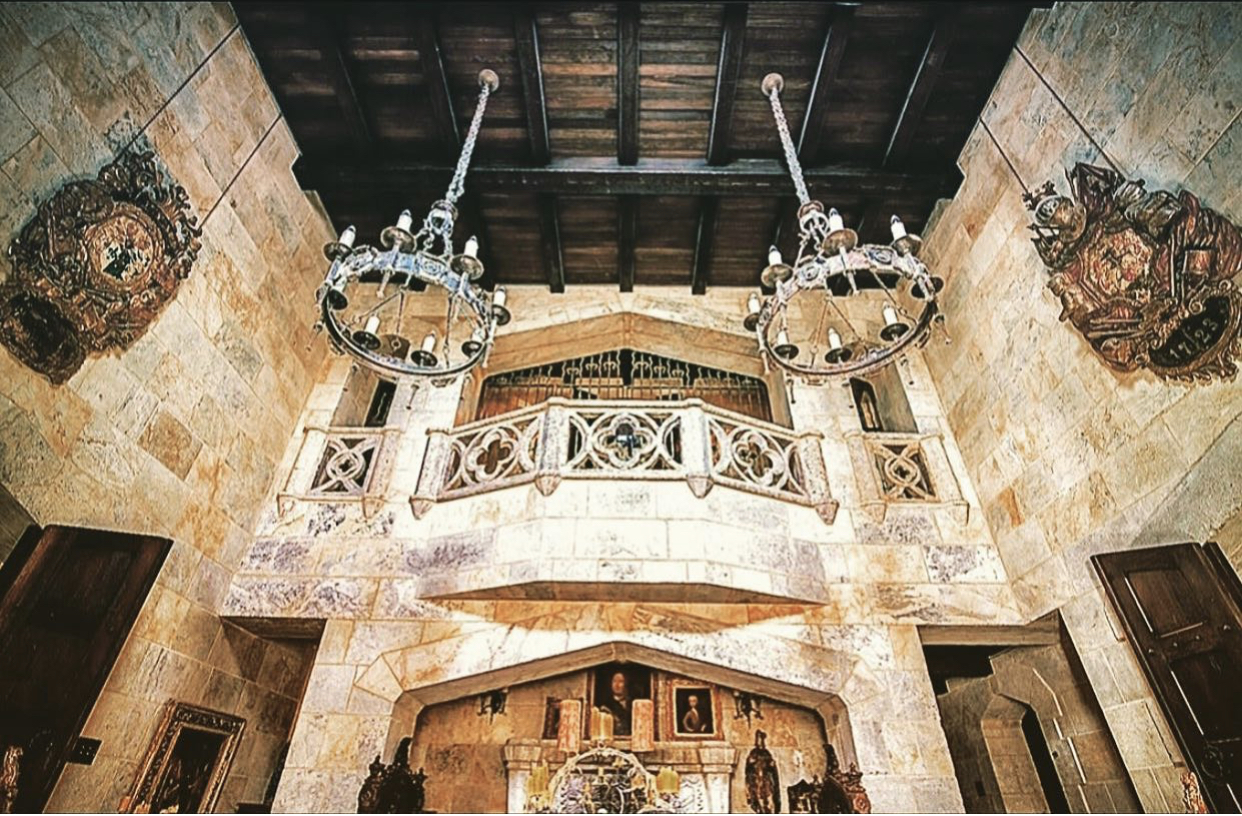
Old Quebec is a UNESCO World Heritage Site and one of the most atmospheric places in all of Canada. The Upper Town sits atop a dramatic cliff above the St. Lawrence, its narrow cobblestone lanes lined with 17th and 18th century stone buildings that have been preserved with extraordinary care. Dominating the skyline from almost every angle is the Château Frontenac — a grand railway hotel built in 1893 that has become the most photographed hotel in the world. Walk the fortification walls that still encircle the old city, explore the Lower Town's Rue du Petit-Champlain, and allow a full day to do it justice. In winter, the ice hotel and Quebec Winter Carnival transform the entire city into something out of a fairy tale.
View itineraries →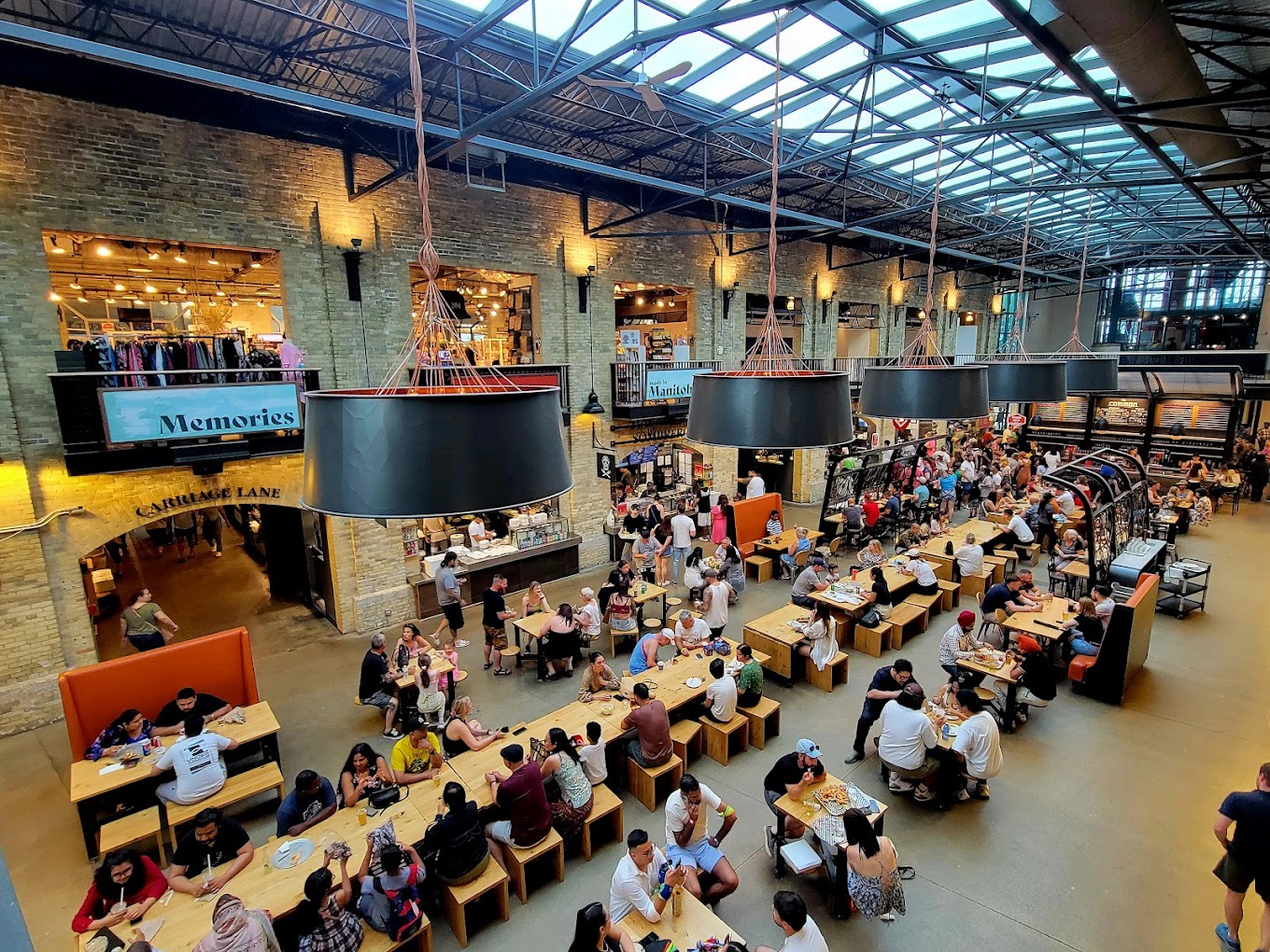
Jean-Talon Market, Montréal
Jean-Talon is one of the largest open-air markets in North America and the clearest single expression of what makes Montréal food culture special. The market has been operating in the Little Italy neighbourhood since 1933, and on a Saturday morning in September — when the Quebec harvest is at its peak — it is genuinely one of the best food experiences in the country. Local producers bring in produce you won't find at any supermarket: heirloom tomatoes in a dozen varieties, wild mushrooms, fiddleheads in spring, apple cider in fall. The surrounding neighbourhood has excellent bakeries, butchers, and cheese shops that make it easy to spend an entire morning here.
Quebec food guide →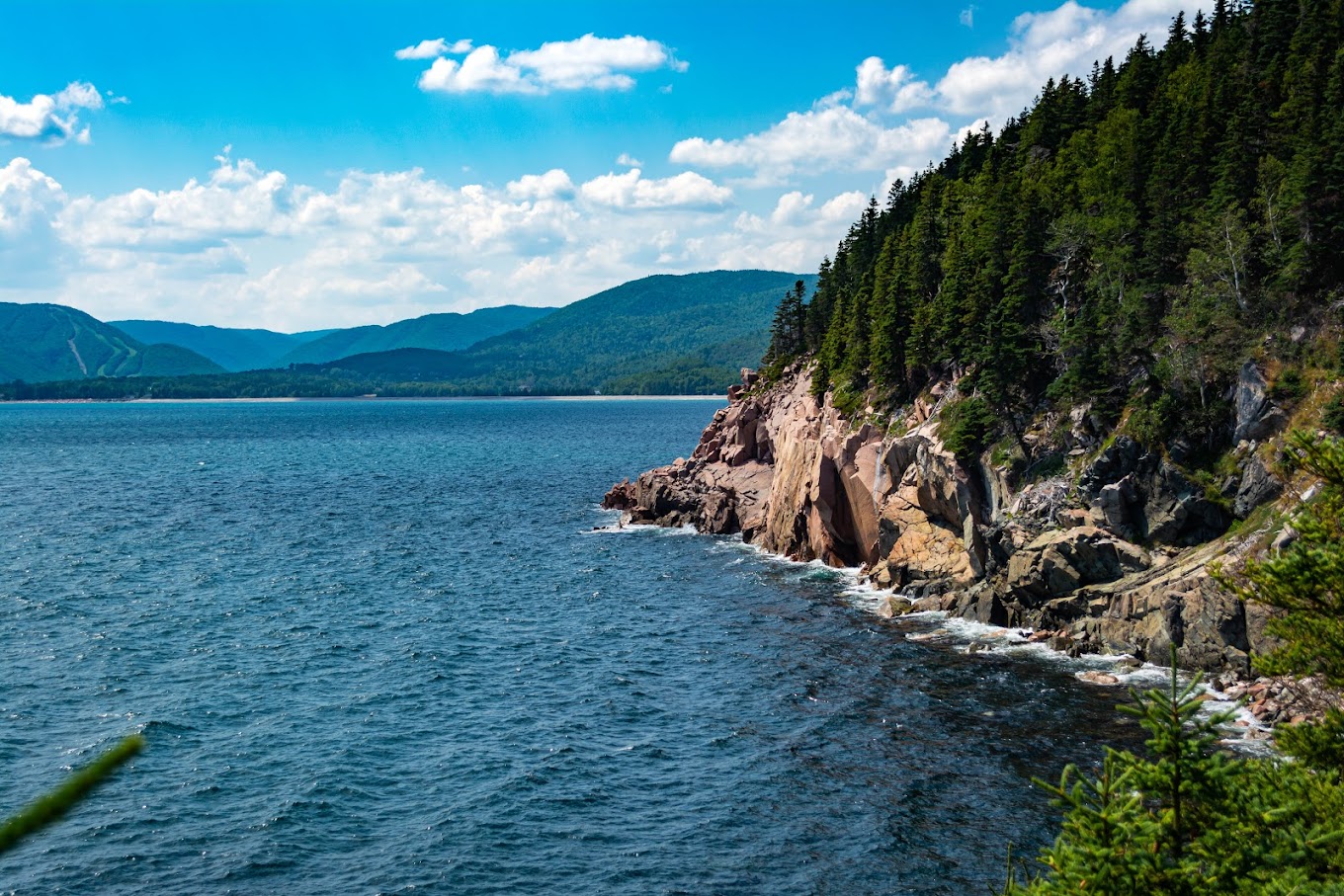
Mont-Tremblant
Mont-Tremblant is the premier four-season resort in eastern Canada. In winter it draws skiers from across the continent to its 102 runs and reliable snowpack — the pedestrian village at the base, modelled on a traditional Quebec town, is genuinely charming rather than corporate. But summer and fall are equally worthwhile: the mountain opens for mountain biking, the hiking trails through Parc national du Mont-Tremblant are excellent, and the fall foliage in the Laurentians peaks in late September with a richness of red maple and yellow birch that rivals anything in New England. The village itself is a 90-minute drive from Montréal, making it a realistic day trip or an easy overnight.
Best time to visit →
Montmorency Falls
Just 12 kilometres east of Old Quebec, Montmorency Falls drops 83 metres into the St. Lawrence — 30 metres taller than Niagara, though considerably narrower. The falls can be seen from a suspension bridge across the top, from a cable car that runs up the cliff face, or from the base via a long staircase. In winter, spray from the falls freezes into a massive cone of ice at the base — called the "sugarloaf" — that forms reliably every year and has been a Quebec City landmark for centuries. The park surrounding the falls is free to enter; the cable car is a small additional cost but worth it for the aerial view.
View itineraries →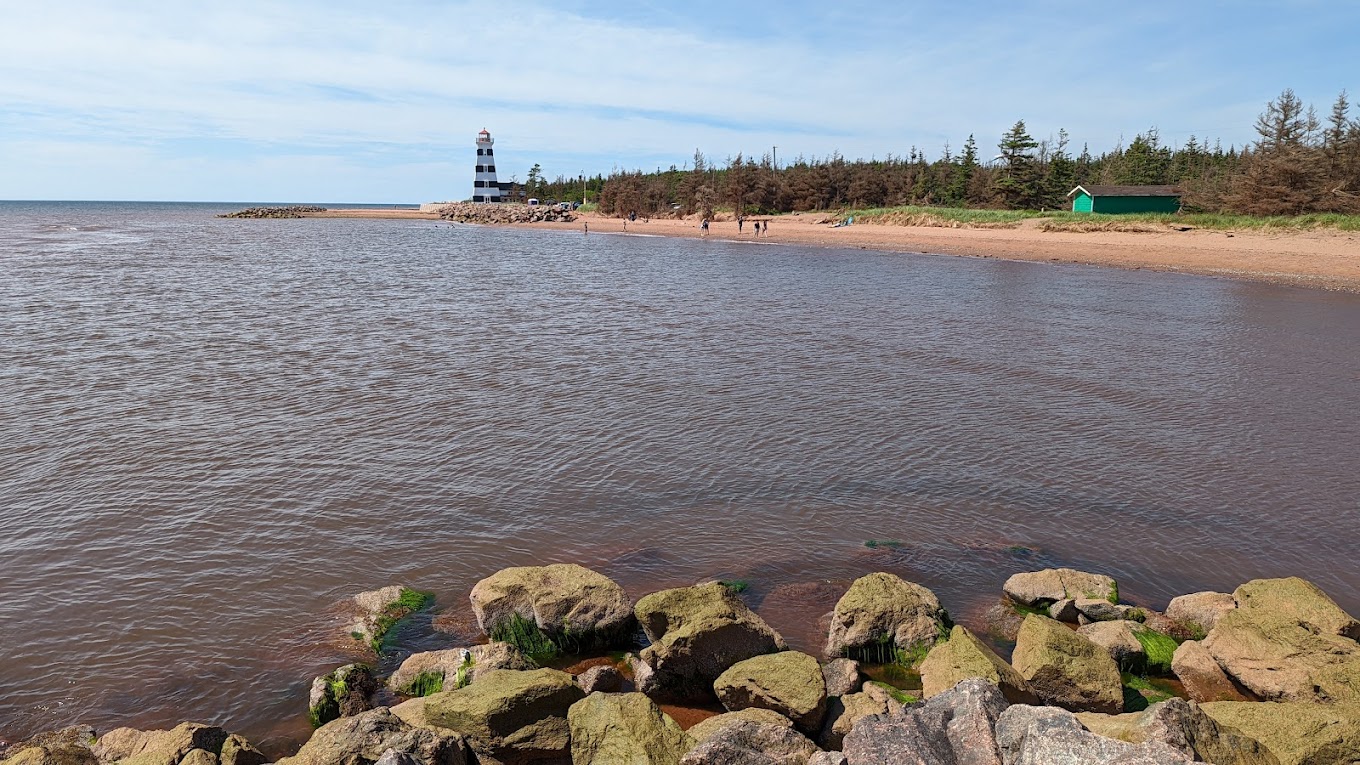
Percé Rock & Bonaventure Island
At the tip of the Gaspé Peninsula, where the land finally runs out into the Gulf of St. Lawrence, sits Percé Rock — a massive limestone monolith rising 88 metres from the sea, pierced by a natural arch 15 metres high. At low tide you can walk out to the base of the rock across the tidal flat. A short boat ride away, Bonaventure Island is home to one of the world's largest accessible northern gannet colonies — roughly 120,000 birds that nest on the island's cliffs every summer. Watching the gannets dive from height into the water around the boat is one of those wildlife encounters that stays with you. The Gaspésie route to get there is one of the best road trips in eastern Canada.
View itineraries →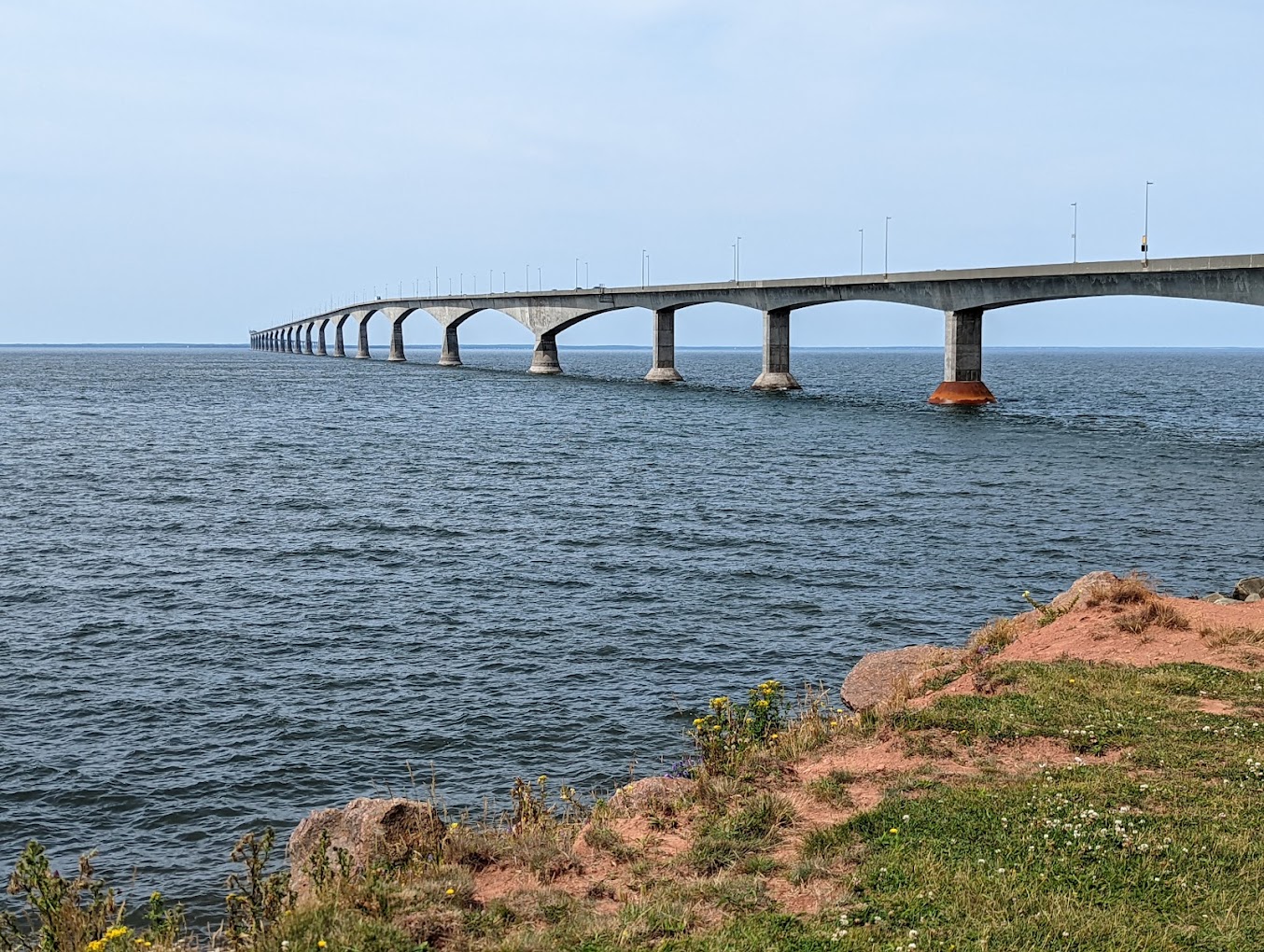
Old Port of Montréal
The Old Port stretches for 2.5 kilometres along the St. Lawrence in the heart of Montréal, and the restoration of its 19th-century warehouses into restaurants, galleries, hotels, and public spaces has been one of the most successful urban renewal projects in Canadian history. The Bonsecours Market — a neoclassical building from 1847 — anchors the historic section. In summer the waterfront fills with food trucks, pop-up cinemas, and the La Ronde amusement park just upriver. In winter the outdoor skating rink in the Old Port is one of the best in the country. The underground museum complex beneath Place Royale traces Montréal's history back to its 1642 founding.
View itineraries →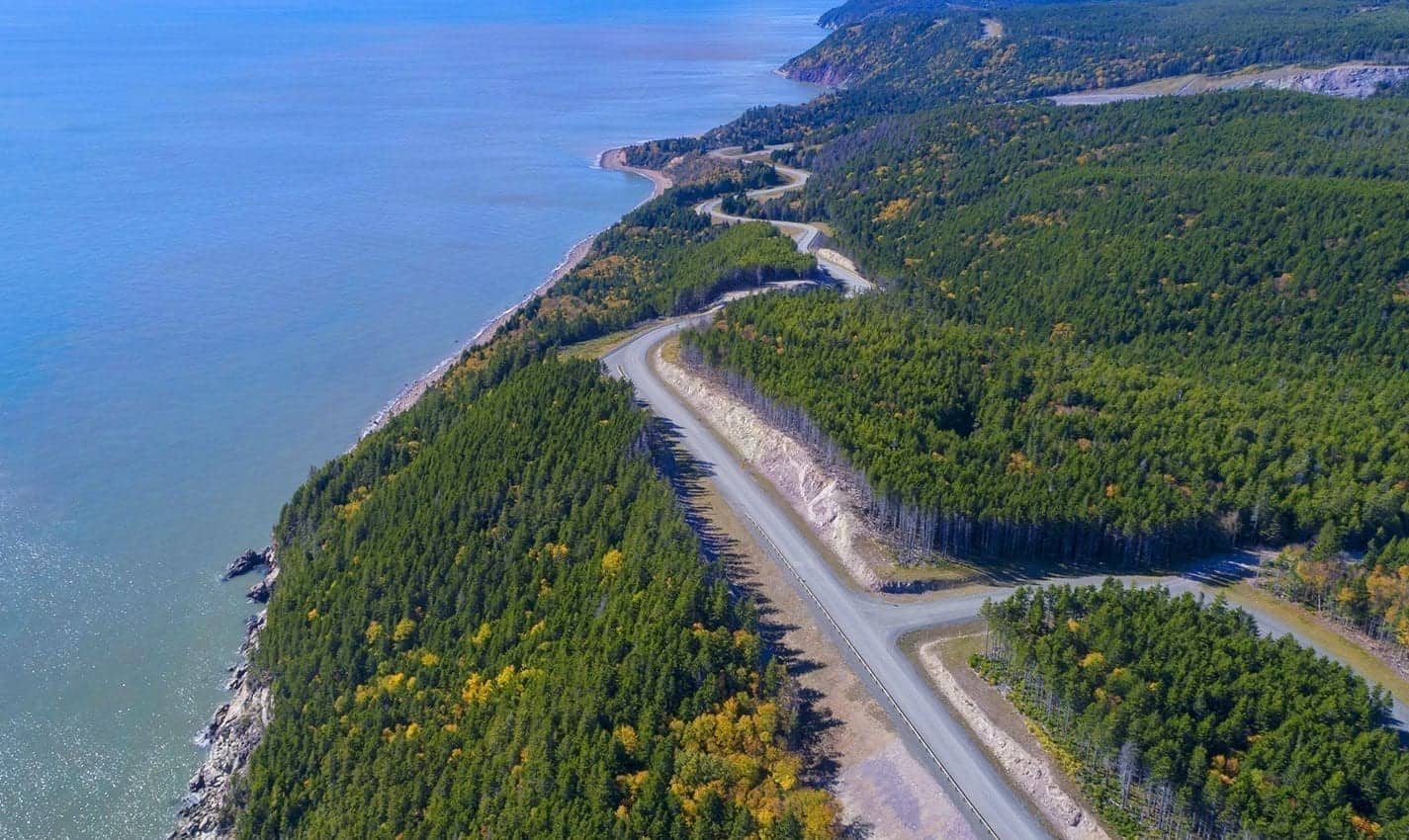
Parc national de la Jacques-Cartier
Just 40 kilometres north of Quebec City, the Jacques-Cartier valley drops abruptly into a deep glacial trough — you're driving through an ordinary boreal forest and then suddenly the road descends into a 550-metre canyon carved by a river as clear as glass. The park is managed by Sépaq, Quebec's provincial parks network, and offers excellent kayaking and canoe camping on the Jacques-Cartier River, hiking trails with canyon views, and reliably good moose sightings at dusk along the valley floor. The combination of proximity to a major city and genuine wilderness character makes it one of the most accessible backcountry experiences in the province.
Travel tips →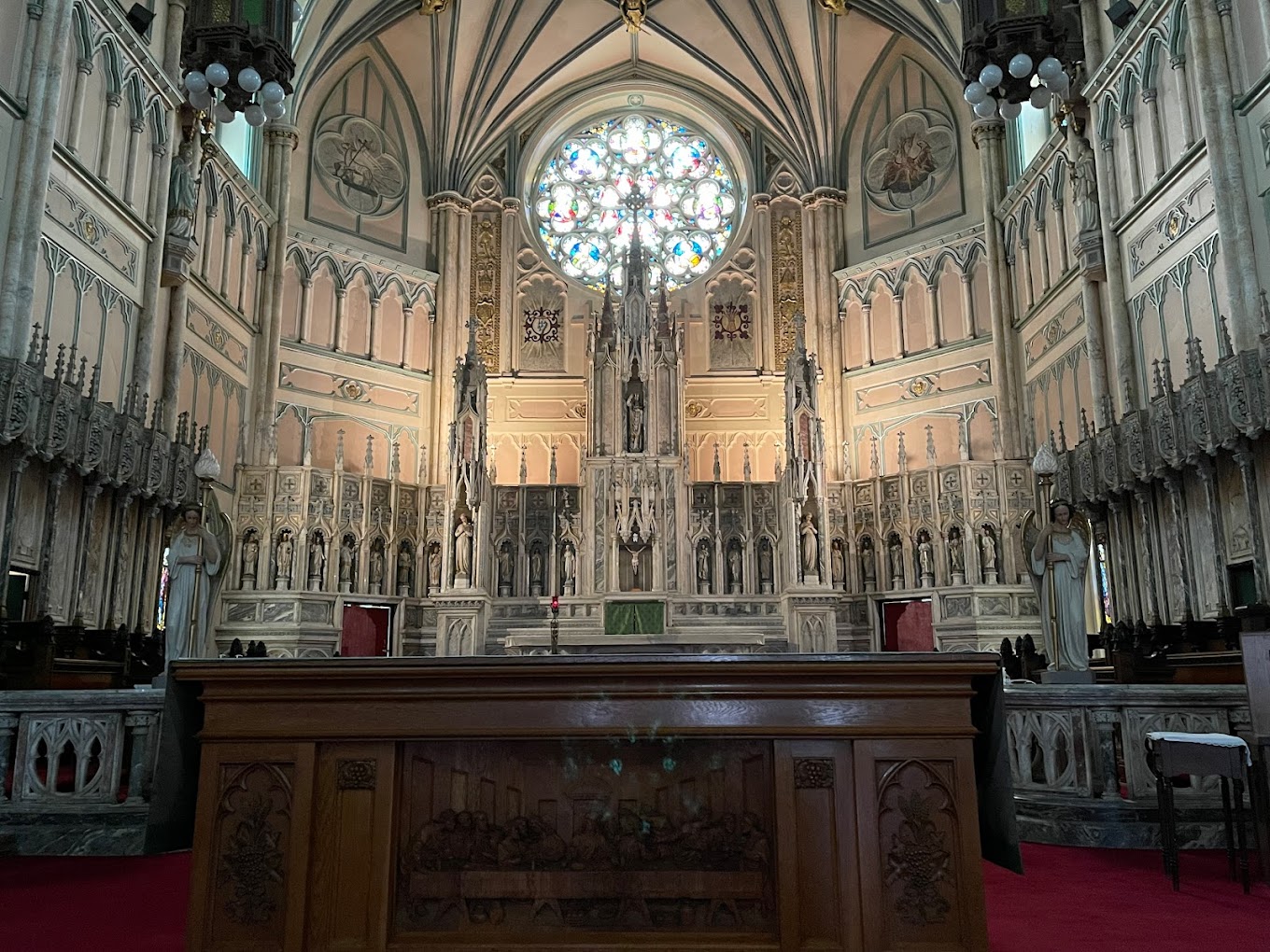
Montréal's Festival Season
No Canadian city celebrates summer with more sustained energy than Montréal. The International Jazz Festival in late June and early July is the world's largest, spreading across 11 stages with a mix of paid concerts and a massive free outdoor program that takes over the Quartier des Spectacles. Just For Laughs comedy festival runs concurrently, and Osheaga music festival at Parc Jean-Drapeau in early August draws headliners from across the genre spectrum. The city's food scene — poutine at 2 a.m. from a depanneur, smoked meat at Schwartz's, croissants from Saint-Henri bakeries — runs alongside the festivals and is a destination in itself.
Best time to visit →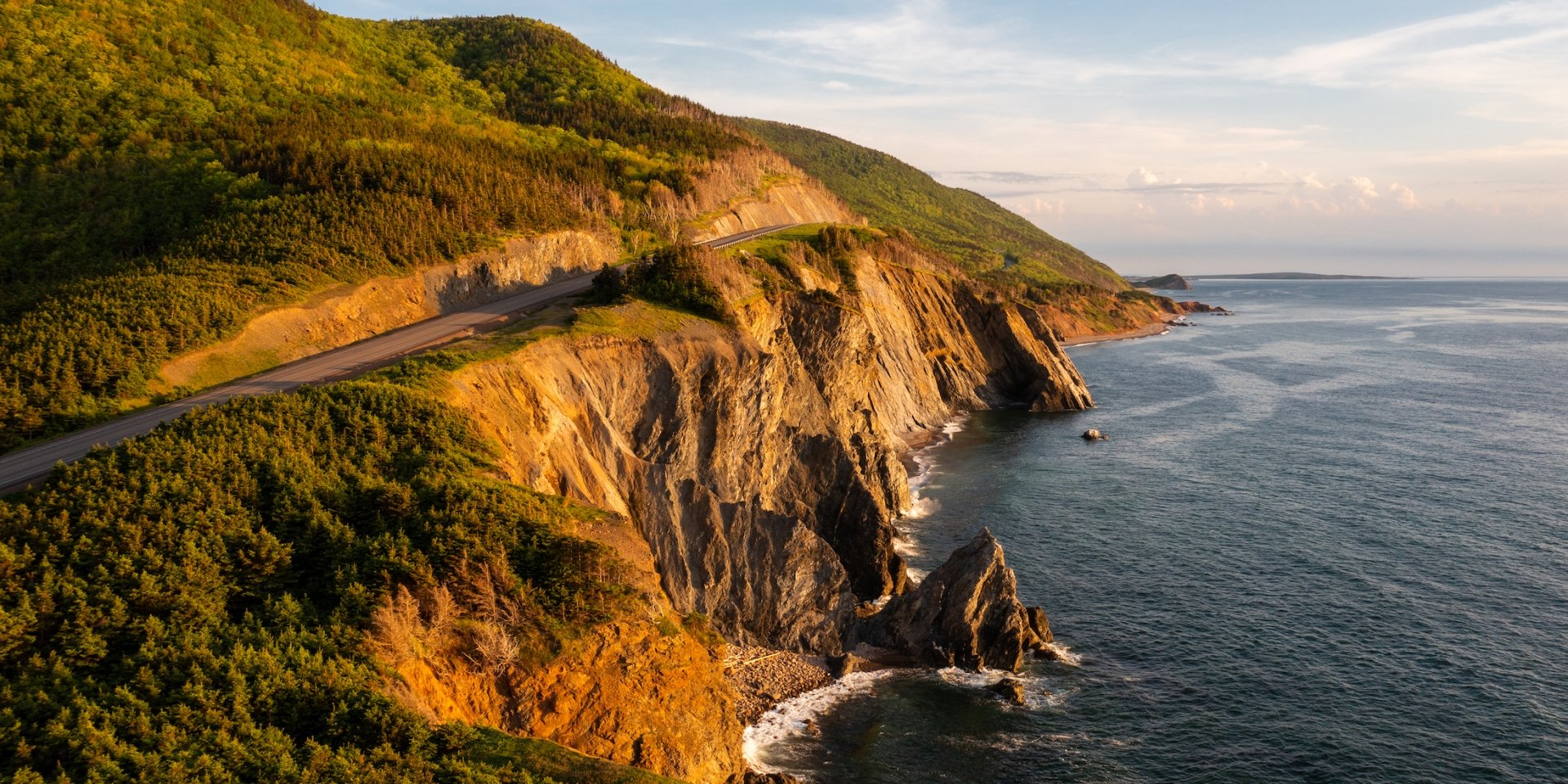
Plains of Abraham
The Plains of Abraham is where Canada's history pivoted. In 1759, the 15-minute Battle of the Plains of Abraham between British and French forces ended French colonial rule over Quebec — both commanding generals, Wolfe and Montcalm, died in the engagement. Today the plains form one of the most beautiful urban parks in the country: 108 hectares of open grassland overlooking the St. Lawrence, surrounded by the Battlefields Park that stretches along the bluffs of Quebec City. The Musée national des beaux-arts du Québec sits at one end; the fortification walls of Old Quebec border the other. It's the kind of place that is equally good for a history lesson and an afternoon run.
View itineraries →
Magdalen Islands (Îles-de-la-Madeleine)
The Magdalen Islands sit in the middle of the Gulf of St. Lawrence, 215 kilometres from the nearest point on the Quebec mainland, and they feel it — remote, wild, and completely unlike anywhere else in the province. The islands are connected by long sand dunes that hold a series of warm lagoons ideal for kayaking and kite-surfing. The red sandstone cliffs that ring much of the archipelago are extraordinary at sunset, and the local seafood — lobster, crab, scallops caught by local fishers — is as fresh as it gets. Access is by ferry from Prince Edward Island (5 hours) or by Air Canada flight from Montréal. A minimum of five days is recommended.
View itineraries →Getting to Quebec
Montréal-Trudeau International (YUL) is the main entry point with direct flights from Europe, the US, and across Canada. Quebec City Jean Lesage Airport (YQB) serves domestic and select US routes.
Quebec City is 2.5 hours from Montréal via Autoroute 20 or 40. Mont-Tremblant is 90 minutes north of Montréal. The Gaspé Peninsula road trip is a 900-kilometre circuit from Quebec City — best done over 5–7 days.
VIA Rail runs multiple daily trains between Montréal and Quebec City (3 hours). The Montréal–Toronto corridor is well-served. The Ocean train connects Montréal to Halifax through New Brunswick three times weekly.
French is the official and working language — learning even a few phrases is appreciated. Most service workers in Quebec City's tourist areas speak English, but the effort is noticed. Poutine is not a novelty here; it's a staple. Order it at a local chip stand, not a hotel restaurant.
Share Your Quebec Experience